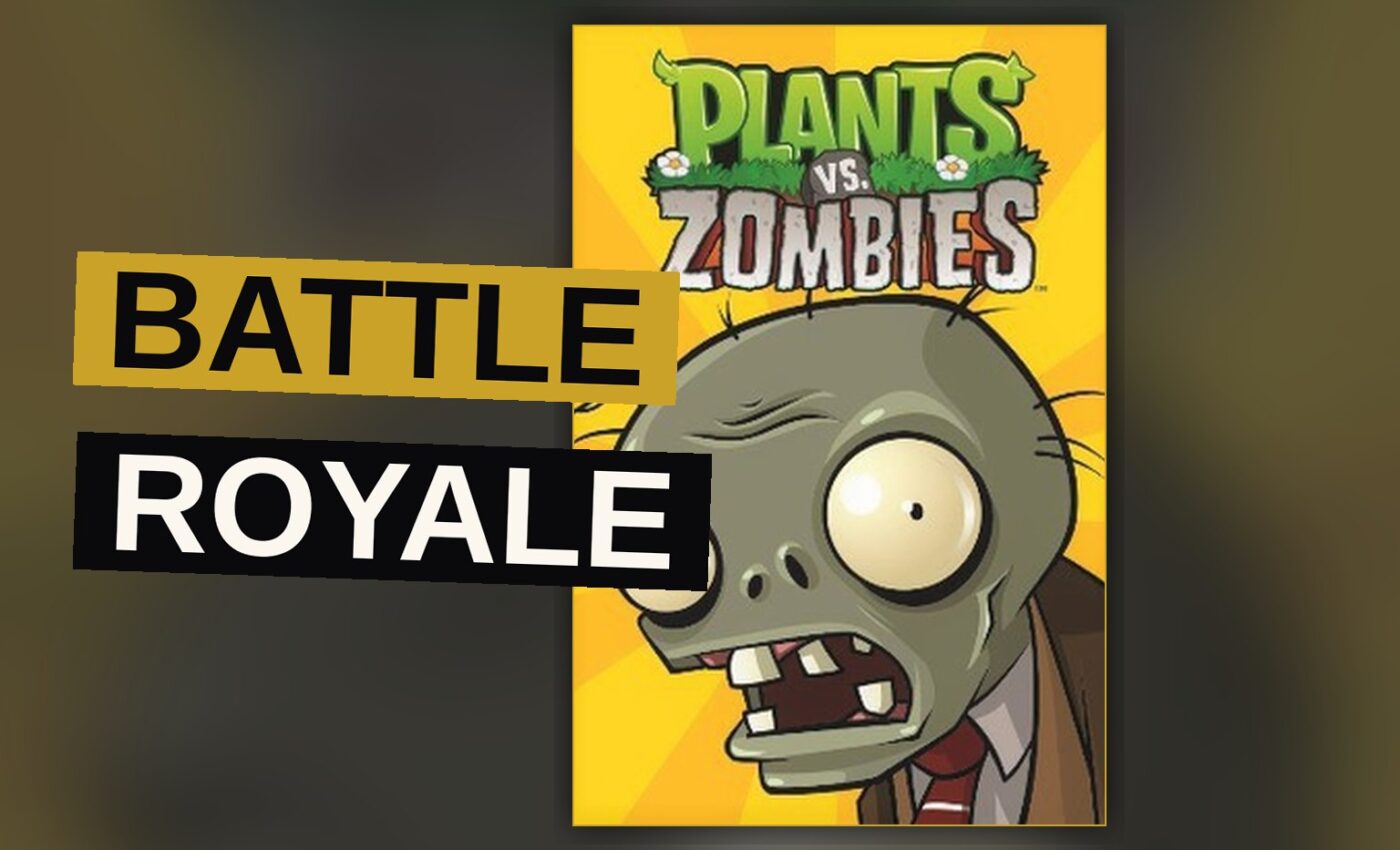
Plants vs. Zombies: Battle for Neighborville takes the classic tower defense formula and turns it into a full-fledged shooter. Players pick plants or zombies, team up, and fight across a map built for capture points and objectives. The result is a game that fans will recognize and newcomers can jump into fast, though the depth doesn’t always match the ambition.
Trailer, via Plants vs. Zombies.
The Setup
Players choose a side, then move through a map to hold or take control points. The setup is simple: plant cards fill out a deck, zombie cards do the same, and each player builds a team before the round starts. Once the fighting begins, the pace picks up fast.
Modes and Maps
Battle for Neighborville adds new modes beyond the standard capture-point fights. There’s a mode built around pushing forward, and a mode focused on holding ground. The maps themselves are small enough to learn quickly, which helps keep the chaos easy to follow even when the action gets busy.
What Works
The core loop holds up well. Plant cards offer a mix of damage, healing, and support, while zombie cards bring speed and close-range pressure. Working together with a teammate is where the game shines best, since decks can be built around each other’s strengths.
Where It Falls Short
Not every mode lands with the same weight. Some modes feel thin next to others, and the variety of cards available to each side doesn’t always balance out. Playing alone can feel less satisfying than playing with a friend, since the team-building element loses some of its draw without a partner to coordinate with.
The Numbers
| Mode | Focus |
|---|---|
| Capture Point | Hold points across the map |
| Push Mode | Move forward to take enemy territory |
| Hold Ground | Hold points to win |
Card System
The card system gives players plenty of options. Here’s how it breaks down:
- Plants get a wide range of damage types.
- Zombies get close-range cards that reward aggressive play.
- Support cards add healing and utility.
- Special cards give players extra power during fights.
Sound and Look
The look carries over the bright, cartoony style of earlier games in the series. The sound design stays faithful too, with familiar jingles and effects that set the tone. Nothing here pushes the series in a new visual direction, but that’s not necessarily a loss — the established style works.
Final Word
Plants vs. Zombies: Battle for Neighborville succeeds as a fun, accessible shooter that rewards teamwork and quick thinking. It doesn’t reinvent the genre, but it doesn’t need to. The modes are solid, the maps are easy to learn, and the card system gives players enough variety to keep sessions interesting. It falls short in a few spots, particularly when playing alone, but those issues don’t sink the whole package.
Get the Notebook.
The day's best stories and every fresh verdict, in plain English, in your inbox by seven. One email a day, no more.