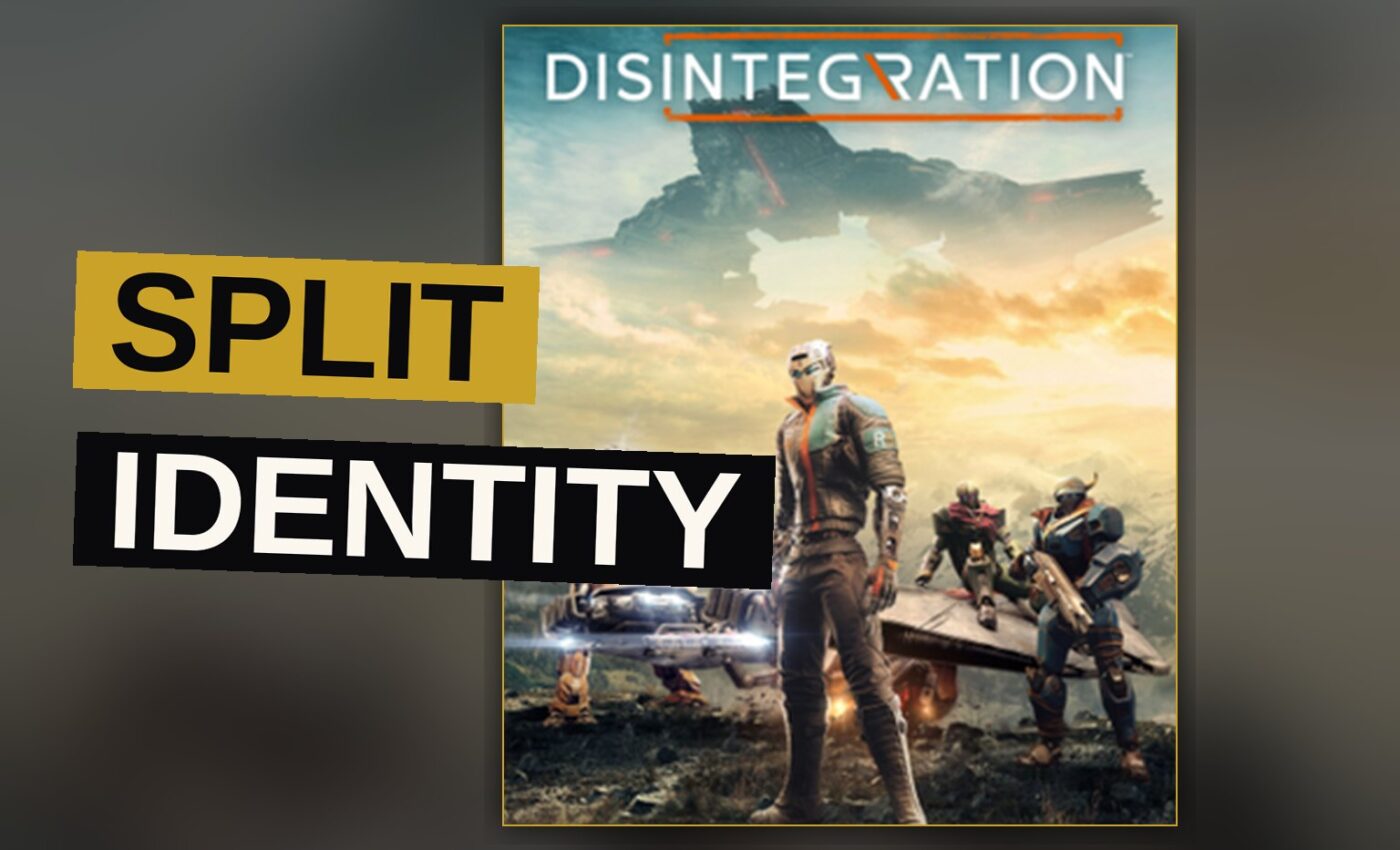
Disintegration puts you in a hovercraft, then asks you to pilot a flying gunship, then asks you to fight as a foot soldier, and it never quite settles on what it wants to be. That confusion shows in almost every part of the game.
Gunship Stage
The gunship stage is the best part of Disintegration. You fly through tight corridors, dodge enemy fire, and lay down suppressive fire on ground targets. The controls feel weighty, and the sense of momentum is strong. It is a mode that could carry a whole game on its own.
Foot Soldier Stage
The foot soldier stage is where Disintegration loses focus. You switch from the cockpit to a first-person shooter, and the change in pace is jarring. The gunplay is competent but unremarkable, and the level design often feels like a corridor with enemies placed at random intervals.
Story
The story follows Romer Shoah, a former soldier turned pilot who leads a resistance movement against an alien occupation. The writing leans on exposition, and the dialogue is thin. The game tries to build stakes around Romer’s past, but the characters are thinly drawn and the plot drags during the foot soldier stages.
Campaign
The campaign runs across several missions, each mixing gunship and ground combat. The pacing suffers because the two modes do not share the same energy. A mission that starts with a thrilling gunship assault ends with a dull grind on foot.
Multiplayer
The multiplayer offers both gunship and ground modes, letting players choose which style they want. This is a smart design choice, though the matchmaking felt inconsistent during testing. The competitive mode rewards players who master both styles, but the balance between the two is uneven.
Controls
The controls are precise when you are in the gunship, but they become awkward when you switch to the foot soldier. The transition between the two modes is abrupt, and it takes time to get used to the shift. Players who start in the gunship mode may find the ground mode frustrating by comparison.
Sound
The sound design is solid, with effective gunfire and engine hums. The music is forgettable, but it does not detract from the experience. The voice acting is adequate, though the script does not give the actors much to work with.
Split Identity
Disintegration is a game with two distinct identities, and it never fully resolves the tension between them. The gunship mode is a polished, exciting shooter, while the foot soldier mode feels like a tacked-on afterthought. Playing them back to back is a strange experience, as if two separate games were forced into one package.
“Disintegration is a split identity.”
The game’s ambition is clear. It wants to offer a full shooter experience across multiple modes, but the execution falls short. The gunship mode is a standout, but the foot soldier mode drags the entire experience down.
| Mode | Strength | Weakness |
|---|---|---|
| Gunship | Precise controls, thrilling momentum | Short campaigns |
| Ground | Competent gunplay | Awkward controls, weak storytelling |
The campaign is a mixed bag. It offers a decent amount of content, but the quality varies wildly from mission to mission. Some missions are memorable, others are forgettable.
Disintegration is a game that is greater than the sum of its parts. Its gunship mode is excellent, and its multiplayer is solid. But the foot soldier mode and the story hold it back from greatness.