Pokemon Snap put players behind a camera, not in a battle. Made for the Nintendo 64, it asked players of the series to point and take pictures instead of throwing a ball to catch a creature, and that small change altered how a Pokemon game could feel.
The Automated Journey
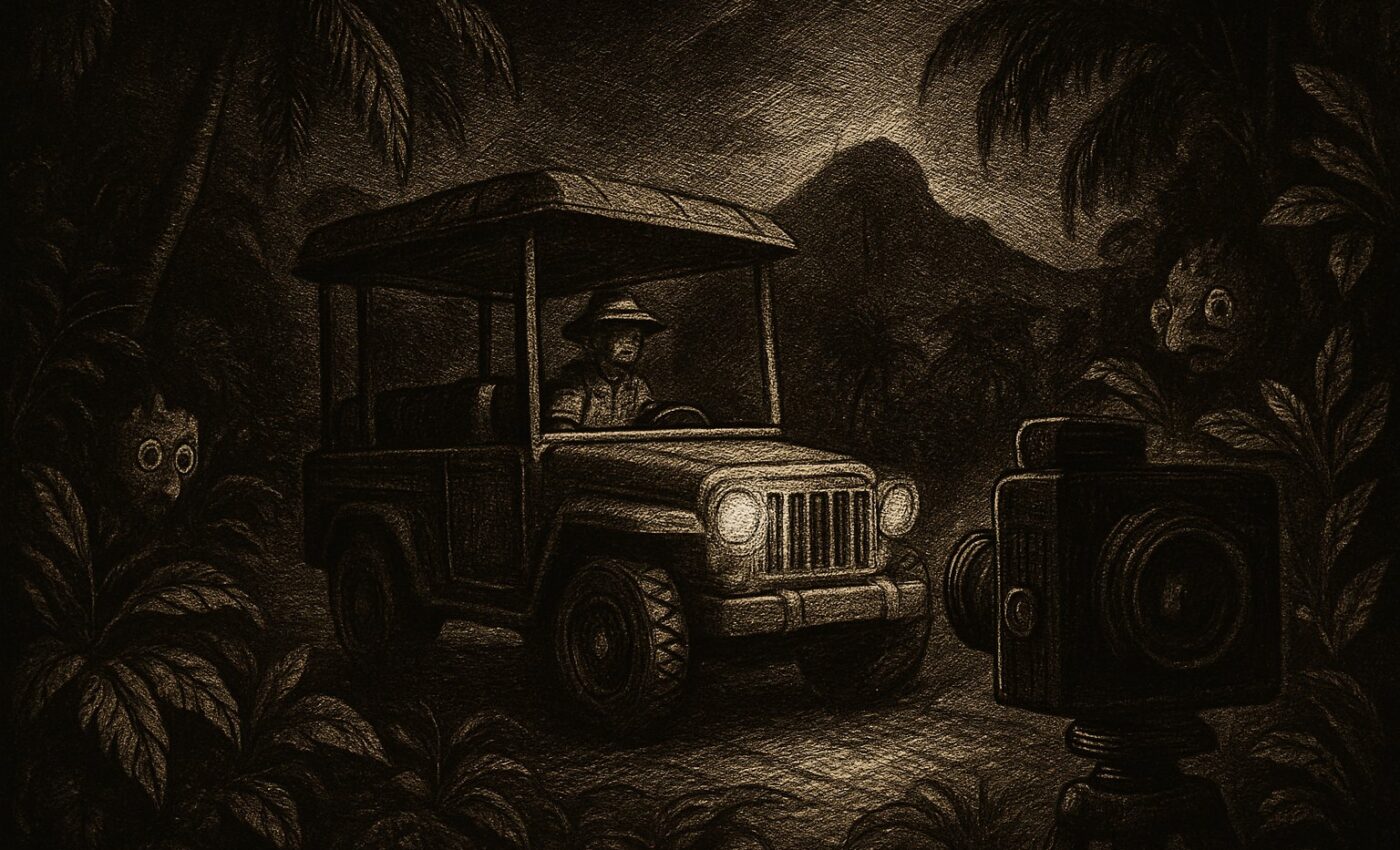
The player moves through six island stages inside a vehicle that travels forward on its own, camera in hand, taking pictures of Pokemon in their natural setting. There is no walking, no free motion, no battling. The vehicle keeps a fixed pace, and the challenge comes from timing, position, and the use of items to draw out a better picture.
Apples can be thrown to draw a Pokemon closer. A small ball can be thrown to startle a creature into action, forcing it to move, turn, or react. Music, played at the right moment, can change an entire scene, turning a quiet part of a stage into something worth a second pass.
Scoring The Shot
Each roll of film is judged once the run ends, with points given for pose, size, and the way a Pokemon fills the frame. That scoring system gives the format more depth than its short length might suggest. A strong picture of a rare pose can count for more than a shot packed with common Pokemon.
The result rewards going back again and again. Repeated runs through the same stage reveal new paths to a better picture, new combinations of items, new windows of timing. That return is brief on paper but wide in practice, since the same six stages contain far more than a single trip can show.
The game is short in length. Six stages is not much ground, and once the best pictures of each Pokemon are taken, there is little reason to return beyond chasing a higher score. Some stages also feel thinner than others on repeated visits, offering fewer surprises the second or third time through.
The absence of any real story beyond a simple setup leaves the game feeling more like a toy than a full adventure. For players used to the format of the main Pokemon games, that can take some getting used to.
A short, strange trip that turned watching Pokemon into a game all its own.
A Different Kind Of Pokemon Game
What Pokemon Snap gets right is its tone. The islands feel alive, with Pokemon acting like animals rather than fighters, and that alone made it stand apart on the Nintendo 64. It asks less for skill and more for patience, attention, and a bit of luck with timing.
The controls stay simple by design. Motion is limited, the camera does the rest, and that simplicity is part of the appeal. It never asks for quick hands beyond pressing the button at the right second.
Key numbers:
– Platform: Nintendo 64
– Genre: Automated photography
– Stages: Six island levels
– Scoring: Based on pose, size, and how a Pokemon fills the frame
– Critical score: 7.7 of 10
Pokemon Snap remains a small, focused idea. It does not try to be a full adventure, and it does not need to be one. What it offers instead is a short, lasting trip through a Pokemon world built for looking rather than fighting, and that idea alone has kept it worth returning to.