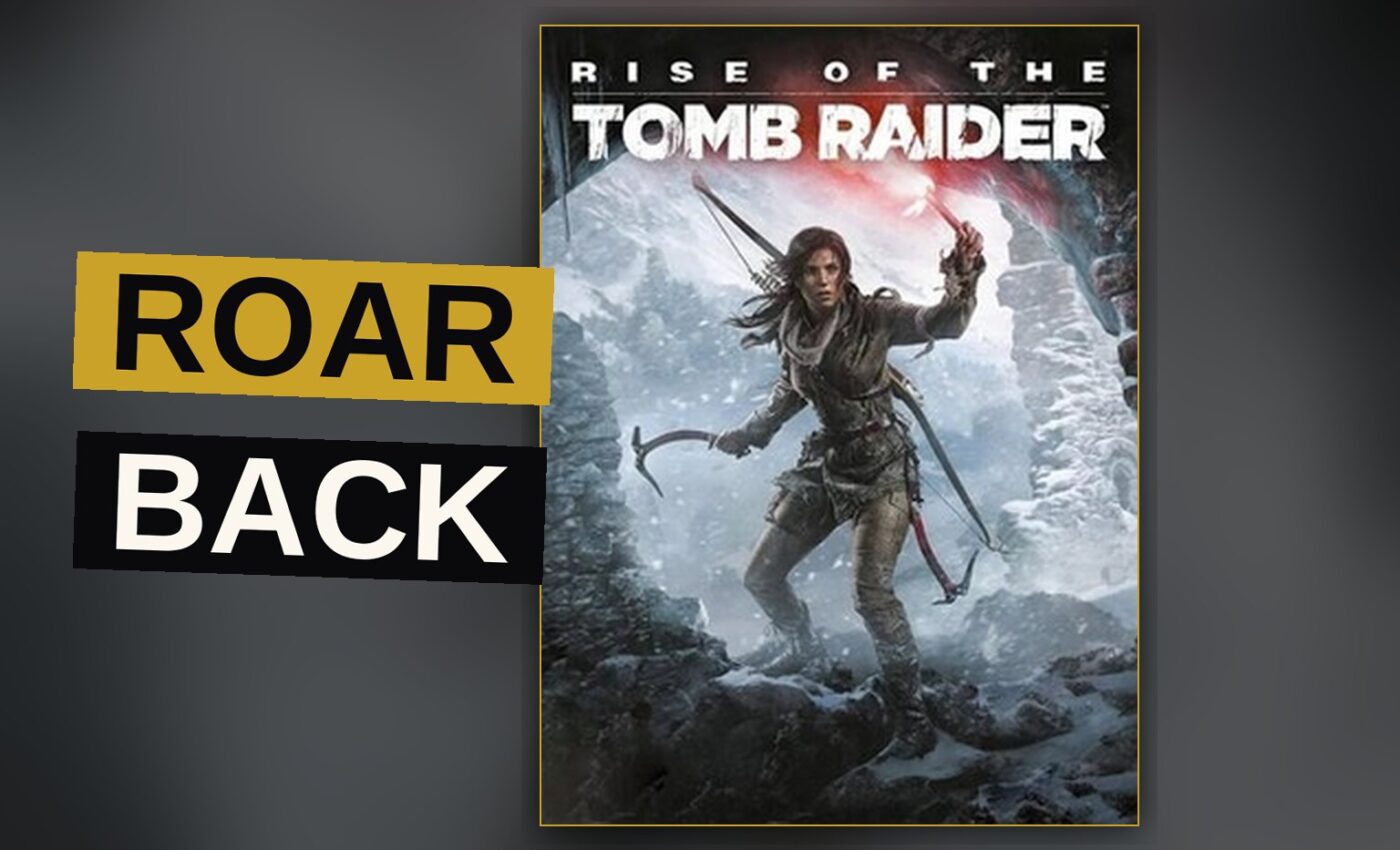
Rise of the Tomb Raider puts Lara Croft back in the field, and she moves faster than ever. Square Enix and Crystal Dynamics built a game that asks players to climb, fight and explore across harsh terrain, and mostly it delivers. The story is thin in spots, but the sense of place and the pure craft of movement carry the weight.
Trailer, via IGDBcom.
The Setting
The game opens in Siberia, where a frozen wilderness gives way to a warm jungle. That shift in climate is more than a gimmick — it shapes how players move through each area. Snow drifts force stealth; rain forces speed. The change of season is the game’s clearest strength, giving the world a reason to look different from one hour to the next.
Lara’s New Moves
Lara can now sprint, slide down hills, and climb walls with a grappling hook. These additions don’t just make her feel quicker. They open up new paths through levels that were once closed off. Players who take the time to learn the full move set will find shortcuts that reward curiosity.
The climbing system is the standout. Walls, ledges and vines that once required patience now answer to a single button press. It makes the world feel less like a series of puzzles and more like a place worth wandering.
Combat and Stealth
Combat is the game’s weakest link. Enemies react slowly to gunfire and rarely flank. The best fights come when players use terrain and traps to gain the upper hand, but the enemy AI never quite matches that effort. Melee combat feels heavy and satisfying, and the bow offers real skill checks when aimed at distance. Gunfights, though, tend to devolve into cover-shots-and-move sequences that feel dated next to other shooters.
Stealth performs better. Lara can hide behind bushes, use smoke bombs, and lay traps to take out groups quietly. The game rewards patience here far more than anywhere else, and the best moments come when a player approaches a camp alone and clears it without a single alarm.
The Story
The plot follows Lara’s search for a lost city that holds a powerful artifact. Along the way, she finds a cult, a rival explorer, and a growing sense of purpose. None of it reaches the heights of its predecessor, but the pacing holds together. Cutscenes land their emotional beats, even if the dialogue doesn’t always sell them.
The ending leaves room for a sequel, which is a mixed blessing. It closes the main story cleanly, but it also sets up a cliffhanger that some players may find unsatisfying.
Performance Across Platforms
Rise of the Tomb Raider ran on PC, PS4, Xbox One, Linux, and later on Stadia and PSVR. Performance varies across those systems. On PC, the frame rate stays steady even during busy fights. On consoles, occasional drops happen during large battles. The VR version, while a novelty, doesn’t hold up against the full experience.
The Linux version struggled more than any other, with frame drops and input lag that kept it from feeling complete. The Stadia version ran smoothly in tests, though it required a fast internet connection to keep pace with the action.
Difficulty and Length
The game offers several difficulty settings, from easy to a brutal mode that punishes careless play. Most players will find the default setting comfortable, but the harder modes add real tension to encounters that felt routine at lower levels.
The campaign runs about fifteen hours, depending on exploration. Side quests and collectibles extend that length for players who want to see everything.
The Craft of Exploration
The best parts of Rise of the Tomb Raider are the quiet ones. Base camps, hidden tombs, and side paths reward players who slow down and look around. Each area hides a small puzzle or a shortcut, and finding them feels like a genuine discovery rather than a chore.
The sound design supports this. Footsteps on snow, the hum of distant machinery, and the crack of a distant shot all give the world a sense of scale that few games match.
The Final Word
Rise of the Tomb Raider isn’t a perfect game, but it’s a confident one. Its strengths — movement, setting, and exploration — outweigh its weaknesses. The combat could have been sharper, and the story could have been deeper, but neither flaw breaks the whole.
“It’s a confident game that knows what it wants to be.”
That line captures the spirit of the work. It’s a game about motion, about moving through a changing world, and it executes that idea with real skill.
Key Facts
- Title: Rise of the Tomb Raider
- Developer: Crystal Dynamics
- Publisher: Square Enix
- Platforms: PC, PS4, Xbox One, Linux, Stadia, PSVR
- Release: 2015
- Critical score: 8.7/10
Get the Notebook.
The day's best stories and every fresh verdict, in plain English, in your inbox by seven. One email a day, no more.