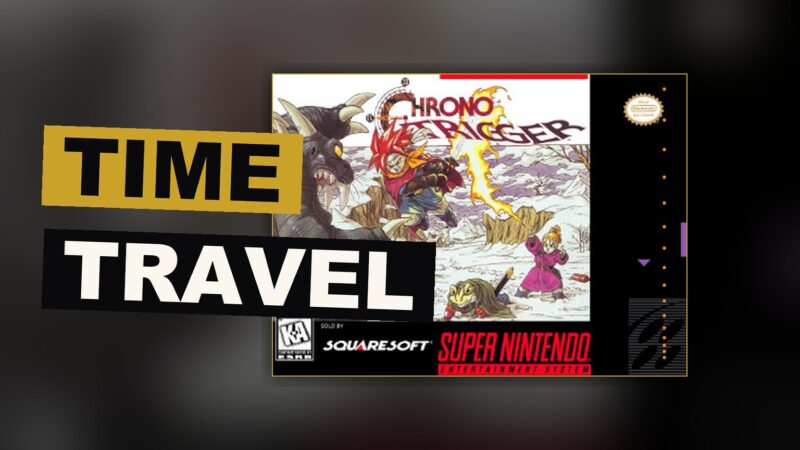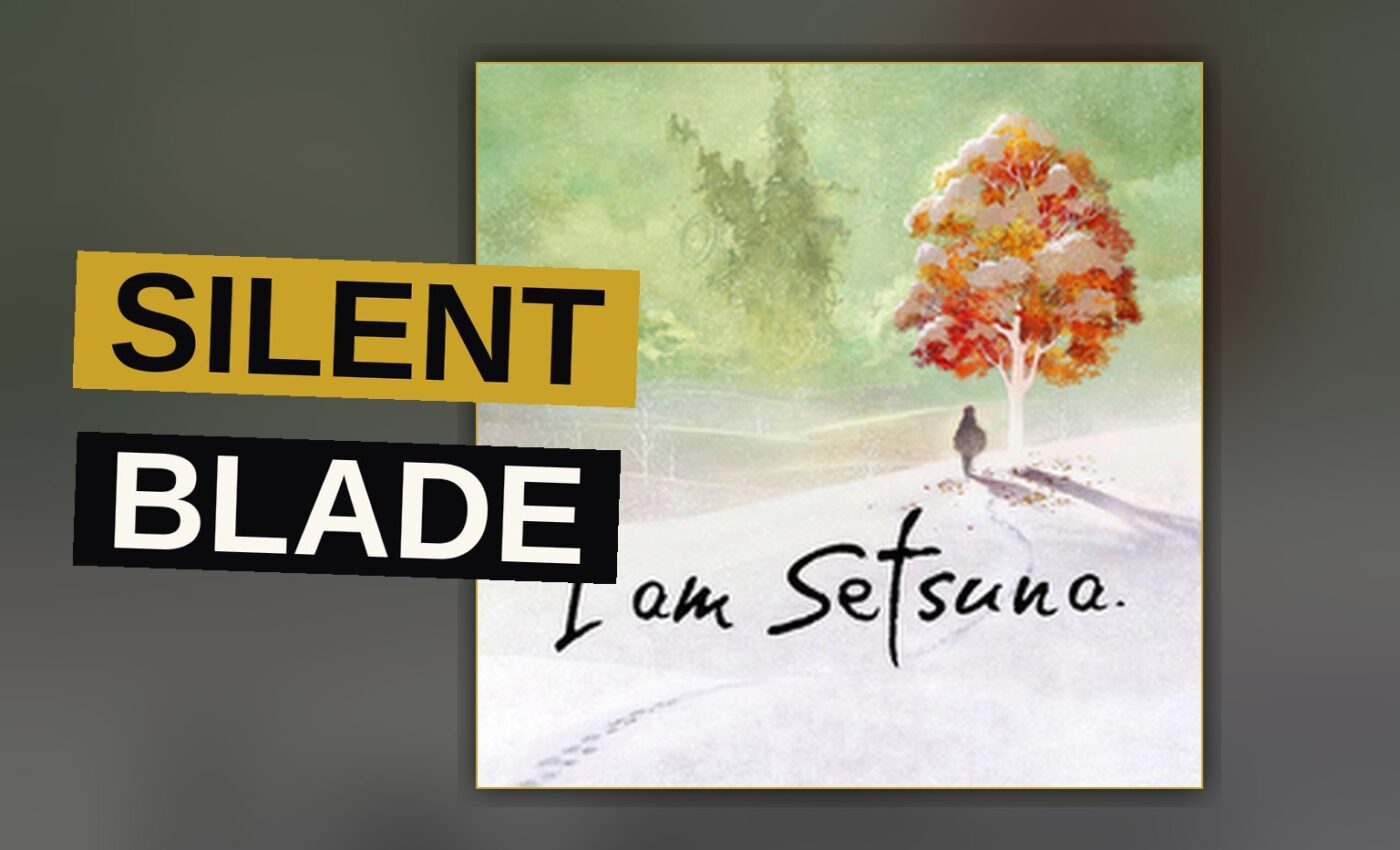
Square Enix’s I Am Setsuna hands the classic role-playing game a fresh coat of snow. Tokyo RPG Factory built its debut around the Active Time Battle system of Chrono Trigger, then wrapped it in a world where sacrifice is custom and grief is weather. The result is a game that knows exactly what it wants to be — and mostly is it.
Trailer, via Square Enix.
Endir, Setsuna, and the Road to the Last Lands
You play as Endir, a silent mercenary hired to kill Setsuna, the young woman chosen as the next sacrifice. She talks him into guarding her instead. Her childhood friend Aeterna joins them. So do Nidr, the guard of the previous sacrifice and Setsuna’s illegitimate father; Kir, from a magically gifted tribe whose members die young; and Julienne, descended from the kingdom that once held the Last Lands.
The party travels a snow-bound world toward the ceremony. A figure called the Reaper keeps attacking, driven by a power that wants Setsuna dead. He dies when they reach the Last Lands.
The story turns at the heart of that place. The Time Judge reveals the sacrifices keep a barrier around the Dark Samsara — once a magically gifted boy, experimented on a millennium ago by Julienne’s ancestors when magic was dying out, now a being of pure rage who birthed the monsters. Aeterna, it turns out, is a clone who can act beyond the Last Lands. And Setsuna’s mother, the previous sacrifice, told the Time Judge her daughter might be the one to defeat the Dark Samsara. Every time Setsuna went through with the sacrifice instead, the Time Judge rewound time and ran the cycle again.
That is a lot of story, and I Am Setsuna tells it quietly. The snow never stops. The piano never stops either — Tomoki Miyoshi wrote the score, Randy Kerber played it, and the instrument carries more of the game’s sadness than any line of dialogue.
A Gauge, a Talisman, and a Moment
Combat runs on a version of Active Time Battle. Every action drains a character’s gauge, and it has to refill before that character acts again. If several gauges are full at once, the party acts in the order you issue commands. You can attack, use Techs — the game’s catch-all for combat abilities and magic — or burn an item.
Talismans hold interchangeable Spritnite crystals, which unlock Techs. Some Techs combine into Double Techs, and the menu switches from “Techs” to “Combo” when one is ready. A separate Setsuna gauge fills whenever a character acts or leaves a gauge full. Fill it and you get a Moment.
Enemies appear on the field as icons. Touch one and the fight starts right there, in the same environment, no separate arena. Health and magic run on HP and MP. Towns sell potions and escape stones, and villagers fill in plot. Side quests unlock once every playable character is recruited, and only trigger if that character is in the current party.
What Tokyo RPG Factory Shipped, and When
The studio started I Am Setsuna in 2014 on a short schedule. It went to PlayStation 4, PlayStation Vita and PC on Windows in 2016. The Switch version followed in 2017 as a launch title for that console. The Vita release was never localized, a decision tied to the platform’s weak market presence.
| Release | Platform |
|---|---|
| 2016 | PlayStation 4 |
| 2016 | PC (Microsoft Windows) |
| 2016 | PlayStation Vita |
| 2017 | Nintendo Switch (launch title) |
The order matters less than the split: the game found its widest audience on the platforms that got it, and skipped one that didn’t.
Where the Snow Gets Thin
The complaints against I Am Setsuna are real and they are consistent. The aesthetic variety is thin — snow, more snow, and the occasional dungeon. The difficulty is low, and a battle system this carefully assembled deserves fights that test it. Double Techs and the Setsuna gauge are good ideas that rarely get pushed.
The good news is what holds up. The combat has weight. The atmosphere is unified in a way few role-playing games manage, because the game picked one visual idea and committed. The soundtrack is the best thing in it.
There is also the matter of what Tokyo RPG Factory was for. Square Enix built the studio to make games like this, and I Am Setsuna was the proof it could. Lost Sphear followed in 2017 and Oninaki in 2019. The studio closed in 2024.
The Verdict on I Am Setsuna
Ranking what I Am Setsuna does well, in order:
- The soundtrack — Miyoshi’s compositions, Kerber’s piano, the cleanest expression of the game’s sadness.
- The battle system — ATB, Techs, Double Techs and the Setsuna gauge form a real system, underused but sound.
- The atmosphere — one visual theme, held without wavering.
- The story — ambitious in its back half, slow to arrive there.
- Difficulty and variety — the two places the game gives up ground.
The Time Judge’s loop is the most interesting thing here, and the game does not lean on it hard enough. A story about a cycle of sacrifice that rewinds every time it fails should feel heavier than this. Instead it lands as a good idea in a game that mostly executes.
I Am Setsuna is a nostalgia project that earns the label without being only that. It is short, it is sad, it plays well, and it does not overstay. The flaws are the flaws of a first project from a studio still finding its footing. They are also the flaws of a game that could have been sharper with another year.
For anyone who misses Chrono Trigger and wants something that understands why, this is the one to play. For everyone else, it is a well-made, slightly too easy role-playing game with a piano score worth the trip.
Get the Notebook.
The day's best stories and every fresh verdict, in plain English, in your inbox by seven. One email a day, no more.