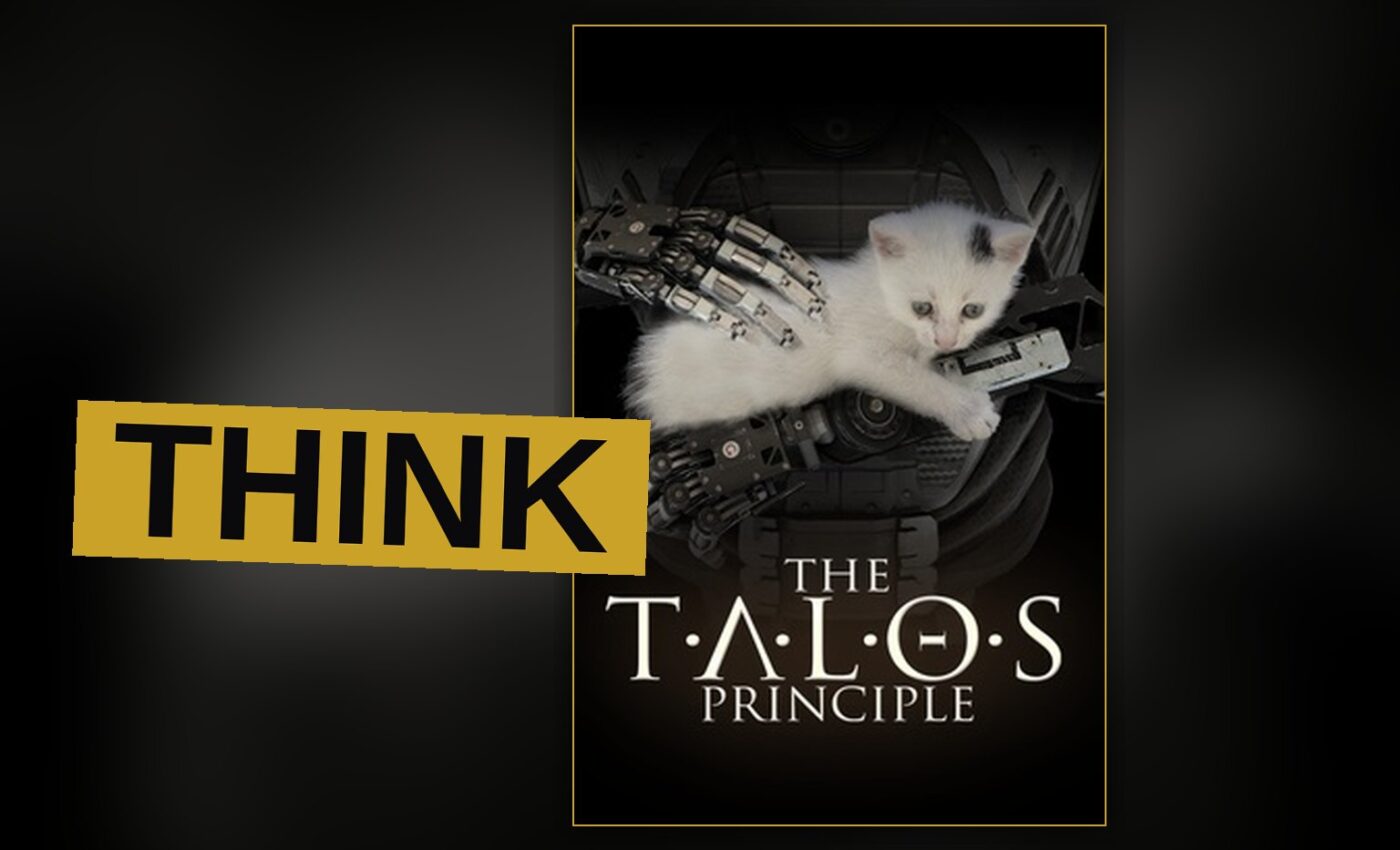
The Talos Principle asks a simple question: what does it mean to be human? It answers that question through a puzzle game that looks like a sci-fi museum, wrapped in a story about artificial intelligence, religion, and the nature of reality itself. It is a game about thinking, and it expects you to think while you play.
Trailer, via DevolverDigital.
The World of Talos
The game drops you into a sprawling, ancient-looking ruin called the Garden. It is a maze of stone chambers, glass walkways, and strange machines. The world is not hostile, but it is full of puzzles that require you to use logic, physics, and sometimes a bit of imagination. The setting is beautiful, with light filtering through stained glass and water reflecting the sky. It feels like a place built by gods, not by humans.
The Logic Puzzles
The core of The Talos Principle is the logic puzzle. Each chamber contains a problem: a ball that needs to be pushed, a lever that needs to be pulled, a door that needs to be opened. The solutions are often elegant and require you to see connections that are not obvious at first glance. The game introduces new tools slowly, giving you just enough to solve the current puzzle before adding another layer of complexity.
The difficulty curve is gentle at first, then steepens sharply. Some puzzles demand you return to earlier areas and try again with new knowledge. This can be frustrating, but the satisfaction of solving a tough problem is enormous.
The Philosophical Questions
The game is not just a series of puzzles. It is also a philosophical inquiry dressed up as a video game. Through monologues, letters, and interactive terminals, the game raises questions about consciousness, morality, and the meaning of existence. These conversations are not lectures; they are presented as dialogue between characters who disagree with each other.
The central question is whether a machine that behaves like a human is truly alive. The game does not answer this question directly. Instead, it forces you to consider the implications of your own actions within the game’s constructed world.
The Writing
The writing is the game’s strongest asset. The characters are smart, funny, and deeply flawed. They argue, they joke, and they occasionally break the fourth wall by talking about the game you are playing. This meta-commentary is not a gimmick; it is woven into the fabric of the story, making the world feel larger than it is.
The voice acting is excellent, especially for a game of this scale. The performances sell the emotional weight of the narrative, even when the plot takes a dark turn.
The Technical Craft
The Talos Principle runs on multiple platforms, including PS4, Linux, Android, and PC. On PC, the game supports VR, which changes the experience dramatically. In VR, the world feels closer, and the puzzles become more immersive. The non-VR version is still sharp, but the sense of scale is diminished.
The game is demanding of your attention. You will need to rotate your camera, zoom in on small details, and keep track of multiple objectives at once. The interface is clean, and the controls are precise, but the sheer amount of information on screen can be overwhelming.
The Length
The Talos Principle is not a short game. A completionist run, including all optional puzzles and collectibles, can easily top forty hours. The main campaign is shorter, but the game encourages exploration and experimentation. There are side quests, hidden terminals, and bonus puzzles that reward curiosity.
The game is structured in chapters, each with its own theme and set of challenges. The pacing holds up well, though some sections drag due to repeated mechanics. The final act delivers a payoff that justifies the journey, but it arrives after a long climb.
The Sound Design
The music in The Talos Principle is sparse but effective. It uses a mix of ambient tones and classical instruments to create a sense of wonder and unease. The sound effects are minimal, which allows the environment to breathe. The game’s silence is intentional, and it works.
There is a moment near the end where the music swells, and it is genuinely moving. The game earns that emotion through its patient storytelling, not through cheap tricks.
The Verdict
The Talos Principle is a remarkable achievement. It combines deep, thoughtful puzzles with a story that respects the player’s intelligence. It is not an easy game, and it is not for everyone. Those who want quick action or simple fun will find it frustrating. Those who enjoy thinking will find it rewarding.
The game’s flaws are minor. The difficulty spikes can be off-putting, and the VR support is limited. But these are small complaints against a game that asks big questions and delivers them with style.
“What is the purpose of existence?”
That is the question the game poses, and it is a question that stays with you long after you finish playing. The Talos Principle is a rare game that treats its audience as equals, not as consumers. It is a game about ideas, and it is a damn good one.
| Element | Detail |
|---|---|
| Platforms | PS4, Linux, Android, PC |
| Optional content (completionist run) | ~40 hours |
| Structure | Chapters, each with theme and challenges |
| Final score | 8.7/10 |