Donkey Kong Country 3: Dixie Kong’s Double Trouble! arrived in 1996 with a new hero and a familiar problem. Donkey Kong and Diddy Kong are gone. That leaves Dixie Kong to carry a Super Nintendo Entertainment System platformer that Rare built and Nintendo published. The result is a sequel that swaps one half of its famous pair for a baby cousin.
Dixie Kong Heads for the Northern Kremisphere
The setup is simple. Months after the Kongs’ second win over the Kremling Krew, Donkey Kong and Diddy Kong vanish. A letter from Diddy says they went out exploring the island again.
Days pass. Dixie decides something is wrong and heads for the southern shores of Donkey Kong Island, into the Northern Kremisphere. The source describes that landmass as Canadian and northern European in inspiration. There she meets Wrinkly Kong, who confirms the missing Kongs passed through. At Funky’s Rentals, Funky tells her to bring her baby cousin Kiddy Kong. He lends them a boat, and the two set off.
Kiddy Kong Is the Whole Idea
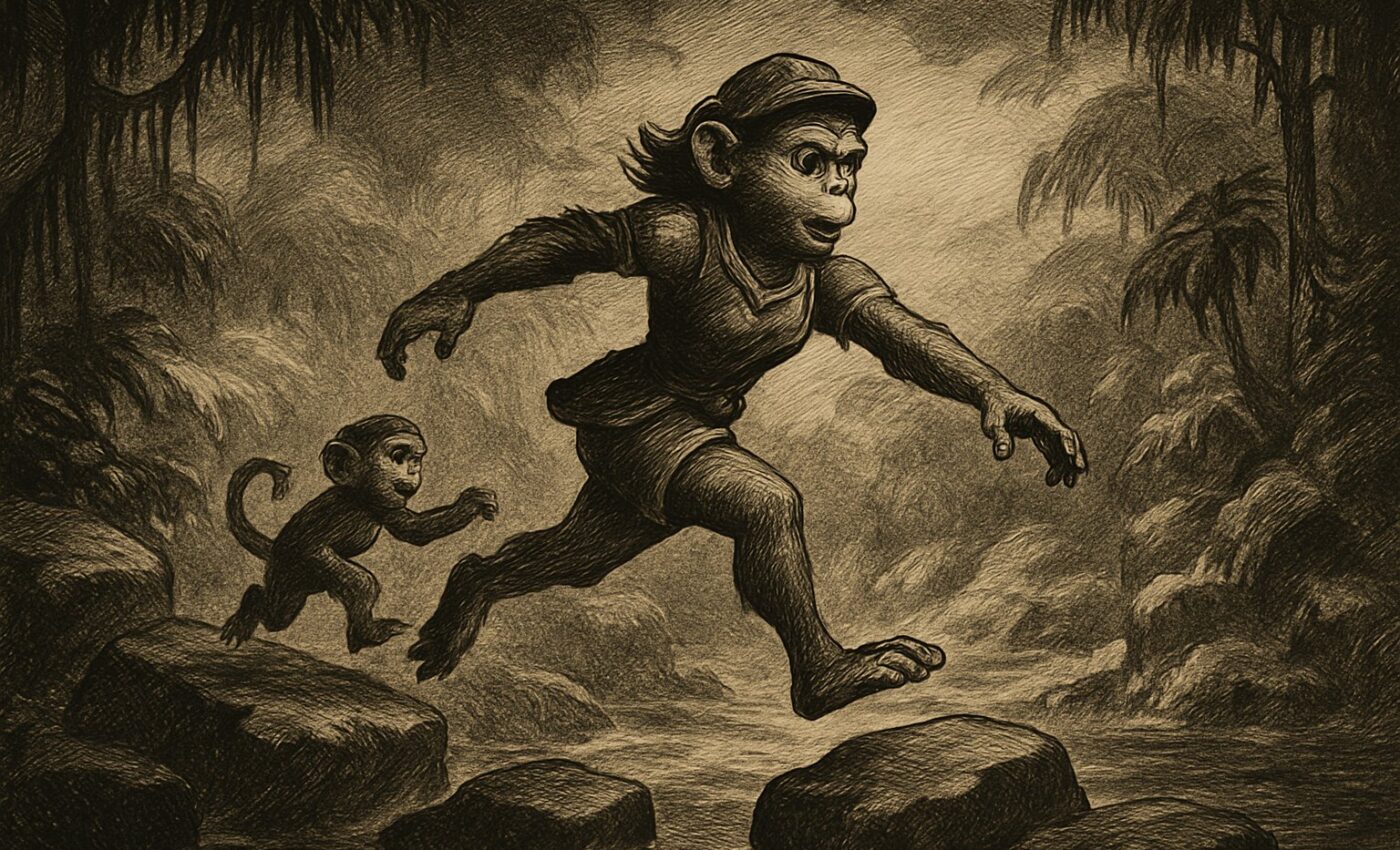
Kiddy Kong is a portly primate toddler with incredible power and agility. That is the pitch, and it is the mechanic. The two Kongs throw each other into action, combining their abilities to move through the world.
The mode list backs it up: single player and multiplayer. The perspective stays side view. The genre stays platform. Themes stay action.
What the Northern Kremisphere Adds
The setting is where this entry stands apart. The Northern Kremisphere gives the game a different map from the tropical island the first two entries leaned on.
The collectibles are still the spine. Players collect treasure, grab bananas, and find more secret stuff than the series had offered before. The source promises the greatest DKC adventure yet.
- Super Nintendo Entertainment System
- Wii
- Wii U
- New Nintendo 3DS
- Super Famicom
The Final Showdown with KAOS
The last fight against KAOS takes place in a cliff-top laboratory at the End of the World. That is the game’s closing image. A laboratory on a cliff, at the edge of the map, is a memorable finish.
The source warns it could get seriously ugly. It does not describe the fight itself, so there is no point pretending to know how it plays out. What matters is the choice of arena. A last boss needs a place, not just a health bar.
The Score and the Hard Numbers
- Published critical score: 8.0/10 (IMDb)
- Release year: 1996
- Developer: Rare
- Publishers: Nintendo, Gradiente, Playtronic, Hyundai
- Genres: Platform
Where the Sequel Stands
An 8.0 out of 10 is a solid landing spot. Donkey Kong Country 3: Dixie Kong’s Double Trouble! takes the safest possible risk: remove the star, promote the supporting player, hand her a toddler with power and agility, and let the throwing mechanic do the talking.
The mode list is worth noting. A platformer that offers single player and multiplayer gives players a choice the earlier entries did not spell out the same way. Whether that choice changes how the game plays is not something the source describes.
The platform list is long. Super Nintendo Entertainment System, Wii, Wii U, New Nintendo 3DS, Super Famicom. That is five platforms, and the list includes the original console alongside the later ones. The source does not say how or why the game reached each of them.
Kiddy Kong is a toddler, and the game builds its central mechanic around him. Dixie is the one who notices the silence, who goes to Wrinkly, who takes the boat. The game gives her the lead and pairs her with a baby for the search. That is the design choice at the center of this entry.
What Rare Got Right
The throwing mechanic is the whole game in one move. Dixie and Kiddy cannot do the job alone, and the design makes that literal rather than thematic. One Kong throws the other, and the other returns the favor.
That is why the sequel holds up as a piece of design. It is the entry that hands the lead to Dixie and builds its core move around two characters instead of one. Score: 8 of 10.
Get the Notebook.
The day's best stories and every fresh verdict, in plain English, in your inbox by seven. One email a day, no more.