Trials of Mana rebuilds a game most of the world never got to play. The original Seiken Densetsu 3 shipped in Japan in 1995 and stayed there. Square Enix’s 2020 remake, developed by Creative Business Unit IV with Xeen, finally put it in front of everyone — on Xbox Series X|S, PlayStation 4, Nintendo Switch, PC, Android and iOS.
It was worth the wait. This is a confident, generous remake of an action RPG that deserved better than years of obscurity, and it holds up as one of the better games in the Mana line.
Six heroes, three slots, one Sword of Mana
Trials of Mana opens on a world where Mana has been fading. When darkness covered the world, the Goddess of Mana drew the Sword of Mana and struck down the eight Benevodons, the monsters of destruction. She sealed them inside the eight Mana Stones and pulled the realm back from the brink.
Rebuilding the world left her weak. She turned herself into a tree and slept for years. Then the forces of evil moved to free the Benevodons and take the world for themselves, starting a war to destabilize the kingdoms. Mana began to vanish, and the Mana Tree started to wither.
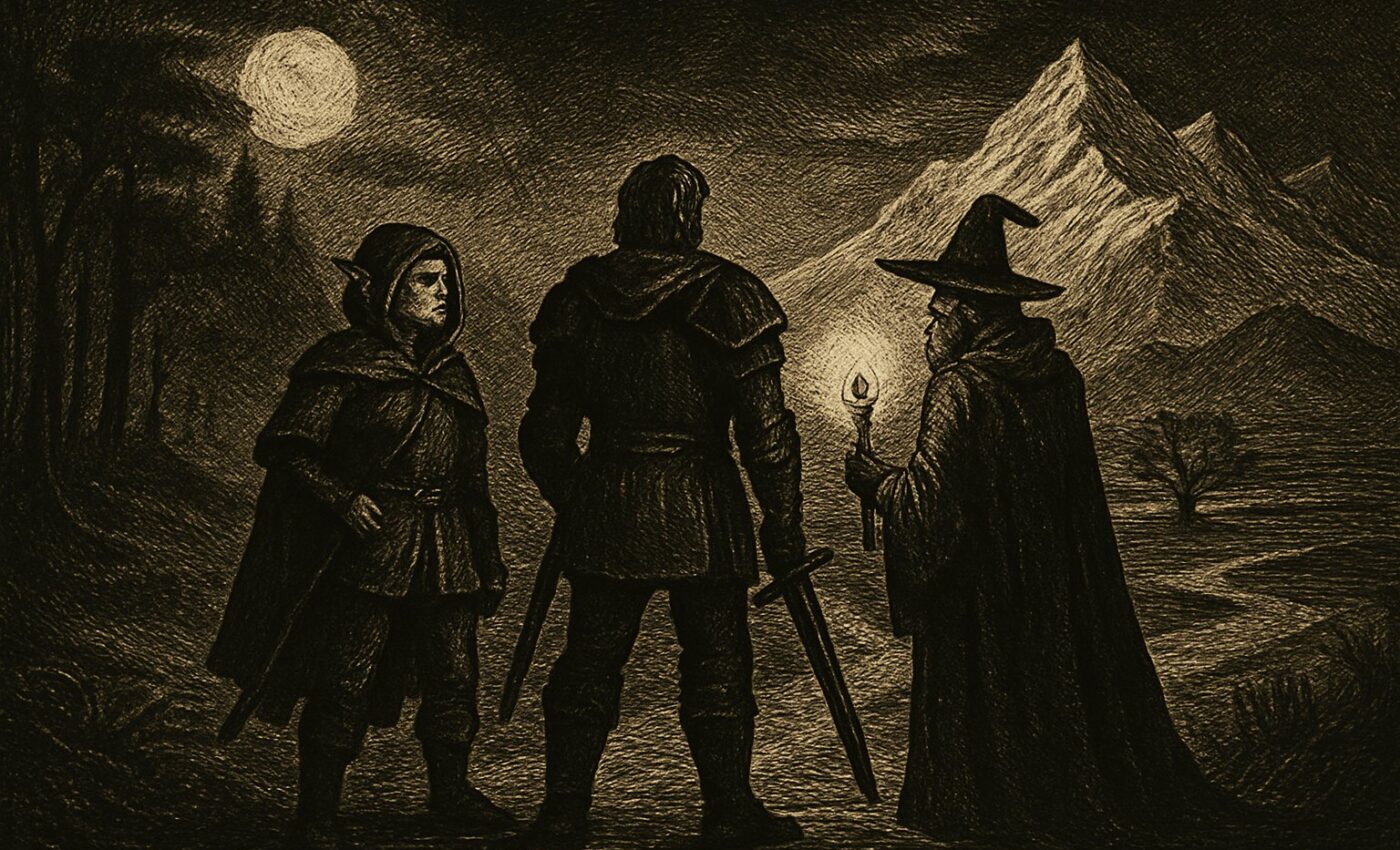
That is the frame. The game’s real hook is the cast. Six heroes, each with a separate story, and you pick three. The party you build decides which version of the tale you get.
Building a party that changes the story
Character selection is not cosmetic here. Trials of Mana asks players to customize a party of three from six unique characters, and the game says each combination plays out differently. That structure is the whole reason the 1995 version mattered, and the remake keeps it intact.
For a game built on replay, that matters more than any single mechanic.
The combat is action-driven, played from a third-person perspective, and built for a single player. It is an RPG with adventure bones — you explore, you fight in real time, you level a party you chose yourself. Nothing here is trying to reinvent the genre. It is trying to do the genre well, and it does.
Where the remake earns its keep
The jump to full high definition is the headline. This is a full remake, not a port with a filter over it, and the difference shows in every screen. A 1995 game gets rebuilt for hardware that did not exist when it launched, and the result reads as a modern action RPG rather than a museum piece.
That is the correct call. A straight re-release would have been cheaper and would have sold to the same small audience that already knew the name. Rebuilding it means the six-hero structure gets a real chance with players who never touched Seiken Densetsu 3.
The platform spread helps. Xbox Series X|S, PlayStation 4, Switch, PC, Android and iOS is about as wide as a release gets. Nobody has an excuse this time.
The order I would play it
If you are starting fresh, the party you pick is the first real decision the game asks of you. Here is how the six-character structure shapes the approach:
- Pick a lead whose story you actually want to see first.
- Fill the other two slots with characters whose paths you want to cross, since the party of three decides which stories you get.
- Save the combinations you skipped for a second playthrough, because the six heroes were built to be replayed.
- Do not look up a recommended party. The game gives you six unique characters and three slots precisely so the choice is yours.
That last point is the one worth defending hardest. Trials of Mana is not a game with a correct answer. It is a game with six answers and room for three.
What the score means
The 9.1/10 attached to Trials of Mana is a GameSpot Metacritic user score, not a critic’s review score. That distinction matters, and it is worth being precise about what the number is rewarding.
It is not rewarding the plot, which is serviceable fantasy machinery: a sleeping goddess, eight sealed monsters, evil forces breaking the seals. It is not rewarding the combat, which is solid without being the reason to show up. It is rewarding the fact that this game exists at all, and that it exists in this form.
Seiken Densetsu 3 was exclusive to Japan in 1995. That is the fact that sits under everything else here. A game with six leads, six stories and a party system built for repeat runs was locked to one country for years. The remake did not just translate it. It rebuilt it for Xbox Series X|S, PlayStation 4, Switch, PC, Android and iOS and handed it to everyone.
The 9.1 is a verdict on that rescue as much as on the game. Judged purely as an action RPG, Trials of Mana is strong but not flawless — the story beats are familiar, and the third-person single-player structure is conventional. Judged as what it is, a full high definition remake of a lost entry in a beloved series, it is close to the best outcome fans could have asked for.
The part worth watching now is how the six-hero structure holds up for players who never saw the original. Trials of Mana keeps the branching party, rebuilds the presentation, and ships it everywhere. That is the whole offer, and it is a good one.
Get the Notebook.
The day's best stories and every fresh verdict, in plain English, in your inbox by seven. One email a day, no more.