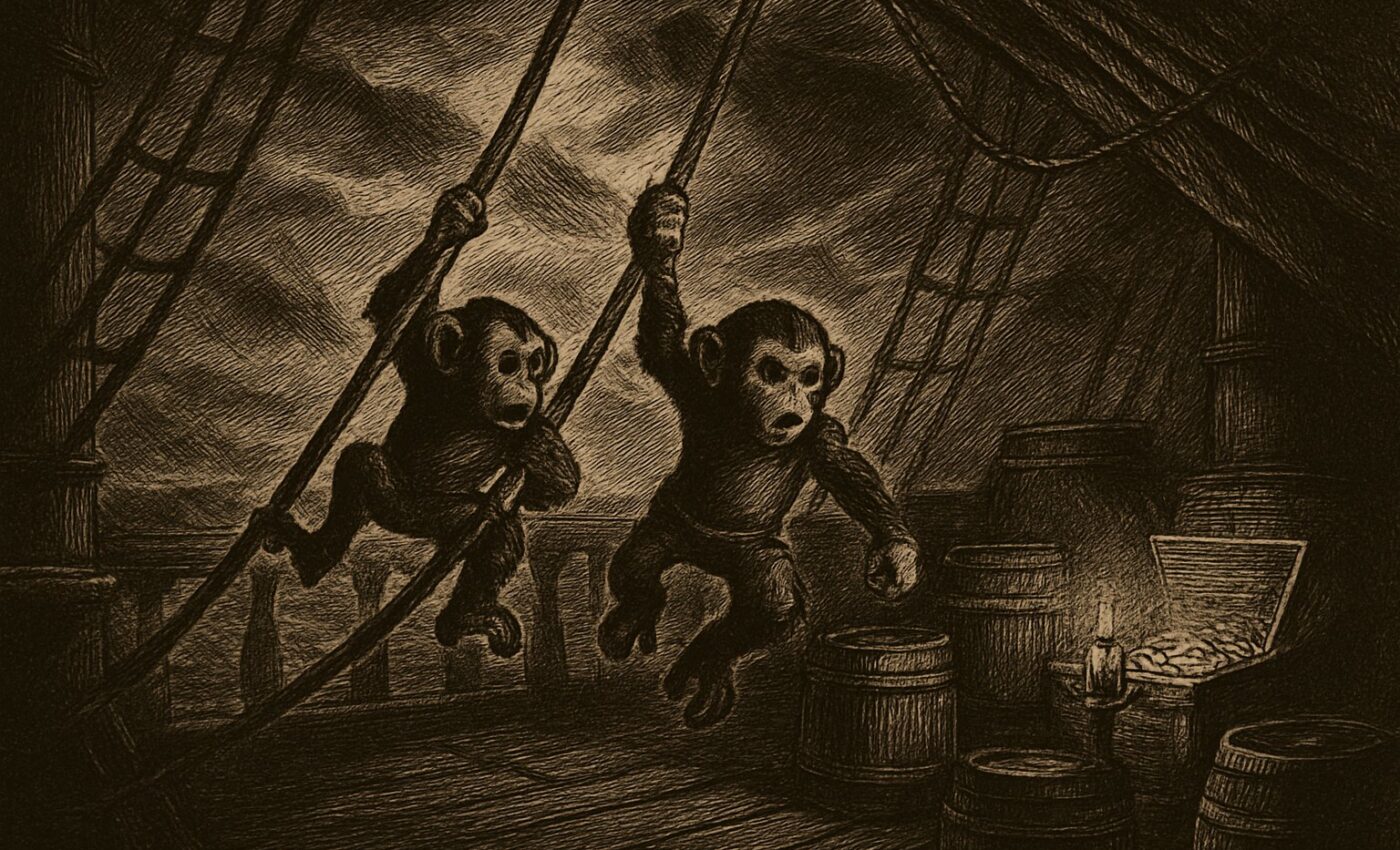
Donkey Kong Country 2: Diddy’s Kong Quest sends its two heroes across a series of ship stages taken over by enemy forces to bring back Donkey Kong, who has been taken away early in the story. The change to a new lead pair pays off. The result stands as one of the strongest platform games made for the Super Nintendo console.
Level Design
The stages push past the first game in almost every way. Players travel through ships held by enemies, move through gathering places of stinging creatures, and travel through small cars along passages beneath the surface at a pace that rarely lets up. Each world adds a new twist rather than repeating old tricks, and the pacing stays tight throughout.
- Ships with disappearing platforms
- Launch channels that demand exact timing
- Long parts under water with strong current effects
- Concealed rooms behind cracked walls and wooden containers
Two Characters, One Goal
The first hero brings quick motion and a tight spring in his step, while the second hero adds a spinning move that lets the player stay in the air longer. Changing between them changes how a stage plays, and some parts reward using one over the other. The two work as a pair, giving the sequel a different cast pairing than the first game.
Sound and Style
David Wise’s soundtrack stands out as one of the game’s clearest strengths. The travel themes beneath the surface and the water stages set a mood that matches the action on screen. The graphics still hold up too, with a detailed art style giving the game a depth that few other titles matched at the time.
Difficulty and Design
| Feature | Donkey Kong Country | Donkey Kong Country 2 |
|---|---|---|
| Heroes | Two, paired together | Two, with different moves each |
| Level variety | Strong | Stronger, with more themed worlds |
| Difficulty | Moderate | Higher, with tighter platform work |
| Soundtrack | Well regarded | Considered a high point of the series |
Difficulty rises steadily.
Some late stages ask for exact timing on every spring and bound, and a few concealed collectibles take real effort to find. That challenge never feels unjust, though; the controls stay quick to react throughout, and losses tend to come from player error rather than poor design.
The central island also gives the story a stronger sense of place than the first game’s overview screen did. Moving between worlds carries a clear sense of direction, and concealed paths reward players willing to return to earlier stages.
Donkey Kong Country 2: Diddy’s Kong Quest earns its place among the best titles in the series. Tight controls, a strong soundtrack, and level design that keeps adding new ideas make it a standout on the Super Nintendo console.