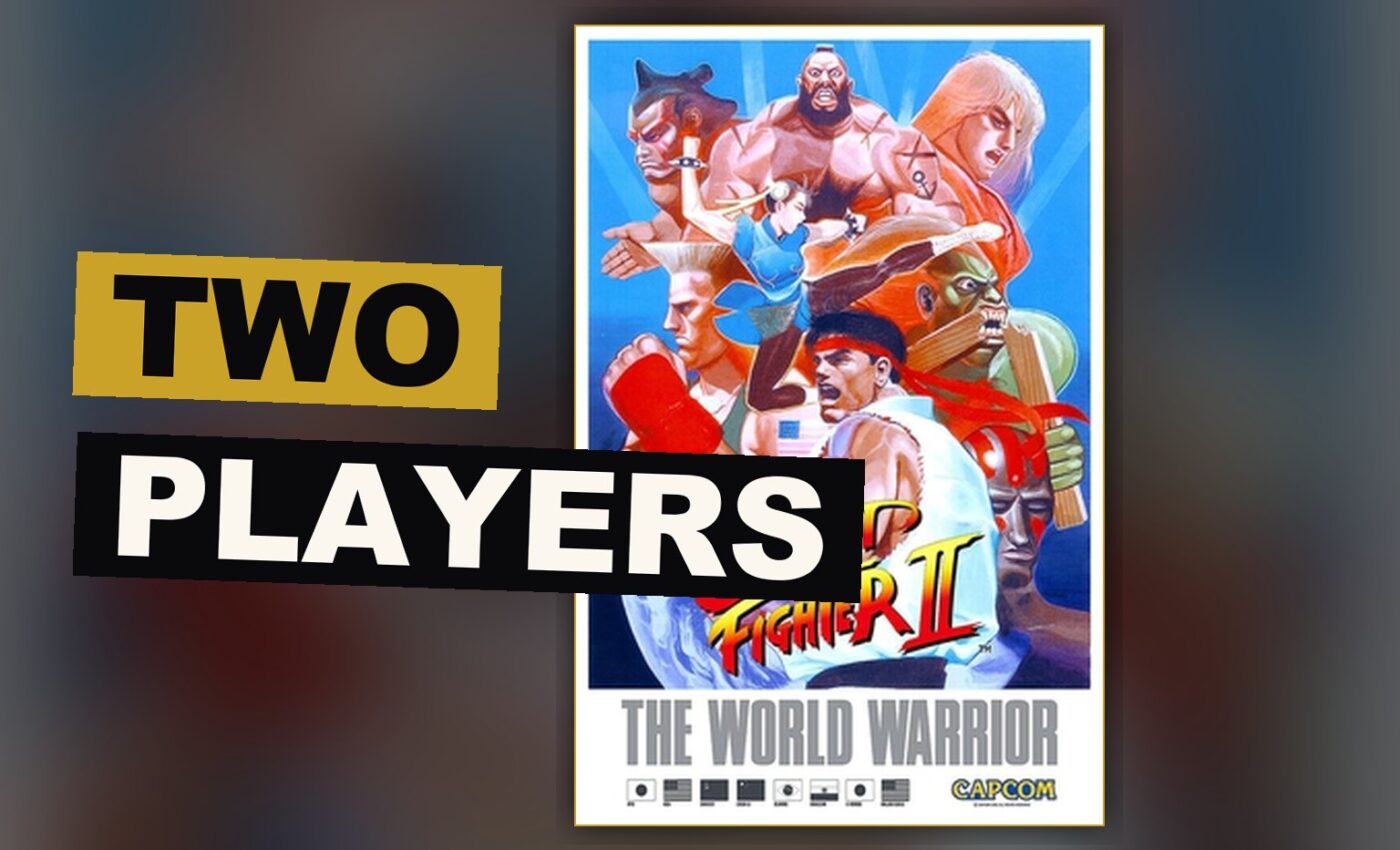
Street Fighter II arrives on the Super Nintendo with eight fighters to choose from and a fighting system that feels tighter than anything else on the console. Capcom built a game around timing and space. It shows.
Eight Fighters, Eight Feelings
Each fighter plays in its own way, and the differences matter. Some fighters throw energy attacks from a distance and reward players who like to keep space. Others close in fast and reward players who like disorder up close.
Here is how the roster breaks down by approach:
- Two balanced fighters who throw energy attacks and suit new players
- A fast, low fighter who is difficult to hold down
- A guarded fighter built around delayed moves
- A puzzling, near fighter who is awkward for rivals to read
- A steady, heavy fighter who is dangerous up close
- A distant fighter with long limbs who keeps space
- A heavy fighter who hits hard in close quarters
- Four harder rivals, run by the game itself, waiting before the credits roll
That mix gives the game replay value most Super Nintendo titles from this time do not offer.
Controls, Sound, and What’s Missing
The control scheme is the biggest technical step forward here. Three strikes of each kind, each with its own weight and haste. Special moves work well once the command is learned, and the game rarely feels wrong toward a player who has earned a move through practice.
The amount there is to learn is real, though. New players will lose a thrown attack by accident and eat an attack from above for it.
The music sticks. Each stage has its own theme, and most of them hold up after repeated play. Sound effects land with a force that makes hits feel like they matter. Settings are full of detail without getting in the way of the fight itself, and the large fighter figures sell the force of a hit stopped or landed well.
Playing alone is short, though. Once the eight main rivals are cleared, followed by the four harder fighters, the game simply ends. There’s no story mode, no extras to gain, nothing to chase beyond a high score and pride.
Difficulty rises greatly against those four harder fighters. Losing to them again and again can spoil the experience for players who don’t have a second controller and a friend close by.
That’s the catch with Street Fighter II: it’s built for two people in a room together. Alone, it’s good. With a second player, it’s something else.
A Fighting Game That Set the Standard
Street Fighter II did not create the fighting game genre, but it set a bar most rivals spent years trying to reach. The Super Nintendo version keeps the arcade feel largely whole, trading some clear detail in the pictures for a control scheme that translates well to a home controller.
Is it perfect? No. Playing alone runs thin, and the difficulty near the end punishes even players who have put in the time. But the core system, the fighter mix, and the sheer feel of landing a strike against a friend seated beside you make this one worth owning.
Street Fighter II remains a title that rewards patience and punishes carelessness. Anyone looking for a fighting game on the Super Nintendo that still holds up will find it delivers where it counts, even if it does not offer much beyond the fight itself.