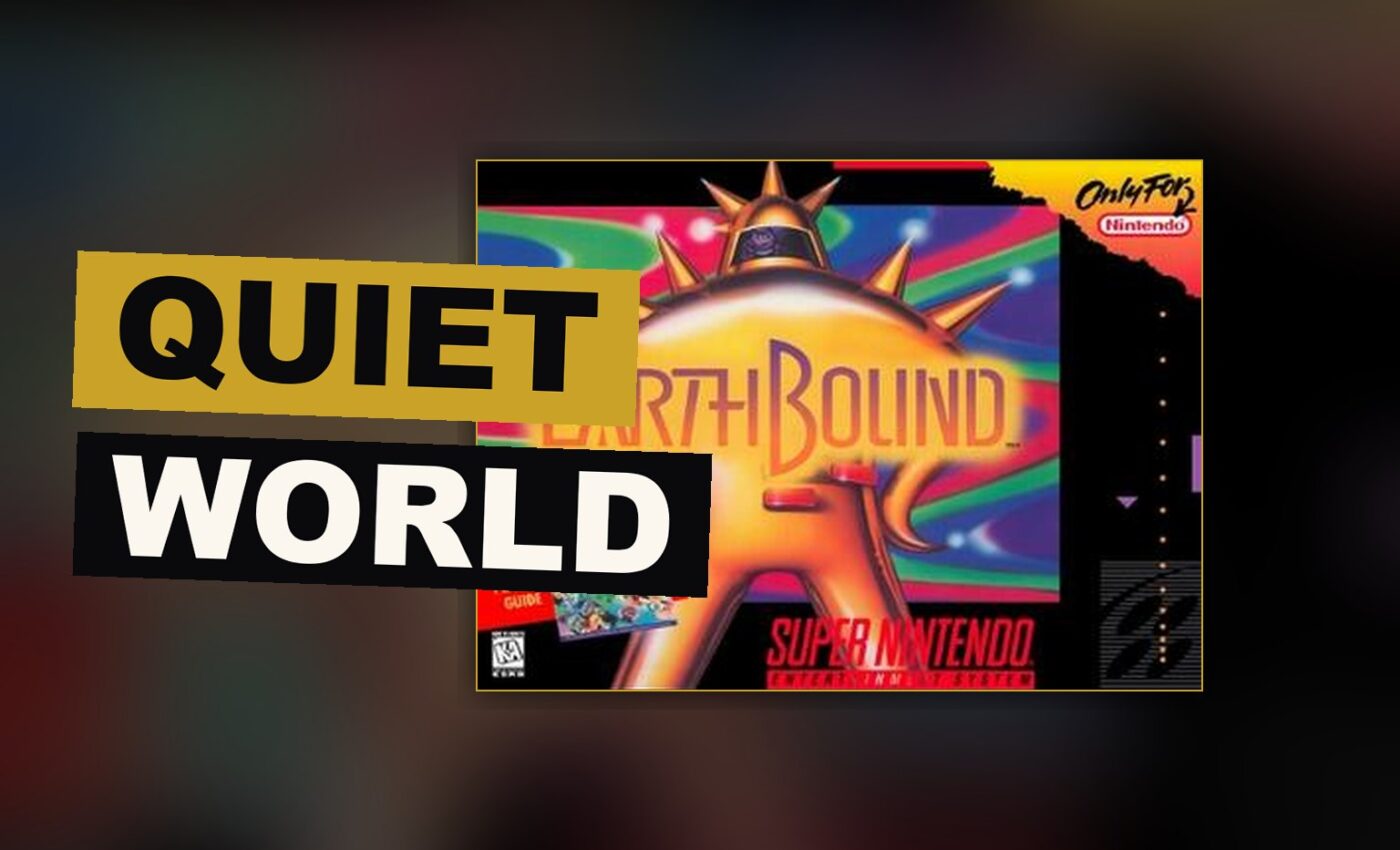
EarthBound arrives on the Super Nintendo with a joke and a blow in the same breath. It looks like a game for children. It plays like something stranger, warmer, and far more honest about growing up than most games aimed at adults.
A Setting Built From Ordinary Things
The game trades castles and dragons for suburbs, bus stops, and shopping centers. The hero leaves home with a pack and a bat, not a sword. Enemies include strange travelers, angry groups, and common objects gone wrong. The effect is warm and a little odd. Battle numbers roll down slowly instead of dropping all at once, a small touch that makes every fight feel more real.
The humor works because it never draws attention to itself. People in town say things that are strange and clear at the same time. Shops sell items with names that sound almost plain, but not quite. Nothing about the world tries too hard to seem funny, and that quiet approach is rare.
The Group You Travel With
The hero gathers three companions over the course of the story. Each brings a different set of skills to the group, and each is written with enough character to matter beyond simple numbers. One companion relies on tools rather than strength, giving the party a different feel in battle. Another joins late and changes the balance of the group again, keeping the later half of the game from feeling dull.
Ranked by how much they change the way fights unfold:
- The companion who joins last, whose skills hit hardest but arrive late
- The companion who uses tools, solving problems the others cannot
- The companion who balances attack and support early in the story
- The hero, steady and central, present through every fight
Sound and Sight
The music is one of the best on the system. It moves from cheerful town songs to dark, heavy tones without ever breaking its mood, and the music heard during boss fights commits fully to fear in a way the bright pictures do not prepare a player for. Sound effects are simple but stay with a player long after, especially the sound that builds as an enemy’s turn draws near.
The look of the game uses a bright style, drawn by hand, that stands apart from the fantasy looks common at the time. Enemy designs are strange on purpose — walking piles, angry road signs, pianos gone wrong — and that strange quality holds up well because it was never trying to look strong or lasting in the first place.
The game is not without trouble. Random fights can run long in the middle part of the story, and a few places go on past the point where their ideas still feel fresh. Grinding for strength is rarely needed, but the walk between story points sometimes drags, especially before a new companion arrives to shake things up.
None of that takes away from the ending, which earns its weight through patience rather than noise.
EarthBound is a strange, funny, quietly moving game that trusts players to sit with sadness as easily as jokes. It does not rely on size or difficulty to leave a mark. Instead it builds a world clear enough to feel real and strange enough to feel new, then asks players to move through it slowly. Few games on the system balance mood this well.