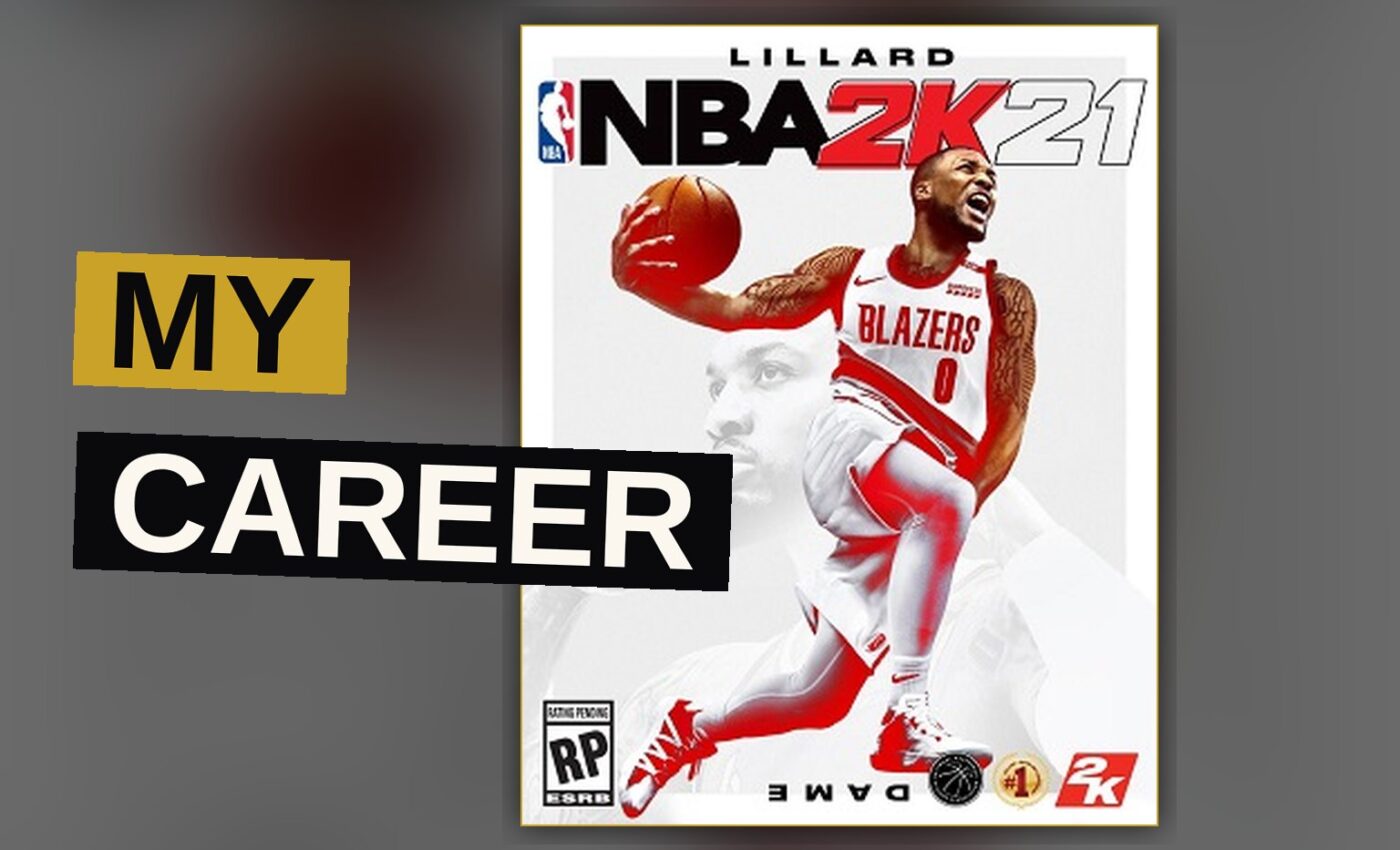
NBA 2K21 arrived on September 4, 2020, for Windows, macOS, Nintendo Switch, PlayStation 4, Xbox One and Google Stadia. Visual Concepts developed it. 2K published it. The PlayStation 5 and Xbox Series X/S versions followed in November 2020, alongside a different version of the main game featuring Zion Williamson of the New Orleans Pelicans.
It is the 22nd game in the NBA 2K line, the follow-up to NBA 2K20 and the predecessor to NBA 2K22. It is also a game at war with itself.
Trailer, via XBOX.
Zion Williamson and the Split Release
The Williamson version is the tell. Rather than ship one game, 2K shipped two — a current-generation build in September and a next-generation build in November, each with its own pitch. That is not confidence. That is a publisher hedging on hardware it could not yet count on.
The marketing promised “one-of-a-kind immersion into all facets of NBA basketball and culture.” The modes are all here: single player, multiplayer, co-operative and split screen, with action and business themes layered over a bird’s-eye, isometric view of the floor. On paper, the breadth holds up.
The Modes Are There. The Ideas Are Not.
Visual Concepts has spent years refining this simulation, and the on-court play remains the strongest argument for the series. The problem is that 2K21 does not make a new one. Most versions were released to heavy criticism, which cited a lack of originality in the gameplay along with microtransactions and bugs. This is a roster update wearing a new cover.
The microtransactions are worse. They sit inside a full-price game and shape how its modes are built, not just how they are sold. Bugs compound the frustration. A basketball sim should be judged on how it moves, and 2K21 moves well enough — then asks for your wallet at the door.
The NBA 2K21 Arcade Edition was released for Apple Arcade on April 2, 2021. It is a separate release, and the source says nothing about how it plays or how it was received.
With exciting improvements upon its best-in-class gameplay, competitive and community online features, and deep, varied game modes, NBA 2K21 offers one-of-a-kind immersion into all facets of NBA basketball and culture – where Everything is Game.
A 7.7 Is Not a Pass
The published critical score is 7.7 out of 10, drawn from an aggregate of 11 outlets. That number is honest, and it is not a compliment. A 7.7 for a franchise this well funded, with this much time between installments, reads as a shrug. It sits above mediocre and well below the standard the series set for itself.
The split release is part of the picture, but the source does not tie it to the score. What the source does give is a pattern: two builds in one fall, a second version built around Williamson, and a critical consensus that named the same three problems.
What actually matters here is simpler. The core basketball is good. Everything wrapped around it — the storefront, the bugs, the sense that this is a placeholder for the next one — is what the criticism keeps naming. A 7.7 is the sound of a series coasting on a reputation it has not earned this cycle.
What the Next Installment Owes
NBA 2K22 inherits a franchise with a strong floor and a weak ceiling. The engine is not the problem. The criticism is aimed at what surrounds it. Whether that changes is not something this release answers.
Get the Notebook.
The day's best stories and every fresh verdict, in plain English, in your inbox by seven. One email a day, no more.