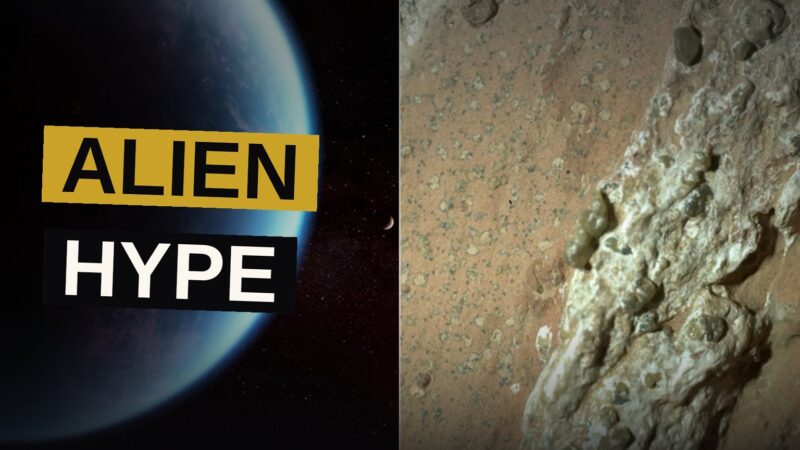
Have We Found Alien Life? Hundreds of Scientists Say Probably Not Yet
A survey of astrobiologists reveals only 6.6% think K2-18b hints are alien life; 15.1% say the same for Mars rock. Experts remain cautious.

Research, space, climate and the natural world.
A survey of astrobiologists reveals only 6.6% think K2-18b hints are alien life; 15.1% say the same for Mars rock. Experts remain cautious.
Scientists build a five-metal catalyst that survives 10,000 cycles, cutting reliance on costly platinum in fuel cells.
Google's AlphaGenome Atlas predicts effects of all 9 billion possible single-base DNA changes, mapping non-coding genome function.
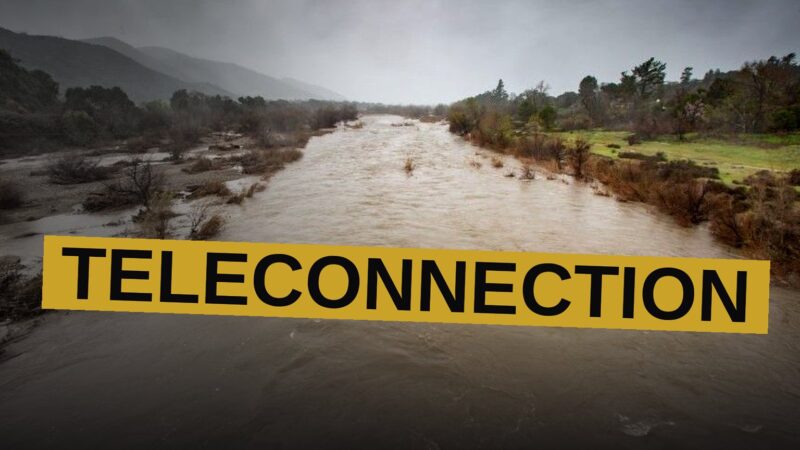
Scientists find that heat waves on the Tibetan Plateau triggered California's record-breaking atmospheric river floods thousands of miles away.
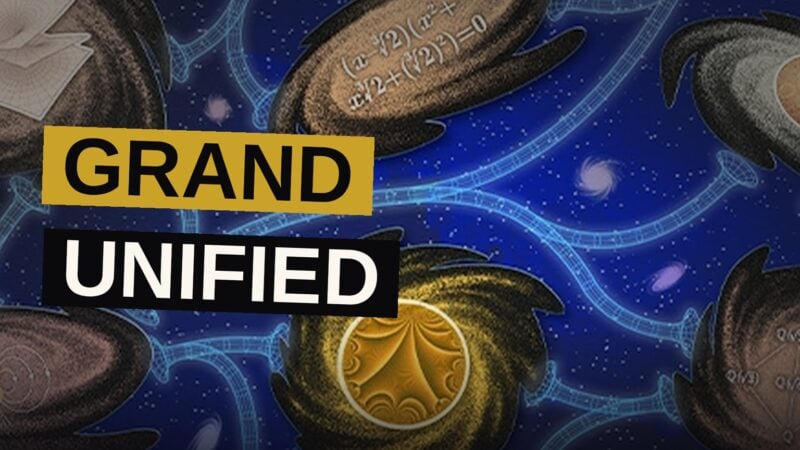
The Langlands program links number theory and wave analysis, and mathematicians still struggle to agree on what it truly means.

Leonardo da Vinci's endless delays on the Mona Lisa weren't laziness—new research links his procrastination to genius-level creativity.
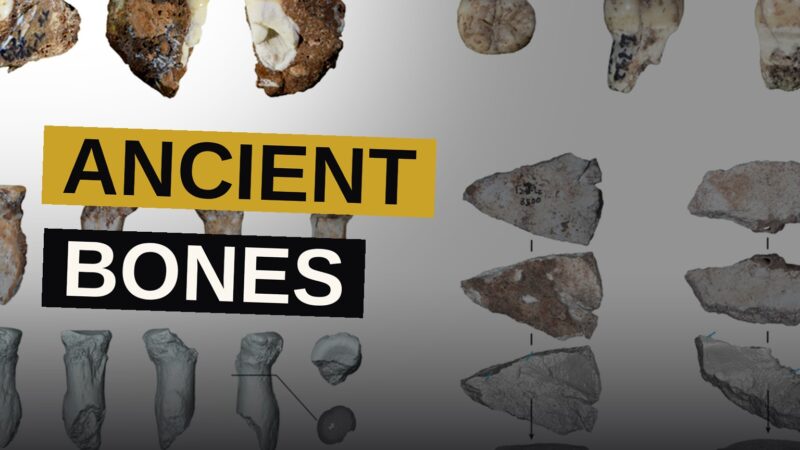
A cave in China yields the first Denisovan arm bone plus tools and animal bones, revealing 100,000 years of life there.
ALMA finds interstellar comet 3I/ATLAS unusually rich in methanol, reshaping ideas about icy comet formation beyond our solar system.
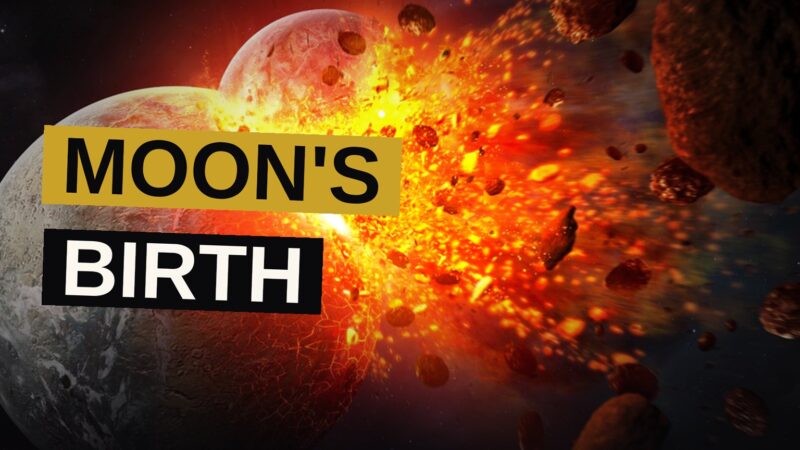
New simulations suggest the moon formed in just 5 hours after Earth collided with Theia, reshaping planetary science.
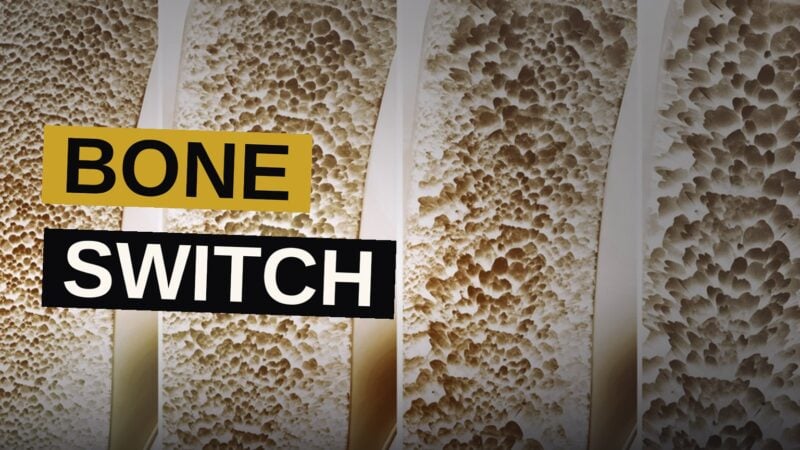
German scientists found a receptor, GPR133, that strengthens bones and muscle in mice — a possible new path to treating osteoporosis.
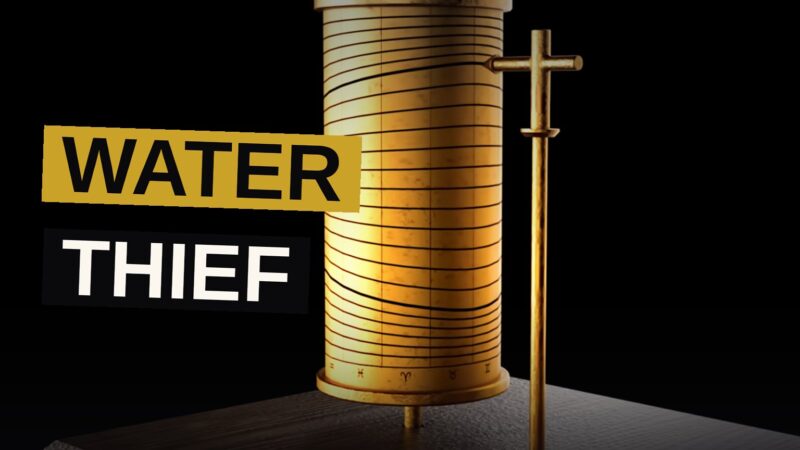
An ancient water thief kept perfect time for eighteen hundred years, a marvel of forgotten Grecian art and patient contrivance.
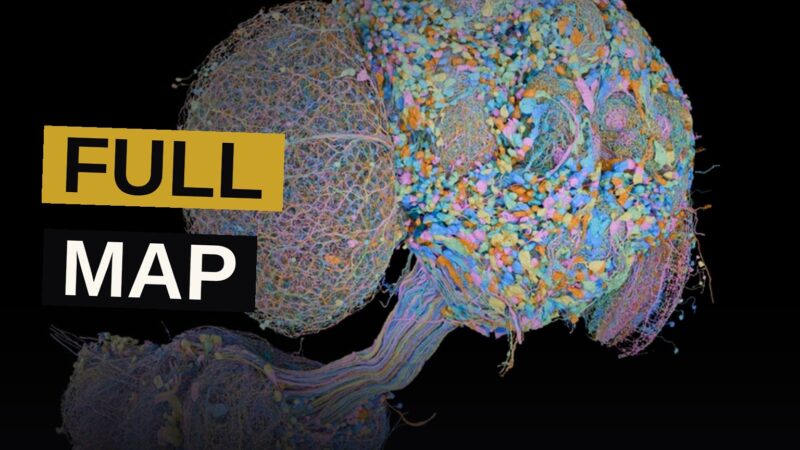
A second full map of every nerve cell in a fruit fly brain has been completed, a work of vast and patient toil for science.
As an Amazon Associate, Clay Tribune earns from qualifying purchases.