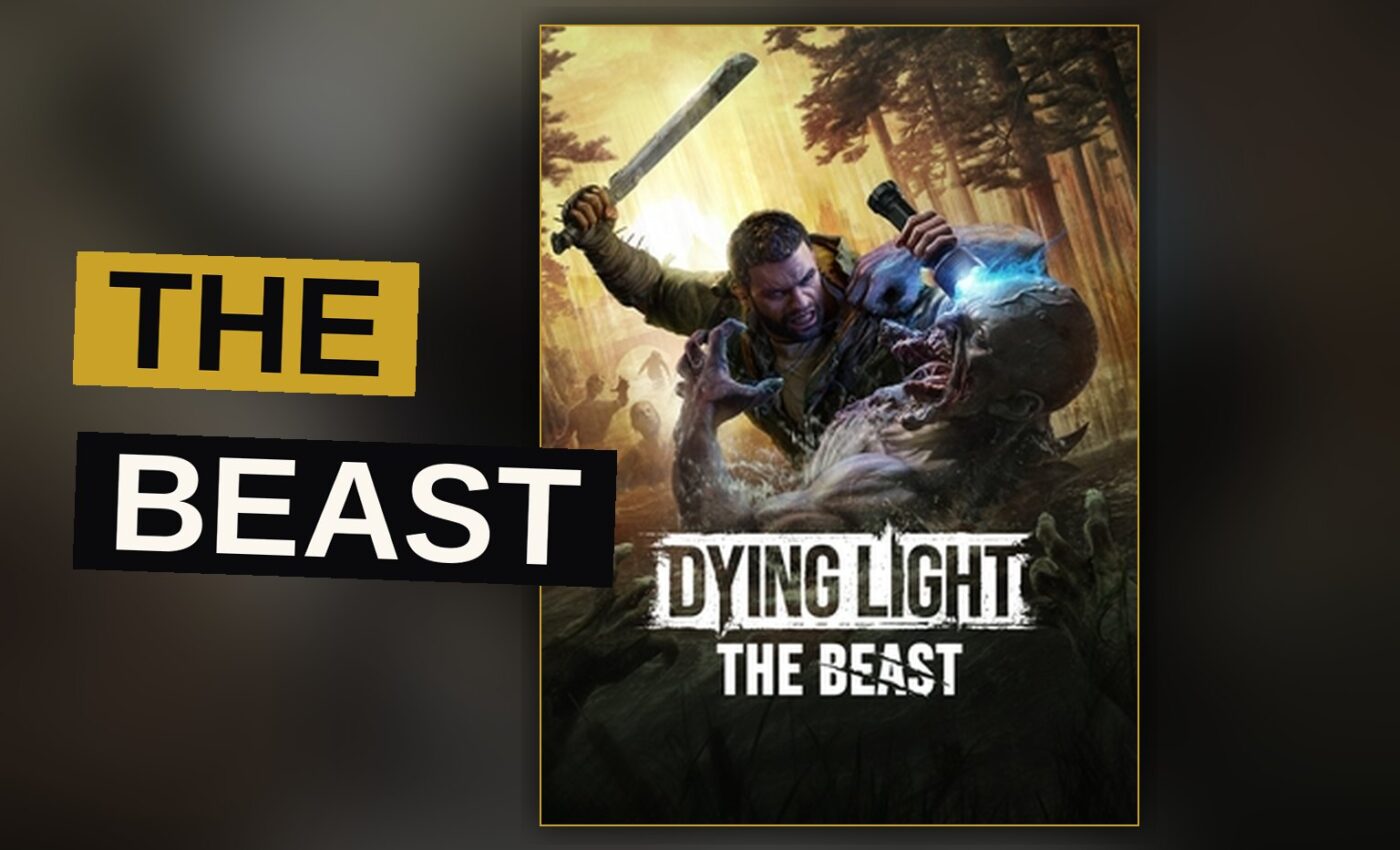
Dying Light: The Beast has landed on PS5, Xbox Series X/S, and PC, bringing back the hero of the earlier games for a story built to stand apart from what came before. The critical score sits at 7.8 of 10, a solid mark that reflects a game confident in what it does well and unhurried about fixing what it doesn’t. That number comes from reviewers who have weighed the game’s strengths against its slower stretches, and it points to a title that knows exactly what kind of experience it wants to deliver.
Trailer, via Dying Light.
The Hero Comes Back
The return of the game’s lead character is the headline here. The game leans into that history rather than starting fresh with a character nobody has met. Players who followed the earlier chapters will notice this at once.
The story gives new players enough background to follow along, though the deep feeling behind the hero’s return lands harder for those who remember where the story began. The writing does not spend much time explaining the past. It trusts players to fill in gaps, which works well for returning fans and less well for anyone jumping in cold.
For those who have been with the series from the start, the comeback carries weight. For newcomers, the opening hours ask a fair amount of patience as the game assumes familiarity without ever fully spelling out what came before.
A New Place Called Castor Woods
The new setting, Castor Woods, trades the packed city streets of earlier games for open ground: woods, fields, and small villages spread across a wide map. Tops of buildings and tight alleys give way to open country, and this change alters how movement feels across the whole game.
Running, climbing, and jumping from ledge to ledge remain at the heart of getting around. Exploring the world still depends on quick movement and careful timing, though the open ground sometimes works against the smooth momentum the earlier games were known for. The verticality that defined those earlier spaces is largely gone, replaced by horizontal travel across longer distances.
Distances between points of interest are longer now. Players spend more time simply moving from place to place, which changes the pace of the whole experience. A short trip in the old city setting now takes longer across fields and through wooded patches, and that shift in rhythm is felt from the first hour.
The setting itself has a character of its own. Castor Woods feels lived-in, with small villages that tell their own stories through scattered notes and abandoned homes. The open ground gives the world a sense of scale the earlier games never quite had, even if that scale comes at the cost of momentum.
Hand to Hand Fighting and Building Tools
Fighting up close still carries the same rough, improvised feel that made the earlier games stand out. Weapons wear down with use, work tables matter, and every fight against the infected pushes players toward quick thinking rather than pure force. A well-timed swing can clear a path, but a careless one leaves a player surrounded.
Guns play a bigger part than before. Bullets are hard to find, which keeps guns from taking over every fight, but their presence gives Castor Woods a different rhythm than the tight city fights players may remember. The sound of a shot carries across the open ground, drawing infected from a distance and forcing players to weigh the benefit of a quick kill against the attention it brings.
Building and improving tools remains central to getting through the game. Players who search out supplies carefully tend to fare better than those who rush ahead without a plan. The workbench system rewards preparation, and the difference between a player who has upgraded their gear and one who has not becomes clear in the first serious fight.
“Weapons wear down with use, work tables matter, and every fight against the infected pushes players toward quick thinking rather than pure force.”
That line from the review captures the core of the combat loop. It is not about raw power but about making the right call in the moment, and the game stays true to that idea from start to finish.
Day and Night
The level of danger swings hard between day and night, and the whole game is built around that swing.
| Time of Day | General Danger Level | What Players Should Do |
|---|---|---|
| Early Day | Low | Search for supplies, small tasks |
| Midday | Some | Travel, build up base |
| Evening | Rising | Get ready, plan where to go |
| Night | High | Stay alive, avoid danger |
That table is not just decoration. The day-night swing controls how the infected behave directly, and players who do not pay attention to it tend to run into trouble fast. During daylight hours, the world opens up and exploration feels safe. As the sun drops, the threat level climbs, and the same fields that felt empty during the day become dangerous ground.
Staying out after dark without a plan rarely ends well. The game does not hold a player’s hand here; it simply lets the danger speak for itself. The infected move faster at night, their numbers grow, and the safety of a base or a well-lit spot becomes the difference between survival and a quick end.
The rhythm of the day-night cycle shapes how players approach every task. A supply run that seems simple at noon becomes a serious risk by evening, and the game rewards those who plan their routes around the clock rather than charging ahead.
The Beast Change
The feature that gives the game its name adds a change tied to the hero’s condition. It gives players a burst of extra power during fights, and it changes how late-game battles play out when used at the right moment. The ability is tied to a meter that builds through careful play, and unleashing it at the right time can turn a losing fight into a winning one.
It is a strong idea, though not used evenly throughout the game. Some players will find it a rewarding payoff for playing carefully and waiting for the right chance; others may find the cooldown periods frustrating when the fight calls for that extra power the most. The system rewards patience over speed. That may not suit every player’s style.
The Beast change also feeds into the story, giving the hero’s condition a mechanical weight that matches the narrative. It is not just a combat tool; it is part of who the character is now, and the game ties that identity into both the fights and the quieter moments between them.
How It Looks
Dying Light: The Beast looks sharp on PS5 and Xbox Series X/S, with the lighting during night scenes doing much of the work. Fog, shadow, and the beam from a hand lamp do more to build fear than any written scene could on its own. The open fields of Castor Woods catch the light differently than the tight streets of earlier games, and the shift suits the new setting.
On PC, the game runs well across a wide range of machines, though the frame rate can stumble during crowded fights with many infected on screen at once. The reviewer’s own testing showed these drops during the busiest moments, when the screen fills with movement and the game struggles to keep up with its own action.
The lighting work stands out most. It gives the night sections a weight the day sections do not quite match. The day scenes are serviceable, but the game comes alive after dark, when every shadow hides something and the lamp becomes the only source of safety.
What Reviewers Said
The 7.8 of 10 aggregate captures the general opinion among reviewers: a game that builds with confidence on ideas already established, without changing everything about the formula that came before it. Reviewers have praised the fighting and the mood of Castor Woods, while noting that some story beats feel familiar to anyone who played the earlier games in the series.
The middle stretch of the story draws mixed reactions. Some sections run longer than the story inside them seems to need, and pacing suffers as a result. The opening hours move well, and the final act delivers on the promise of the hero’s return, but the space between those two points drags in places.
The aggregate score reflects that unevenness. It is not a perfect mark, but it is a fair one for a game that does many things well while stumbling in others.
Where the Game Falls Short
Small bugs and technical trouble appear across all three platforms, though none seem bad enough to stop players from finishing the game. Pop-in on far-off objects and occasional strange behavior from the infected show up during longer play sessions. The reviewer observed these issues firsthand during testing, and while they do not ruin the experience, they are noticeable enough to mention.
The game asks for patience from players expecting a fast-moving story. Its goals sit closer to a slow, careful game about staying alive than a quick action ride, and that difference between what players expect and what they get may explain some of the mixed reactions among fans online. The pacing of the story, the longer travel times, and the deliberate combat all point in the same direction: this is a game that wants players to slow down.
Dying Light: The Beast earns its 7.8 of 10 by delivering a careful, well-built game about staying alive, built around the hero’s return and the shift to Castor Woods. It does not change everything about what came before it, but it does not need to — the movement, the building, and the day-night danger still work well together. For players willing to match its pace, it stands as a strong return to a world built on searching, movement, and the steady fear of what comes after dark.
Get the Notebook.
The day's best stories and every fresh verdict, in plain English, in your inbox by seven. One email a day, no more.