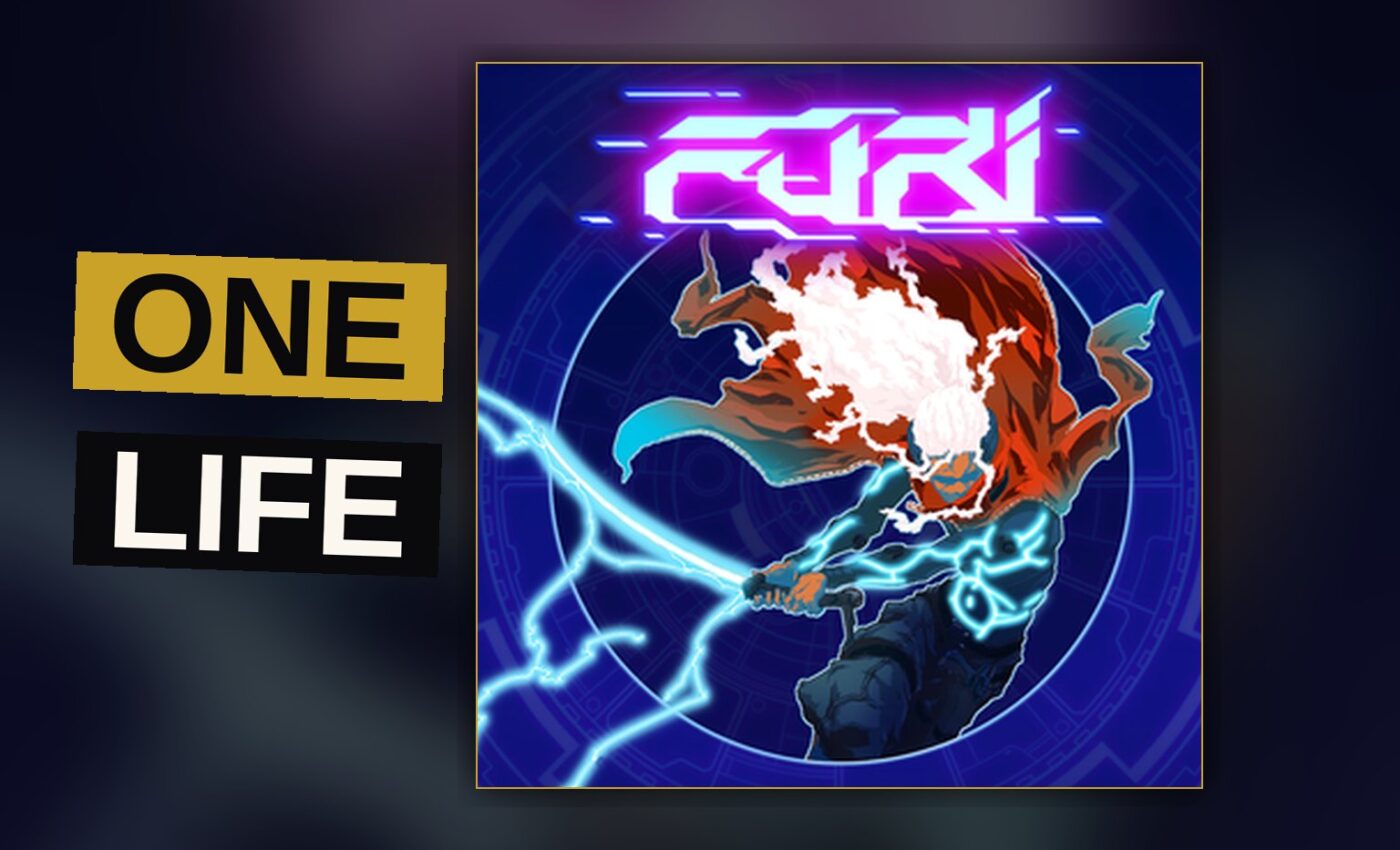
Furi is a one-on-one duel, and it knows it. The 2016 game from developer Sirlin Games asks players to face a series of bosses, each with its own attack pattern, rhythm and timing window. There is no cover, no health bar to fill back up. Every mistake costs a life, and losing means starting over from the beginning. That single rule shapes everything about how Furi plays, and it explains why the game still holds attention years after release.
The Bosses That Define It
Furi is built around a set of named enemies, each designed to test a different kind of reaction. The game presents five distinct bosses, and each one demands a different approach to timing and spacing.
- The first boss moves slowly and telegraphs its attacks clearly, making it a gentle introduction to the game’s mechanics.
- The second boss adds speed and surprise, forcing players to react to attacks they can’t fully see coming.
- The third boss relies on tight windows and quick repetition, testing patience as much as reflex.
- The fourth boss introduces a layer of depth, asking players to manage multiple threats at once.
- The final boss brings everything together, with fast attacks, tight windows and no room for error.
Each boss is a small lesson in itself, and the game builds on those lessons across the full run. Players who survive the early stages carry forward what they learned about timing, spacing and reading attacks.
Learning To Read The Attacks
The core of Furi is simple to describe and hard to master. Attacks follow a pattern, and players who learn that pattern can predict where danger will land. The game rewards players who watch closely and punish those who guess wrong. That balance between observation and action is what makes the game feel satisfying when it works and punishing when it doesn’t.
Furi’s difficulty curve rises steadily. Early fights ease players into the basics, while later bosses demand near-perfect execution. The game does not hold hands, and it does not explain itself beyond the basic rules. That lack of guidance can frustrate some players, especially those used to games that offer hints or tutorials. But it also makes the victories feel earned.
Why The One-Life Rule Works
The one-life design is the game’s boldest choice, and it is also its biggest strength. Losing a fight sends players back to the start, and that threat keeps every attempt tense. There is no checkpoint, no save point, no way to return to where you were. Each attempt is a fresh start, and the game forces players to think carefully before they act.
That pressure changes how players approach the game. They stop guessing and start watching. They look for tells in enemy movement, they time their inputs more precisely, and they plan their runs with greater care. The result is a game that feels more deliberate than frantic, even when the attacks come fast.
How The Bosses Differ From Each Other
The five bosses are not simply copies of one another with different colors. Each one is built around a distinct mechanic, and the game uses those differences to keep the experience varied from start to finish.
The first boss sets the tone with a slow, readable attack pattern. Players learn to read the timing, and the game eases them into the rhythm. The second boss raises the stakes by adding unpredictability, forcing players to react to attacks they cannot fully see coming. The third boss narrows the windows, demanding precise timing and quick repetition. The fourth boss layers on complexity, asking players to manage multiple threats at once. And the final boss combines everything, testing every skill the game has taught along the way.
That variety is what keeps Furi engaging across its short runtime. Players who finish one boss are greeted with a new challenge, not a repeat of the last one.
What The Game Demands Of Players
Furi is a game about focus. It requires players to watch closely, to time their inputs with precision, and to accept failure as part of the process. The game does not forgive mistakes, and it does not hide its difficulty behind a soft curve. That honesty is part of what makes it compelling.
The game’s presentation is minimal. It is a one-on-one duel, not a sprawling arena or a wide world to explore. That simplicity suits the design. There is nothing to distract from the fight, and the game’s focus is total. The result is a concentrated experience that rewards attention.
Where The Game Falls Short
Furi is not without its weaknesses. The lack of checkpoints can frustrate players who want to try again without starting from the very beginning. The game’s difficulty spikes can feel steep, especially during the middle portion of the run. Some players may find the game too brief to justify its price, though the short length is part of the appeal for others.
The game also does not offer much in the way of visual spectacle. It is a one-on-one duel, and it stays within that narrow frame. That focus could be seen as a limitation, but it is also a deliberate choice that fits the game’s design.
A Brief Word On Replay Value
Furi’s replay value comes from repeated attempts, not from additional content. Players who complete the game will likely return to try to beat their best time, to learn the bosses better, and to improve their execution. The game does not offer a second campaign or a mode for two players, and it does not need to. Its strength is in the single run, and that single run carries enough weight to sustain interest.
The game’s difficulty curve ensures that players will want to try again, even after they have finished it. Each attempt teaches something new, and the game rewards players who keep trying.
The Numbers Behind Furi
- Developer: Sirlin Games
- Platforms: PS4, PC, PS5, Xbox One
- Release year: 2016
- Critical score: 7.9/10
Furi is a focused, demanding game that rewards patience and precision. It is not for everyone, and its difficulty will push some players away. But for those who stick with it, the game offers a satisfying experience that few other titles deliver. The one-life rule, the varied bosses, and the emphasis on timing make it a standout entry in the genre.
Furi earns a score of 7.9 out of 10.