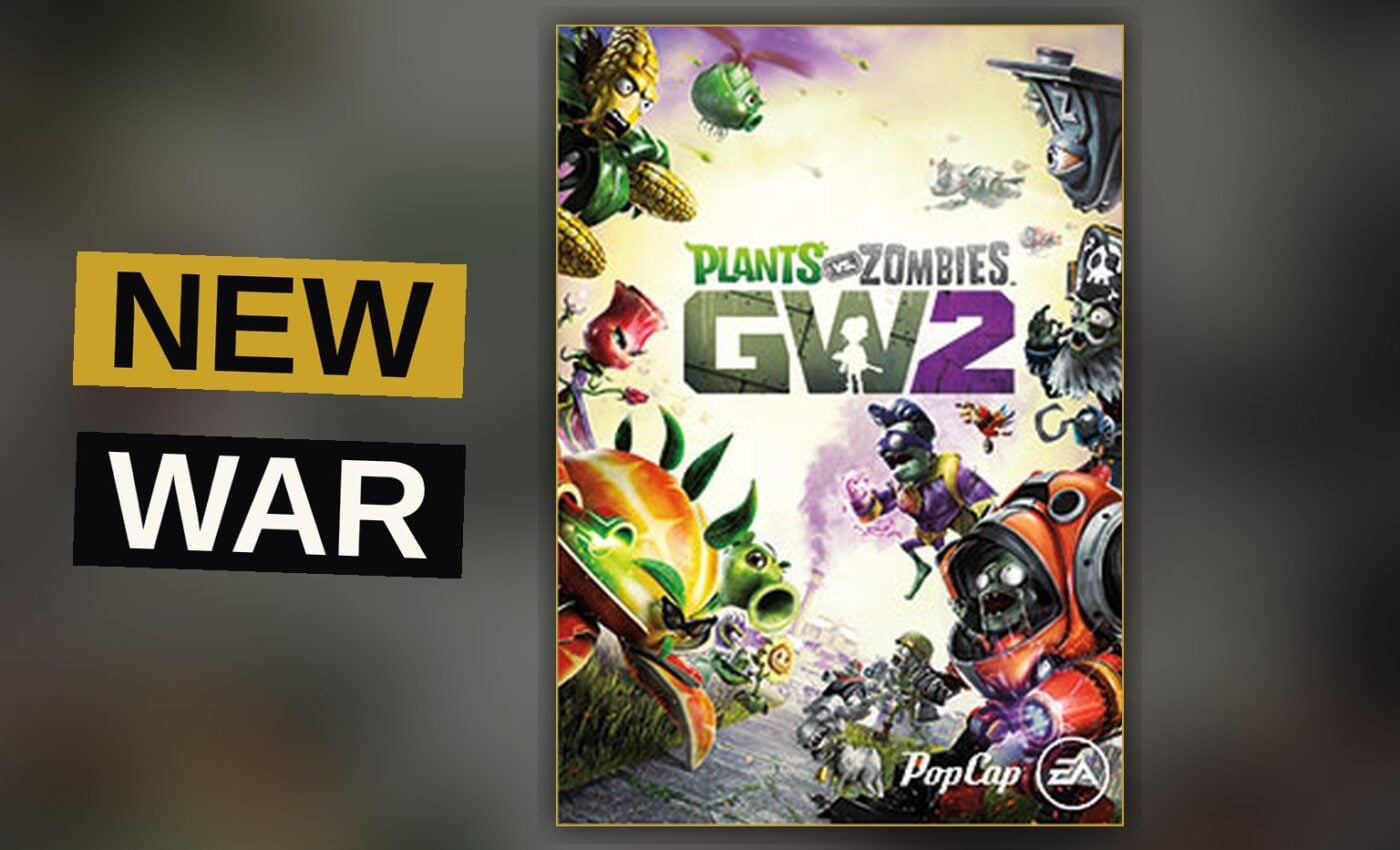
Plants vs. Zombies: Garden Warfare 2 arrives on PS4, PC and Xbox One as a direct sequel to Plants vs. Zombies: Garden Warfare, and it plays like a full expansion rather than a fresh start. The core loop remains the same: small teams of soldiers, tanks and other characters fight across maps filled with plants. What changes is the scope. This version adds new classes, new modes and a campaign mode built around a larger story. The result is a game that feels bigger without losing the charm that made the original work.
Trailer, via Plants vs. Zombies.
Class System
The biggest addition is the class system. Players can choose from a wide range of new characters, each with their own set of abilities and play styles. Some classes are fast and agile, built for quick strikes. Others are heavy and slow, designed to hold back enemy lines. The variety means no two matches feel the same, even when the map stays the same.
The class system also changes how teams are built. In the original, everyone played the same role. Here, players can mix classes to balance offense and defense, making team composition a real strategy choice. That simple change makes multiplayer matches feel more tactical and less repetitive.
Campaign Mode
Plants vs. Zombies: Garden Warfare 2 includes a campaign mode, which is a first for the series. It follows a story about the forces of the city facing off against a new threat. The campaign mixes waves of enemies with short puzzle sections and boss fights. It is not a deep story, but it gives the game a reason to exist beyond multiplayer.
The campaign is a welcome addition for players who want a single-player experience. It runs for a few hours and eases players into the new classes before throwing them into the chaos of online play. It also serves as a tutorial of sorts, showing off the game’s new systems in a controlled setting.
New Modes
The game adds several new modes to the roster, each with its own twist on the standard formula. One mode turns the battlefield into a giant obstacle course. Another lets players ride vehicles across the map. These modes break up the usual back-and-forth of the main game and keep matches fresh.
The modes are not just cosmetic changes. Each one alters the pace of the match and rewards different skills. Some modes favor players who can move quickly. Others reward those who can stay still and plan ahead. That variety means there is always a mode suited to a player’s current mood.
Map Design
The maps themselves are the heart of the game. They are large, varied and full of hidden paths and shortcuts. Players who know the map can gain a huge advantage over those who are new. The maps also change depending on the mode being played, adding a layer of complexity to the game.
The maps support both the new modes and the classic gameplay. That means a map built for a vehicle race can also host a standard match, giving the community a shared base of content to build around. The map design is clearly the result of careful planning.
Presentation
The game runs at a smooth frame rate across all three platforms. The art style is bright and colorful, with character models that are expressive and easy to read from a distance. The sound design is also strong, with clear audio cues that help players locate enemies and teammates.
The presentation is consistent across PS4, PC and Xbox One. There is no performance drop-off that would make one platform feel better than another. That consistency is important for a game built around multiplayer, where players need to trust that their experience matches the one their friends are having.
Online Play
Online play is where Plants vs. Zombies: Garden Warfare 2 shows its strengths. Matches are fast, the matchmaking system is reliable, and the servers hold up well during peak hours. The game also supports cross-play, letting players on PS4, PC and Xbox One compete against each other. That opens the player pool far beyond what the original offered.
The matchmaking system is a standout feature. It groups players by skill level, ensuring that matches stay competitive without becoming frustrating. The game also offers ranked play for those who want to climb the ladder. The online infrastructure holds up well, with minimal downtime and no significant server issues reported during testing.
Weak Points
The campaign is short and linear, offering little replay value once it is finished. Some of the new modes can feel similar to each other after extended play. The game also lacks a robust spectator mode, which limits how others can watch matches live.
These issues are minor compared to the strengths of the game. The campaign is a nice addition, not a defining one. The modes share some mechanics, but they offer enough variety to keep things interesting. The lack of a spectator mode is a missed opportunity, but it does not hurt the core experience.
Final Score
Plants vs. Zombies: Garden Warfare 2 succeeds because it builds on what worked before while adding enough new content to justify a purchase. The class system, new modes and campaign mode give the game a sense of ambition that the original lacked. The online play is stable, and the maps are some of the best in the genre.
The game is not perfect. The campaign is thin, and some modes blur together. But the core gameplay remains sharp, and the new systems add depth without sacrificing accessibility. For fans of the series, this is a clear step forward. For newcomers, it is a solid entry point.
The modes offer a clear range of experiences:
- Obstacle course mode turns the battlefield into a giant obstacle course
- Vehicle mode lets players ride vehicles across the map
- Standard mode returns the familiar back-and-forth of the original
- Boss fights break up the wave pattern with a single target
Each mode alters the pace of the match and rewards different skills, giving players a reason to try them all.
Plants vs. Zombies: Garden Warfare 2 earns an 8.5 out of 10.
Get the Notebook.
The day's best stories and every fresh verdict, in plain English, in your inbox by seven. One email a day, no more.