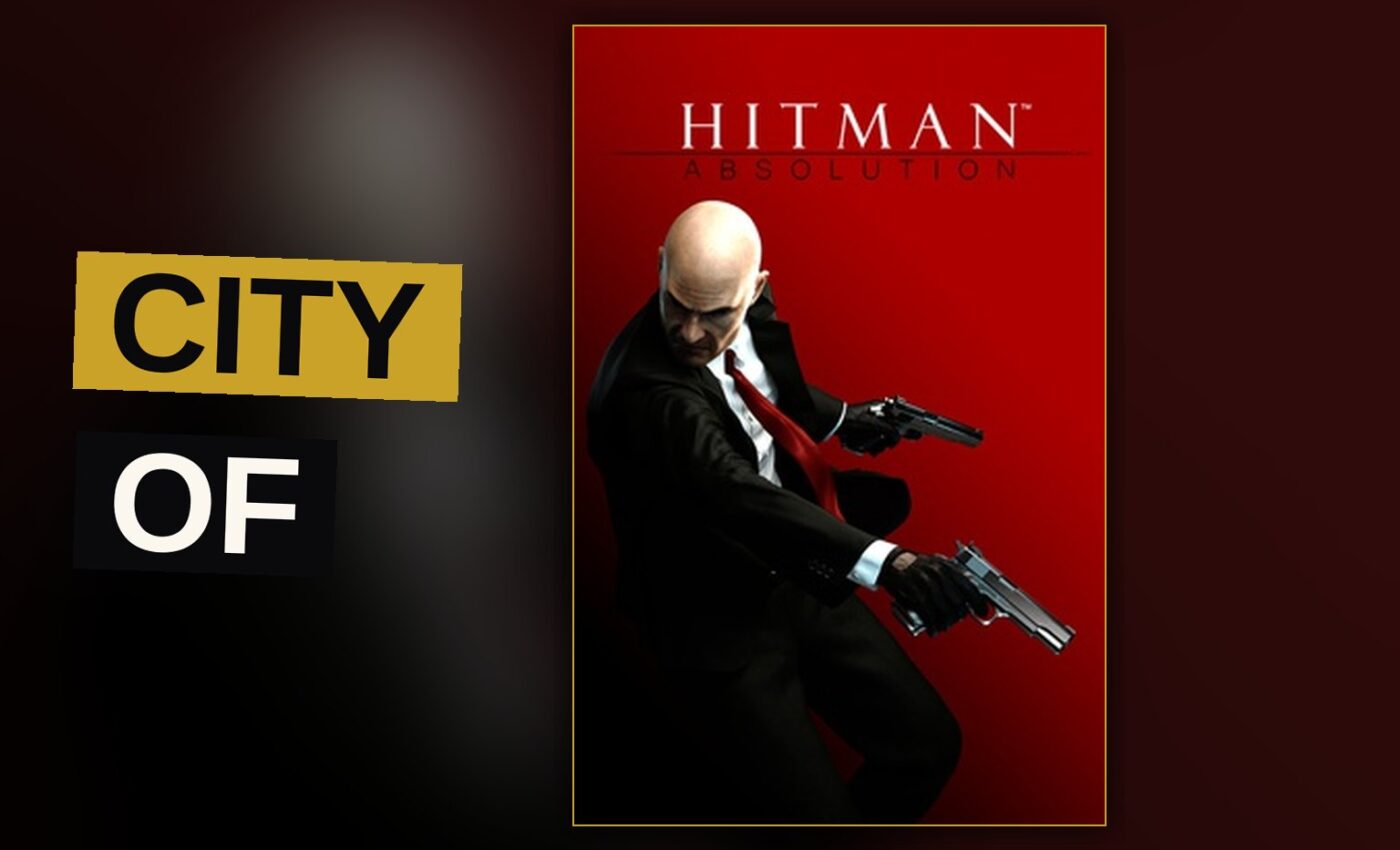
Hitman: Absolution arrives on PS3, Android, PC and iOS as the series’ attempt to shake off its quiet, methodical reputation and go loud. The result is a game that splits the difference between patient deduction and relentless action, sometimes in the same mission. It is not a perfect Hitman, but it is a confident one, and its best moments still feel like the future of the franchise.
Trailer, via GameSpot.
Chicago as a Character
The story opens with Agent 47 killing his brother, and that act sends him spiraling into a fugitive’s life. The narrative thread is thin by design — Hitman games have never been about plot — but Absolution leans harder than usual into personal stakes. The emotional weight is there, even if the writing doesn’t always know what to do with it.
What works is the setting. Chicago becomes a character in itself, a sprawling urban playground full of neon-lit streets, corporate lobbies and grimy back alleys. The city is dense enough that you can lose yourself in it, and that density pays off when you’re trying to blend in or find a new route to a target. The assignment structure itself benefits from this density: a mission that would feel cramped elsewhere gains breathing room when the city offers so many paths between point A and point B.
The Tools at Hand
Absolution introduces the Instinct system, a visual cue that highlights enemies, objects and paths relevant to your current objective. It’s a clever tool that makes the chaos of the new combat mechanics easier to manage. You can now fight your way through a mission if you want to, and the game rewards aggression with extra XP and cash.
That freedom is the game’s biggest strength. A single assignment can be solved with a sniper rifle from across town or a knife in the bathroom. The best missions let you choose the approach, and the game rarely forces you down one path. The Instinct system helps make that choice possible by cutting through the noise of a busy street or a crowded convention hall, letting you see which guard is the threat and which civilian is just a passerby.
The Missions That Work
Not every mission holds up. Some are cramped and linear, forcing you into a hallway or a small room where the open-world promise feels broken. Those moments are frustrating, especially after a mission where you’ve climbed a skyscraper or snuck through a crowded festival.
The standout assignments are the ones that trust you to improvise. A mission set in a corporate gala lets you switch identities, dress up and mingle, and the level design supports genuine stealth rather than scripted chokepoints. It’s the kind of mission that shows what Hitman can do when it stops worrying about the player and starts trusting them.
“A single assignment can be solved with a sniper rifle from across town or a knife in the bathroom.”
The Technical Divide
On PS3, the game runs at a lower frame rate and suffers from occasional pop-in. The load times are longer than they should be, and some textures don’t resolve until you’re almost standing on top of them. The PC version, by contrast, is smoother, though it requires a decent rig to keep pace with the action.
The mobile versions exist, but they feel like afterthoughts compared to the console and PC releases. They’re playable, but the touch controls don’t translate the same depth of decision-making that the other platforms offer. The mobile experience is a different game in more ways than one, and players who want the full Hitman experience will likely turn to the console or PC versions first.
What Remains
Absolution is a flawed but ambitious entry in the Hitman series. It pushes the formula further than any predecessor dared, and while not everything lands, the best missions are genuinely memorable. The Instinct system is a real improvement, and the Chicago setting gives the game a sense of place that previous entries lacked.
It’s not a masterpiece, but it’s a solid step forward for a series that had grown stale in its earlier years. The combat can be a mess, and the pacing dips in places, but the highs are high enough to justify the trip.
- The Instinct system makes chaos navigable
- Chicago is a genuinely immersive setting
- Missions like the corporate gala reward creativity
- Combat can be messy and imprecise
- The PS3 version struggles with performance issues
The game succeeds when it trusts the player and fails when it tries to control them. That tension defines every mission, and it’s why Absolution remains a worthwhile stop on the Hitman journey.
Get the Notebook.
The day's best stories and every fresh verdict, in plain English, in your inbox by seven. One email a day, no more.