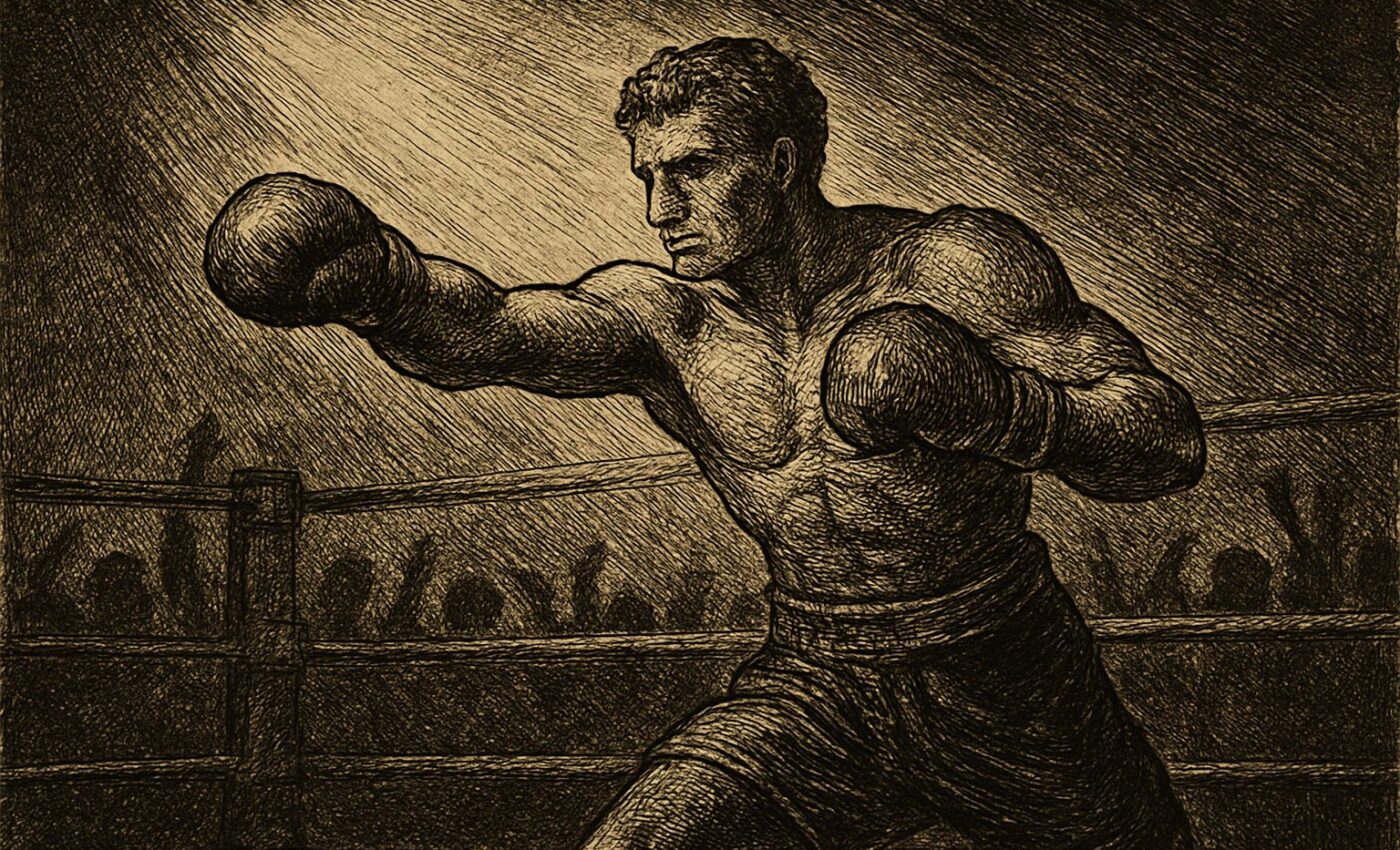
A boxer steps into the ring, and Mike Tyson’s Punch-Out!! makes clear right away that this is not a game about strength alone. It is a game about watching closely. Every fighter moves in a set way, and every set way can be learned. That single idea carries the whole contest from start to finish.
Meeting the First Fighters
The game gives each boxer a distinct look and a distinct feel. The first fighter opens things gently, but the game does not stay gentle for long. Later boxers, including a heavy one, a quick one, and one fond of show, each ask the player to watch first and act second. The order in which real trouble tends to appear runs like this:
- The first, easy fighter
- A quick fighter
- A dancer fond of show
- A wide, heavy fighter
- Bald Bull
- A fighter fond of drink
- A fighter named for sleep
- A fighter of great size and strength
- The title fighter, whose name headlines the game
By the time the player faces that last man, the game has already taught him everything needed: patience, timing, and the will to try again.
Learning the Rhythm
The controls are plain. Hits come from a few buttons, guards and side steps from a few directions. Nothing about the controls is hard to grasp. What takes work is the tiny window each fighter opens before he acts, a small motion in the eyes or a change in the shoulders that shows what comes next. Mike Tyson’s Punch-Out!! rewards close attention far more than plain haste.
That reward system holds up. Losing a match rarely feels wrong, because the cause is almost always clear once you look back at it. A missed step aside. A hit thrown too soon. The player did it, not the game.
Facing the Champion Himself
The last fight stands apart. The title fighter hits harder and faster than anyone before him, and his warning signs arrive in a tiny amount of time compared to earlier boxers. It is a brutal test of everything learned across the earlier matches, and it does not ease up for those new to it. Beating him feels earned in a way few NES games manage.
Sound and Look
The presentation is simple but clear. Audience noise, referee calls, and a cheerful count of each round keep the pace full of energy without extra noise. The look rests on bold character design rather than fine detail, and that choice has aged well. Each boxer’s manner and stance still read clearly today as they did when the game first came out.
Where the Game Comes Up Short
The game is short once its rhythms are known, and later runs rest more on learning by heart than fresh reaction. There is no depth beyond the boxing itself; no story, no side content. For some, that will read as a fault. For others, it is exactly the point.
Mike Tyson’s Punch-Out!! remains a tightly built contest between the player and a very short list of things that can go wrong. It asks for attention, punishes carelessness, and hands out satisfaction in careful doses. Few boxing games since have matched its sense of timing.