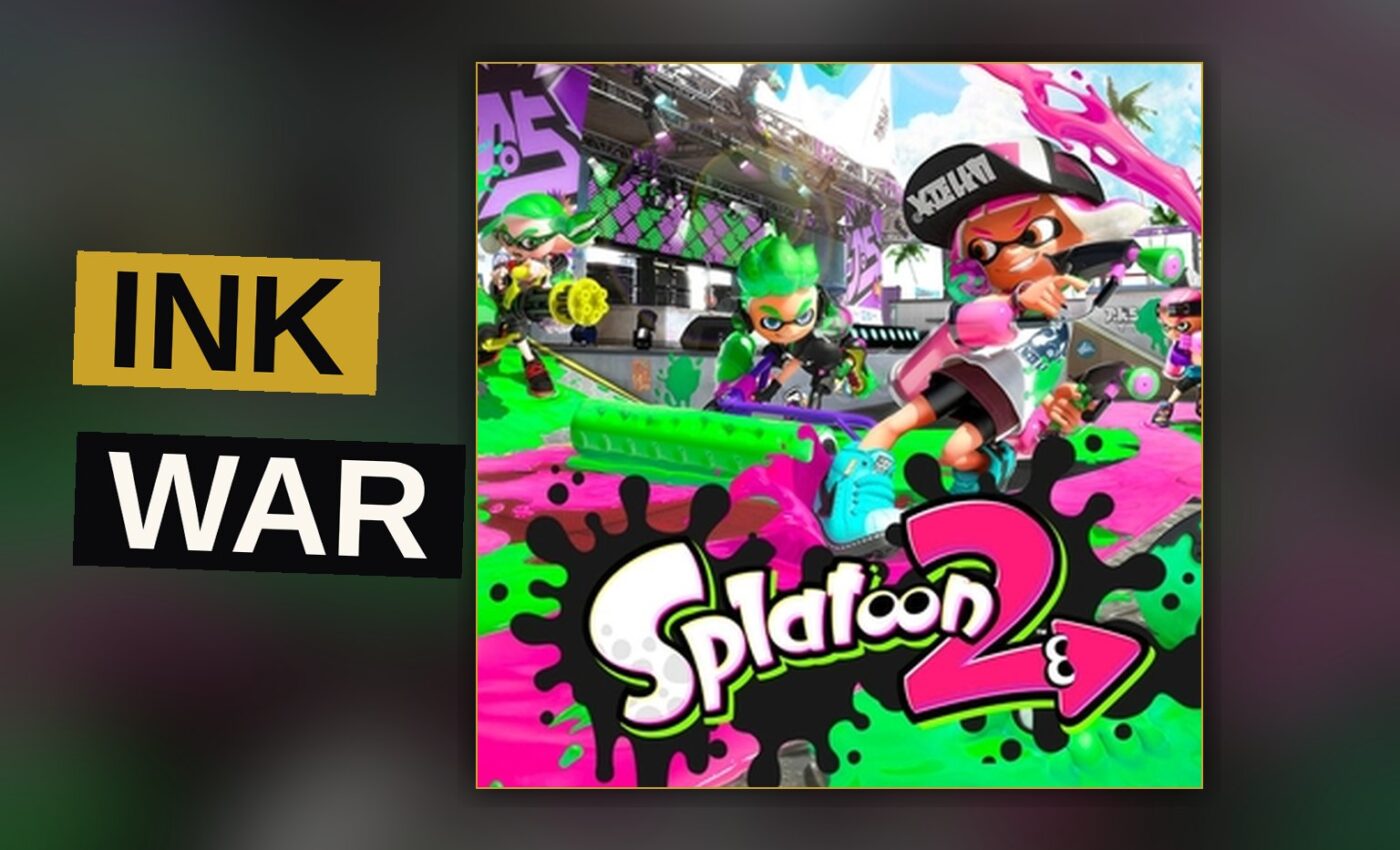
Splatoon 2 arrives on Switch with a simple promise: bigger maps, more weapons, and a mode that turns the ink war into a spectator sport. The sequel delivers on all three. It also adds a story campaign and a ranked mode that pushes players to improve week after week. This is a game built for the long haul, not a weekend fix.
Trailer, via Nintendo of America.
The Ink War Gets Bigger
The main attraction remains the ink battles that defined the original. Two teams of four squid-like agents fight across a map, painting the ground with their team color to claim territory. The goal is simple: cover more ground than the other side before time runs out. The twist is that players can switch between a human form and a small, fast squid shape mid-match, giving each round a constant sense of motion.
Maps are larger than before, with new paths and secret spots that reward exploration. Some stages feel cramped, while others offer wide-open spaces that encourage aggressive play. The variety keeps matches fresh even after dozens of hours.
Ranked Play Adds Pressure
Ranked matches are where Splatoon 2 separates itself from the original. Players earn a seasonal rank by winning matches, and those ranks carry over from season to season. Losing streaks now cost more than they used to, which means mistakes hurt harder. The system pushes players to learn map layouts and weapon strengths, and it rewards consistent performance over hot streaks.
It is a harsher system than the original’s casual mode, but it also makes the ranked ladder feel more meaningful. Progress is tracked across seasons, so a player’s best rank carries forward as a personal record.
Salmon Run Is the Star
Salmon Run is the biggest addition to Splatoon 2. In this cooperative mode, four players work together to fend off waves of enemies while collecting golden eggs. The objective changes each wave, from gathering a set number of eggs to protecting a teammate from being overwhelmed. Success earns experience points and currency that can be spent on gear, weapons, and cosmetic items.
It is a completely different kind of challenge from the standard matches. Players are not competing against each other but fighting against the game itself. The difficulty ramps up steadily, and failure teaches lessons about teamwork and positioning.
Weapons and Gear Matter
Weapon balance is a key strength of Splatoon 2. Each weapon handles differently, and choosing the right one for a map or a role can swing a match. The series’ signature paint splashes return, along with new additions like the blaster and the brella. Each weapon has a distinct feel, and mastering them takes time.
Gear also plays a role. Players can equip special items that change how a weapon behaves, from increased speed to extra range. These choices make each player’s setup unique, and they add depth to the competitive layer.
Splatfest Brings Community Together
Splatfest is a regular community event that pits two teams against each other in a battle for dominance. Teams choose a color and a theme, and the winner gains control of a public area. It is a way for players to connect with others who share their interests, and it adds a social element to the competitive scene.
The format is simple but effective. It gives players a reason to wear team colors and cheer for their side. The events run on a schedule, so players know when to join in.
The Campaign Is a Nice Side Trip
The campaign is a brief adventure that follows a group of agents trying to stop a villainous plot. It is short and mostly forgettable, but it serves as a tutorial for newcomers and a palate cleanser between matches. The storytelling is light, and the missions are easy compared to ranked play, but they offer a break from the chaos of multiplayer.
How It Compares
| Feature | Splatoon 2 | Original Splatoon |
|---|---|---|
| Maps | Larger, more varied | Smaller, simpler |
| Ranked System | Seasonal ranks, persistent progress | Casual mode only |
| Salmon Run | New cooperative mode | Not included |
| Campaign | Short, light-hearted | Not included |
Key Facts
- Platform: Nintendo Switch
- Release Date: 2017
- Mode: Multiplayer, ranked, Salmon Run, campaign
- Critical Score: 8.2/10
Splatoon 2 succeeds because it respects what worked before and builds on it. The ranked system adds weight to every win and loss, Salmon Run offers a fresh way to play, and the weapon variety keeps matches feeling new. It is not a perfect game, but it is a complete one.
The score is 8.2 out of 10.
Get the Notebook.
The day's best stories and every fresh verdict, in plain English, in your inbox by seven. One email a day, no more.