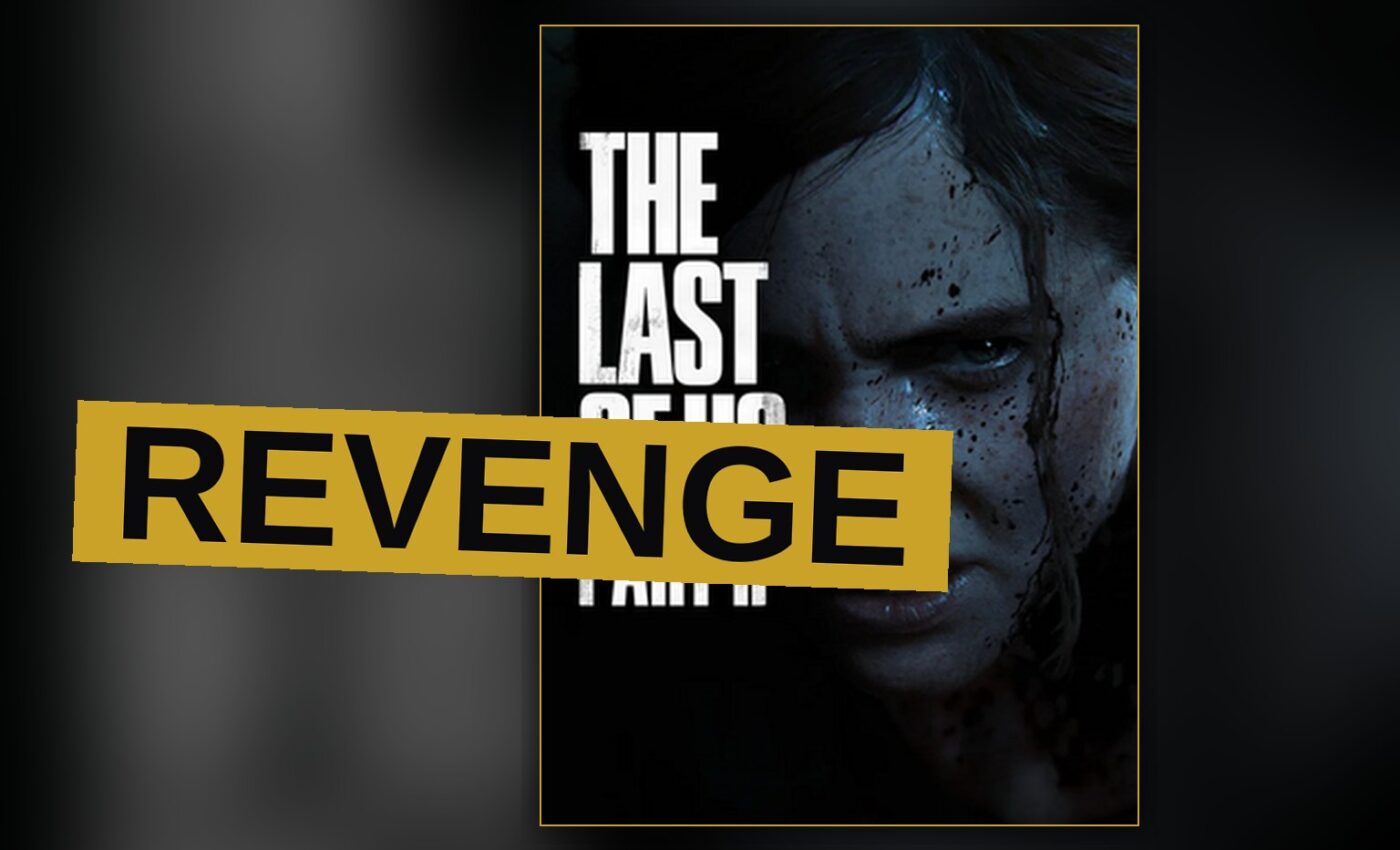
The Last of Us Part II is not a game you play. It is a game you survive. Naughty Dog’s sequel to its 2013 landmark takes the quiet, brutal world of Joel and Ellie and drags it through mud, blood, and moral ruin. It is exhausting, vicious, and often hard to like. It is also a masterpiece.
Trailer, via IGDBcom.
The Weight of Seattle
The story picks up four years after the first game. Ellie lives in Jackson with Joel, but peace is a lie. A violent act shatters her life, and she sets out for Seattle on a path of revenge. The city is a vertical graveyard, overgrown and flooded, crawling with two warring factions: the Washington Liberation Front and the Seraphites.
Every block is a tactical puzzle. You crouch through tall grass, listen for patrols, and decide who lives. The game forces you to see enemies as people. They call out names. They mourn their friends. Your kills are not numbers; they are losses.
Ellie’s Hands
Ellie moves like a predator. She can dodge, prone-crawl, and craft improvised weapons. The combat is fluid and horrifying. A brick to the face, a knife to the throat, a shotgun blast that sends a body flying. The game never flinches, and neither should you.
The stealth is generous but fair. Dogs track your scent. Enemies flank and call for backup. One mistake turns a quiet corridor into a frantic bloodbath. The tension is relentless, and the game knows exactly when to break it with a quiet conversation or a skyline view.
A Story of Two Halves
The narrative structure is a gamble. It unfolds in a deliberate order:
- The first half follows Ellie’s fury.
- The second half shifts perspective to Abby, the woman who set the plot in motion.
This is where the game divides players. You are asked to feel for the hand that struck first.
It is a hard ask. Abby’s sections are slower, more methodical, and they make you unlearn what you felt. The game is not interested in comfort. It wants you to sit in the contradiction. By the end, revenge is not sweet. It is just another scar.
The City Speaks
Seattle is the real co-star. The art direction is stunning. Rain-slicked streets, sun-bleached skyscrapers, and the eerie quiet of a dead mall. Every location tells a story of collapse. The sound design is just as sharp. A distant gunshot, the click of a clicker, the hum of a generator. It all builds a world that feels lived in and lost.
A Technical Peak
The PS5 version runs at 60 frames per second, and it is a revelation. The animation is the best in the business. Faces carry grief, rage, and exhaustion. The motion capture is so good that the line between game and cinema disappears. The load times are near instant, and the haptic feedback on the DualSense makes every punch land harder.
The Cost of It All
The Last of Us Part II is not a power fantasy. It is a study in consequence. Every death, every scream, every quiet moment of gratitude between violence is earned. The game asks if you can live with what you did. It does not offer an easy answer.
It is long, too. The campaign runs over 25 hours, and some middle chapters drag. A few pacing lulls test your patience. But the payoff is a finale that is quiet, devastating, and honest.
The Last of Us Part II is a towering achievement, even when it is hard to bear. It is art that hurts, and that is why it matters.