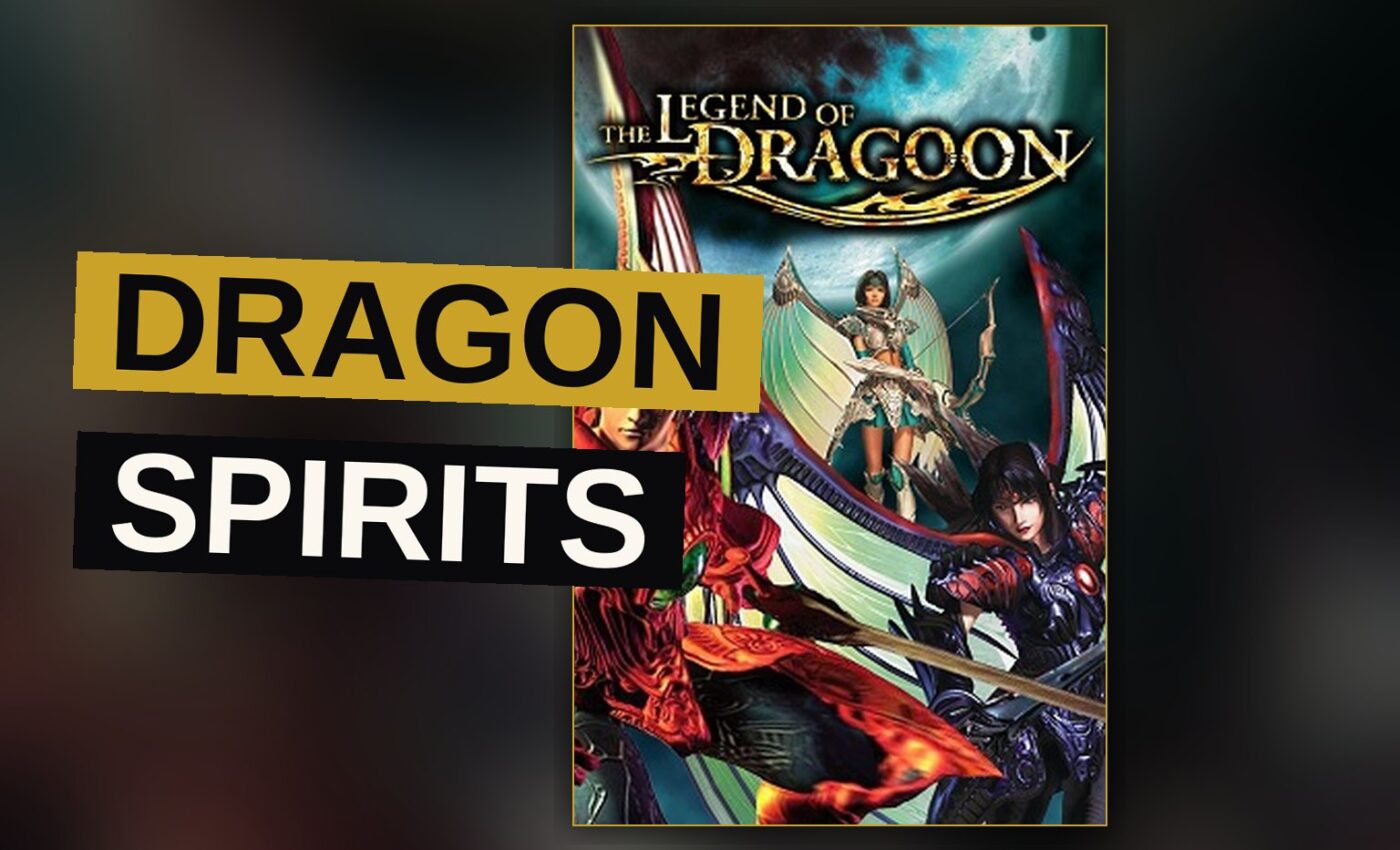
The Legend of Dragoon arrives on the original PlayStation as a quest of magic and destiny, told through the hands of twelve chosen warriors, each bound to a Dragoon spirit that grants them flight and power beyond mortal means. It is a game built around choice, chance, and the weight of decisions made in quiet moments of conversation. This review weighs those elements against each other, testing whether the story earns its reputation as one of the console’s finest adventures.
Twelve Warriors, One Destiny
The core of The Legend of Dragoon is its cast of twelve playable characters, each tied to a Dragoon spirit that determines their fighting style and special abilities. Players choose a main character at the start, and that choice shapes which allies join the party and which story paths open up. The system rewards curiosity: a second playthrough with a different lead reveals entirely new companions and scenes.
The combat system is a mix of action and strategy. Battles unfold in real time, but commands are issued in advance, and the order of attacks can change the outcome of a fight. The game also introduces a gauge that fills during combat, allowing players to unleash powerful finishing moves when the meter is full. This balance between real-time action and turn-based planning gives fights a rhythm that feels distinct from other games of its era.
The Legend of Dragoon rewards patience.
A Story Built on Choice
The narrative is where the game makes its boldest claim. Players guide their chosen warrior through villages, castles, and dungeons, making small decisions along the way that ripple outward. Who do you trust? Which path do you take? These choices alter who joins the party and what scenes unfold, creating a sense that the story belongs to the player rather than being delivered to them.
The plot itself concerns a war between nations, a prophecy about a chosen hero, and a mysterious force known as the Dark Dragon. The story leans heavily on fantasy tropes, but the writing invests real emotion in its characters. Conversations carry weight, and the game does not treat its side characters as mere tools for advancing the plot.
The pacing suffers in the middle stretch, where several dungeons feel similar to one another and the story slows down while the player gathers items and levels up. That period of leveling can test the patience of players who want constant forward motion.
Dragoons and Their Powers
Each of the twelve Dragoon spirits brings a different set of abilities to the party. Some specialize in ranged magic, others in physical attacks, and still others in support roles that heal or protect allies. Choosing a lead with a healing spirit early on changes how battles play out, since the party gains access to defensive tactics that would otherwise be absent.
The Dragoon powers themselves are the game’s standout feature. In battle, a character can summon their spirit, transforming into a winged form that deals massive damage to enemies. These transformations are animated with style, and the visual spectacle of a warrior soaring through the air while unleashing a fiery attack remains memorable even today.
The Legend of Dragoon also includes a mode where players can fight each other in a tournament-style arena, pitting their chosen Dragoon against friends or rivals. This mode adds replay value for those who finish the main story and want to test their skills against human opponents.
Sound and Presentation
The music carries real emotional weight. Themes for major set pieces, like the final boss fight, are scored with dramatic orchestration that matches the stakes on screen. The soundtrack stands as one of the game’s strongest assets, capable of shifting mood from quiet melancholy to triumphant victory.
The visuals hold up well for their time. Character models are detailed, and the game’s environments vary from lush forests to ruined castles, giving the world a sense of scale. The presentation is clean, though some textures and animations show their age, especially during long stretches of dialogue.
The Legend of Dragoon is a product of its era, and its technical limitations are visible to anyone playing it today. Frame rate drops occur during busy battles, and the game’s camera sometimes struggles to keep up with fast movement. These issues are not fatal, but they are noticeable enough to break immersion during extended play sessions.
Where It Falls Short
Not every element lands with the same force. The difficulty curve is uneven, with some bosses requiring precise timing and others feeling almost trivial by comparison. New players may find certain late-game encounters particularly punishing, especially if they did not build a balanced team around healing and protection.
The game also relies on random encounters to fill out dungeon exploration, a design choice that some players will find tedious. Walking through a forest often triggers a battle, and while these encounters reward experience points, they can slow momentum when the player wants to move toward the next story beat.
Replay Value
The Legend of Dragoon offers substantial replay value through its multiple character paths. Playing through the game again with a different lead reveals entirely new characters, branching storylines, and alternate endings. This structure encourages players to see the game from multiple perspectives, making a second playthrough feel like a fresh adventure rather than a repeat of the same content.
The arena mode adds further depth, allowing players to test their builds against each other in a separate set of challenges. This mode rewards strategic thinking, since the rules of arena combat differ from the main game’s systems.
| Element | Strength | Weakness |
|---|---|---|
| Combat System | Balanced mix of real-time and turn-based strategy | Difficulty curve is uneven |
| Story | Branching paths and meaningful choices | Mid-game pacing drags |
| Dragoon Powers | Visually spectacular summons | Some textures show age |
| Music | Dramatic and emotionally effective | Random encounters can feel tedious |
Final Verdict
The Legend of Dragoon succeeds because it commits fully to its central idea of choice-driven storytelling. The twelve warriors, the branching paths, and the replayable structure all serve the same goal: making the player feel like an active participant rather than a passive observer. Few games of its era attempted this level of interactivity, and fewer pulled it off as well.
Combat is engaging, the music is memorable, and the visual presentation holds up despite its age. The game’s weaknesses — uneven difficulty, tedious random encounters, and a mid-game slowdown — do not sink the whole project, but they do keep it from greatness.
The Legend of Dragoon earns a score of 7.4 out of 10.