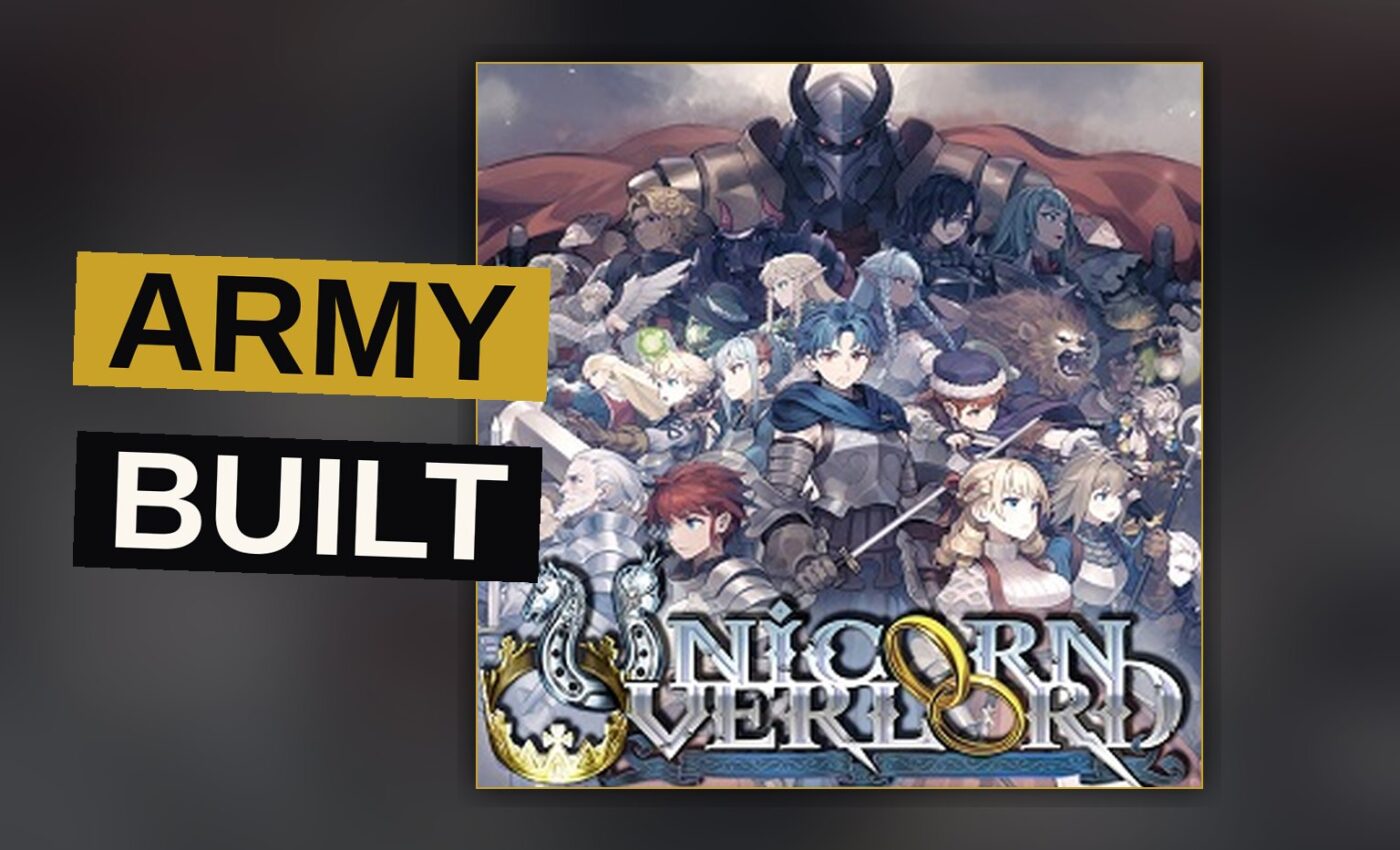
Unicorn Overlord builds an army one soldier at a time, then asks players to move that army across a map like chess pieces with hearts. The strategy game, released for PS4, PS5, Xbox Series X/S, and Switch in 2024, earns its keep through patience. It rewards careful formation building over brute force, and it mostly succeeds. The game asks a great deal from its players, but it gives back in kind once the systems click into place.
Gathering the Cast
The story sends a young royal across a fractured continent to gather allies and win back territory from an occupying empire. That setup is simple. What isn’t simple is the roster, which grows to dozens of characters players can use, each with distinct classes, skills, and personalities. Every new recruit adds another layer to the formation puzzle, and the game rarely lets a character feel like a simple copy of another.
Players don’t control units directly in battle. Instead, they build groups before combat, assign formations, and set rules for how each unit behaves once the fighting starts. Then they watch the fight play out. That handoff sounds like it could go wrong. It doesn’t. The game trusts its systems to carry the action, and that trust is mostly well placed.
Every character brings a different mix of strengths, and the game leans on those differences constantly. Some units heal. Some units strike from range. Some units exist mainly to absorb damage while the rest of the group works. Learning what each one does well takes hours, not minutes, and the game is patient about teaching those lessons through trial rather than through text.
The roster also carries personality into battle. Characters speak during fights, react to their allies, and build small relationships that show up in dialogue between missions. That attention to character makes the army feel like a company of people rather than a collection of stats. It’s a small touch, but it matters when players are spending so much time in menus.
The Formation Screen
Most of the real game happens outside battle, on the formation screen. Here players decide who stands where, what gear they carry, and what rules they follow once a fight begins. Getting a formation wrong means watching a group lose without ever touching the controller again. That can be frustrating, but it also makes every correct choice feel earned.
The depth here is the game’s strongest quality. Class combinations open new paths constantly, and the number of good setups never seems to shrink. A group built around healing and protection plays nothing like one built around speed and burst damage, and both can win the same fight for different reasons. Players who enjoy tinkering will find endless room to experiment.
This system asks a lot of the player early on. The menus are dense. The stat sheets are long. Nothing about the formation screen explains itself quickly, and new players will spend real time just reading before they act. The game does not hold hands, and that decision will turn away some players who want a faster path to action.
That patience pays off later. Once the pieces start making sense, the formation screen becomes the most rewarding part of the whole game. Setting a rule that makes a healer protect a fragile attacker, or watching a tank hold a line while archers pick off enemies from behind, feels like solving a puzzle that the game respects. The payoff is real and consistent.
Formation depth also extends to gear and items. Each character can carry equipment that changes their stats, and some gear unlocks new abilities or shifts a unit’s role entirely. Managing that inventory adds another layer of planning, and the game rewards players who pay attention to what each piece does. It’s a lot to track, but the systems hold together well.
The Field Map
Between battles, the field map asks for a different kind of attention. Towns need freeing, resources need managing, and side content is everywhere. The pace here is slower than the battles themselves, and some players will feel that difference. The map is large, and moving across it takes time.
The map rewards exploring but doesn’t force it. Players who want to push straight through the main story can. Players who want to search every corner for hidden units and gear can do that too. Both paths are valid, and the game doesn’t punish either choice harshly.
Liberated towns open up shops, quests, and new units to recruit. Skipping them means missing gear that makes later fights easier. Slowing down to clear them means longer play sessions between story beats. Neither choice is wrong, but the game leans toward rewarding the slower path. Players who take their time will find more tools at their disposal.
The map also features optional battles that test specific formation setups. These fights often require players to rethink their usual groups and try new combinations. That variety keeps the field map from feeling like a checklist, even when the player is clearing the same kinds of objectives across different regions.
Battle Pacing
Combat itself moves fast once formations are set. Fights resolve in seconds, and the result depends entirely on the preparation that came before. That structure means losses feel earned rather than random. When a group falls, it’s usually because the formation wasn’t ready for what it faced.
Watching a battle play out has a rhythm of its own. Units clash, skills trigger, and the fight ends before it has time to drag. There’s a satisfaction in seeing a formation built an hour earlier finally do its job on the field. The animations are quick, and the game keeps the pace brisk.
The game does ask for a lot of menu time before the payoff. Some players may find that trade uneven. The battles themselves take seconds. The setup that makes them work takes far longer, and that balance won’t suit every player looking for constant action. But for those who enjoy planning, the trade feels fair.
Battles also scale in difficulty as the story progresses. Later fights require tighter formations and better gear, and the game doesn’t shy away from punishing mistakes. That difficulty curve keeps the combat engaging, even when the player has mastered the basics.
Visual Style
Unicorn Overlord’s art direction favors clean, readable sprite work over dense detail. Character portraits carry most of the weight in dialogue scenes, and battle animations stay short rather than showy. It’s a style built for reading the field at a glance, not for spectacle, and that choice suits the focus of the game.
Backgrounds shift with the landscape, from open plains to forest paths to mountain passes, and each setting changes how units move and fight. The look never overwhelms the systems it’s built to support. It stays out of the way, letting the player focus on the formations and the map.
The character portraits are expressive, and the sprite work is consistent across the roster. That visual consistency helps players recognize units quickly during battle, which matters when fights resolve in seconds. The art direction serves the gameplay first, and that’s the right call for a game this dense.
Where It Falls Short
The story doesn’t reach the same heights as the systems built around it. Plot beats are plain rather than memorable, and the pace of the field map sections can drag during longer sessions. Some players may find the sheer number of menus and stats too much early on, before the formation system starts to make sense.
None of that weakens the core loop. It just means the game’s strengths sit in its systems rather than its story. The empire the young royal fights against is drawn in broad strokes. Its soldiers are obstacles more than characters. That’s a missed chance in a game that otherwise treats its own roster with real care.
The dialogue between characters is serviceable but rarely sharp. The writing doesn’t get in the way, but it also doesn’t elevate the moments between battles. Players looking for a strong narrative will find the story adequate rather than compelling. The game’s heart is clearly in its tactics.
By The Numbers
- Platforms: PS4, PS5, Xbox Series X/S, Switch
- Release year: 2024
- Genre: strategy game
- Score: 8.7 of 10
Unicorn Overlord asks for patience and rewards it in equal measure. The formation system alone justifies the time it takes to learn, even when the story around it doesn’t match the ambition of the battles it sets up. The final score stands at 8.7 of 10.
Get the Notebook.
The day's best stories and every fresh verdict, in plain English, in your inbox by seven. One email a day, no more.