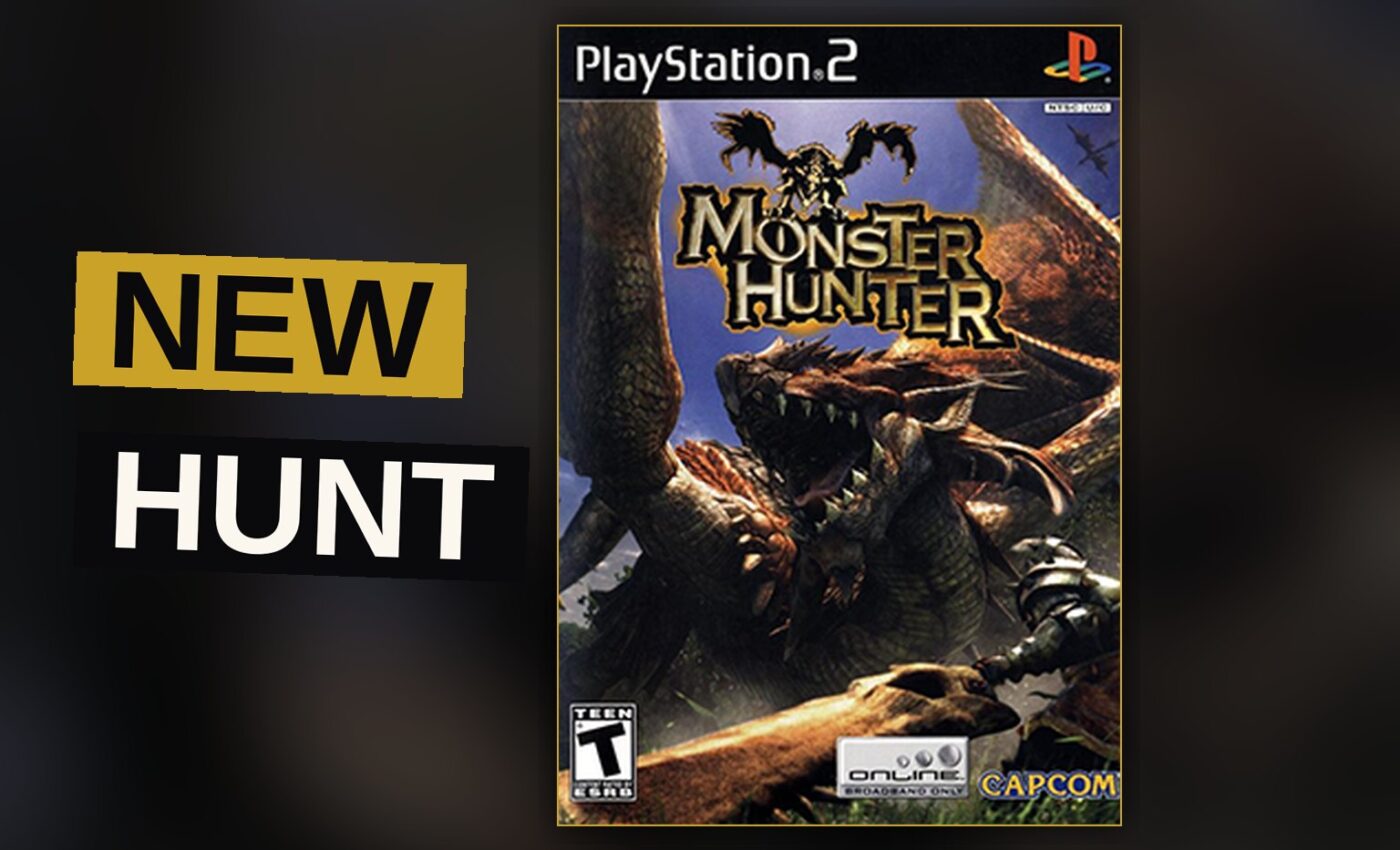
Monster Hunter: World is the game that finally makes sense of a series that has spent years hiding its best ideas behind walls of menus and grinding. It takes the core loop that fans have loved for over a decade — hunt a giant creature, carve its parts, build better gear, hunt a bigger creature — and wraps it in a living, breathing ecosystem that feels like a real place rather than a series of arenas. For newcomers, it is the friendliest entry the franchise has ever produced. For veterans, it is a refinement that respects everything that came before it.
Trailer, via IGDBcom.
Ancient Forest, Living World
The opening hours of Monster Hunter: World drop you into the Ancient Forest, a dense, vertical jungle that teems with life. Herbivores graze in clearings, small monsters scatter at your approach, and the apex predators of the zone stalk their prey with alarming intelligence. The game’s flagship monster, the Rathalos, patrols the canopy and will dive-bomb you without warning if you linger too long in the open. This is not a static hunting ground; it is a working ecosystem where every creature has a role.
The sense of place is remarkable. You can track monsters by following footprints, scratches, and mucus trails, and the game’s scoutflies guide you along the path. This removes the old frustration of wandering aimlessly for twenty minutes. The map itself is a marvel of design, with winding paths, hidden shortcuts, and climbable vines that let you pursue a fleeing monster across three distinct vertical layers. It rewards curiosity and exploration, and the world feels alive in a way that the series has never managed before.
Fourteen Ways to Hunt
The weapon roster is the heart of Monster Hunter: World, and it is as deep as ever. There are fourteen distinct weapon types, each with its own moveset, rhythm, and role in a hunt. The Great Sword is a slow, heavy hitter that rewards patience and positioning. The Insect Glaive lets you vault into the air and mount monsters from above. The Charge Blade is a complex morphing weapon that demands hours of practice to master. The Hunting Horn is a hammer that also plays buffs for your party.
- The Long Sword: fast, mobile, and forgiving, ideal for beginners
- The Bow: ranged damage with a coating system for status effects
- The Lance: a defensive wall that can block nearly anything
- The Switch Axe: a weapon that shifts between axe and sword modes mid-combo
Each weapon feels genuinely different, and learning a new one is like learning a new game. The combat itself is deliberate and weighty. Attacks have real commitment, and every swing can be interrupted if you mistime it. Monsters telegraph their moves clearly, and the game teaches you to read their tells rather than button-mash. When a hunt clicks, when you chain a dodge into a mounting strike and bring a monster crashing down, it is one of the most satisfying loops in modern gaming.
Co-op, SOS Flares, and Shared Triumph
Monster Hunter: World is built for co-op, and the multiplayer is seamless. You can fire an SOS flare mid-hunt to summon up to three other players, and the game matches you with hunters from around the world. Playing with friends is where the game shines brightest, as you coordinate traps, flash pods, and status effects to lock down a monster. The sense of shared triumph when a hunt succeeds is genuine.
| Hunt | Target | Suggested Rank | Time to Complete |
|---|---|---|---|
| The Great Jagras Hunt | Great Jagras | Low Rank | 10-15 minutes |
| Anjanath Pursuit | Anjanath | Low Rank | 15-20 minutes |
| Rathalos Assault | Rathalos | High Rank | 20-30 minutes |
| Nergigante Repel | Nergigante | High Rank | 25-35 minutes |
The game’s structure is simple: complete quests, hunt monsters, forge gear. But the loop is addictive, and the progression is clear. Every hunt gives you materials that unlock new armor skills and weapon upgrades. The endgame adds tempered monsters, which hit harder and drop rare decorations for optimizing your build. There is always another goal to chase, and the game respects your time by letting you fast-travel between camps and skip cutscenes after the first viewing.
Rough Edges in the Grind
Monster Hunter: World is not perfect. The story is thin, a forgettable plot about an Elder Dragon migration that serves only to push you from one locale to the next. The dialogue is stiff, and the characters are ciphers. The game also has a steep difficulty curve in the high-rank hunts, where monsters like Nergigante and Teostra can one-shot an undergeared hunter. That is part of the appeal, but it can be punishing for solo players who do not want to matchmake.
The grind is real. Some rare materials have drop rates that will test your patience, and farming the same monster ten times for a single gem is a familiar frustration. The game mitigates this with investigations, which offer better rewards for specific conditions, but the RNG can still sting. The PC version launched with some technical issues, including frame rate drops and connectivity problems, though most have been patched since. The console versions are the more polished experience.
A New Standard
Monster Hunter: World is a landmark for the series and for action RPGs as a whole. It takes a niche franchise and makes it accessible without diluting what made it special. The world is a joy to explore, the combat is deep and rewarding, and the multiplayer is the best the series has ever offered. It is a game that respects your intelligence and rewards your effort.
The game’s success is no accident. It became the best-selling title in Capcom’s history at the time. That success is deserved. Monster Hunter: World is not just a great entry in a long-running series; it is a great game, full stop.
It has its rough edges, and the grind will not suit everyone. But for those who embrace its systems, it offers hundreds of hours of memorable hunts.
Get the Notebook.
The day's best stories and every fresh verdict, in plain English, in your inbox by seven. One email a day, no more.