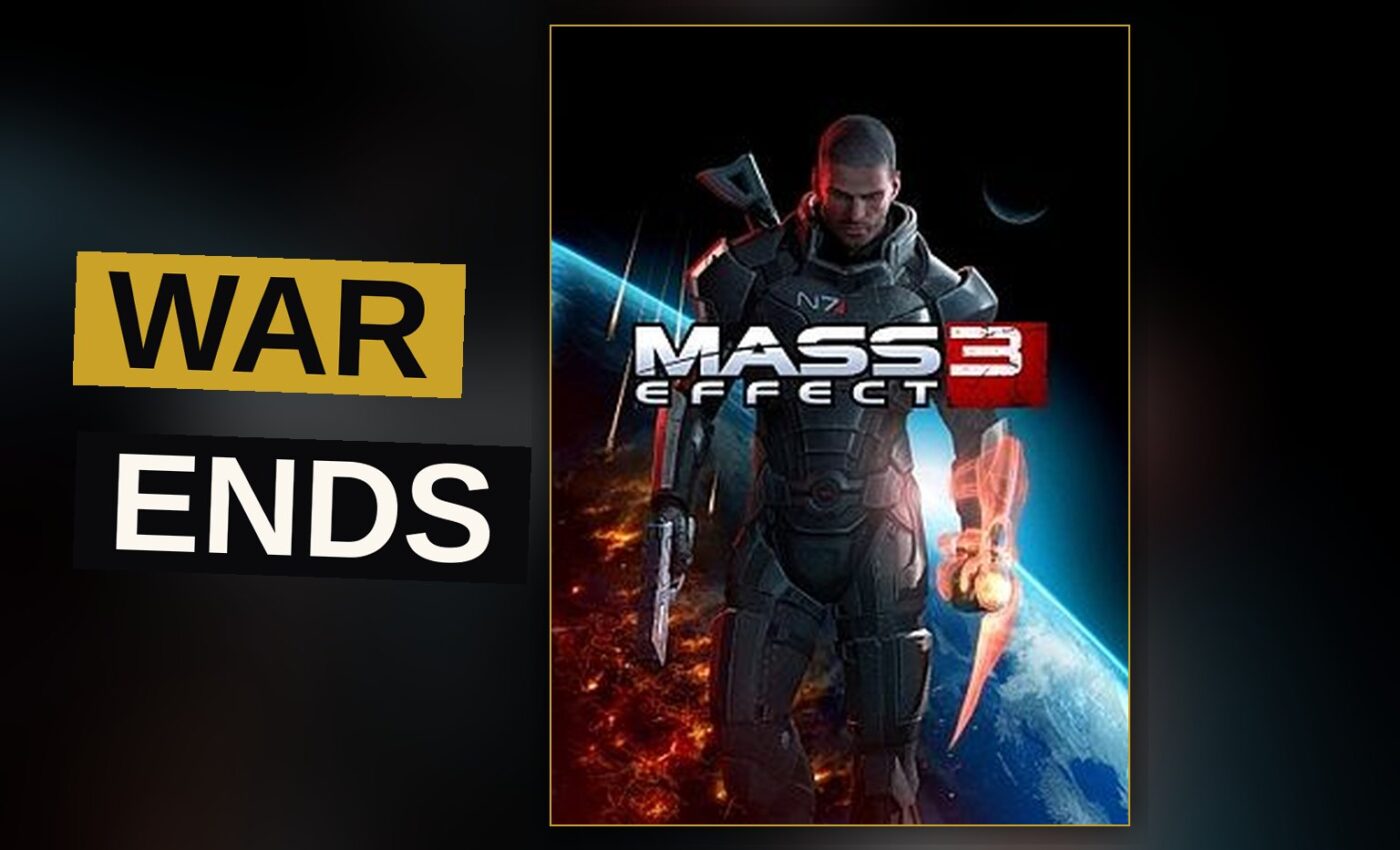
Mass Effect 3 ends a trilogy the way few games dare: by asking the player to pay for every choice they ever made. BioWare’s 2012 action role-playing game sends Commander Shepard back to a galaxy that has run out of time. The Reapers hit Earth first, then everywhere else. What follows is not a hunt for a weapon. It is a hunt for allies, and the game never lets you forget that the two are not the same thing.
The Reapers Reach Earth in 2186
The setup is brutal and efficient. The Reapers — a machine race of synthetic-organic starships that wipes out organic civilization every 50,000 years — invade in 2186, six months after the events of Mass Effect 2. Earth’s defenses fall almost at once. Shepard escapes aboard the Normandy SR-2 and is handed the only plan anyone has: rally the galaxy’s civilizations into one military force and finish the Crucible, a Prothean superweapon that may be able to stop the Reapers. May. The game’s central tension lives in that word.
The old conflicts do not pause for the apocalypse. The krogan face extinction from the genophage, the salarian-designed bioweapon the turians deployed to contain them. The quarians are preparing to retake their homeworld from the geth. Cerberus, the human supremacist organization, is working to undermine the alliance at every turn. Shepard has to settle these arguments before any fleet holds together, and the game is honest about the cost of each settlement.
James Vega and EDI Join the Squad
BioWare brings in new faces without clearing the deck. James Vega, a soldier, joins as a straightforward combat presence. EDI, the AI who spent two games as a voice on the ship, gets a physical body and a place on the ground. Returning squad members fill out the rest, and who survives depends on what the player did — in this game and in the last one.
Importing a completed Mass Effect 2 save carries those earlier decisions forward and changes the plot. That is the trilogy’s best trick, and Mass Effect 3 uses it hardest. The roster varies. The consequences do not.
Combat, Classes and the Crucible
The shooting stays cover-based and third-person, but the systems underneath it got sharper. Players choose from six classes, each with its own skill tree. The Infiltrator leans on stealth and sniping; biotics-inclined classes throw psychokinetic powers. Squad-based tactics matter, because biotic and tech abilities combine — one squadmate primes a target, another detonates it. Blind fire and enhanced melee fill the gaps when a fight collapses into a scramble.
Three campaign modes let players set the terms:
- Action Mode: automatic conversation replies, normal combat difficulty
- Story Mode: manual replies, minimal combat difficulty
- RPG Mode: manual replies, normal combat difficulty
Weapons take ammo types, barrels, modifications and scopes. Kinect owners can speak customization choices instead of selecting them. Beating the game unlocks New Game+, which lets Shepard restart with bonuses and further upgrade weapons.
Multiplayer Feeds the Single-Player War
The cooperative mode puts up to four players against waves of enemies to liberate conflict zones. It is not a side attraction. Progress there contributes to war preparedness in the campaign, which means the multiplayer is load-bearing in a way most add-ons are not. A Wii U version, Mass Effect 3: Special Edition, arrived on November 18, 2012 as a launch title and supported Nintendo Network features for multiplayer.
The score, written by multiple composers, splits the difference between Mass Effect 2’s orchestral sound and the synthesizer-driven first game. It is a deliberate choice, and it mostly lands.
What Holds and What Doesn’t
The alliance-building is the best material BioWare has written. Curing the genophage and settling the Quarian-Geth war are not side quests; they are the spine, and the game treats each resolution as a debt someone will collect later. Cerberus works as pressure rather than as a faction, which keeps the focus where it belongs.
The multiplayer integration is the part worth watching. Tying war preparedness to co-op waves means players who want the strongest possible ending may feel pushed into a mode they did not ask for. That is a real design gamble, and it is the one place Mass Effect 3 lets its structure intrude on its story.
The combat is the most refined in the series. Power combinations give squad commands actual weight, and the class differences change how a fight reads, not just how it plays. The campaign modes are a smart accommodation — Story Mode in particular lets players who came for the narrative skip the parts they don’t.
Where the game stumbles is in the final stretch, where the weight of three games’ worth of choices has to resolve into something. The ambition is enormous. The execution is uneven. That gap is what people argued about in 2012, and it is still the honest criticism to make.
None of it undoes the achievement. Mass Effect 3 is a rare sequel that treats its own history as a resource rather than a marketing point, and it asks the player to live with the galaxy they built. The Reapers were always going to be the easy part. The krogan, the quarians, the geth — those were the hard part, and BioWare knew it.
Get the Notebook.
The day's best stories and every fresh verdict, in plain English, in your inbox by seven. One email a day, no more.