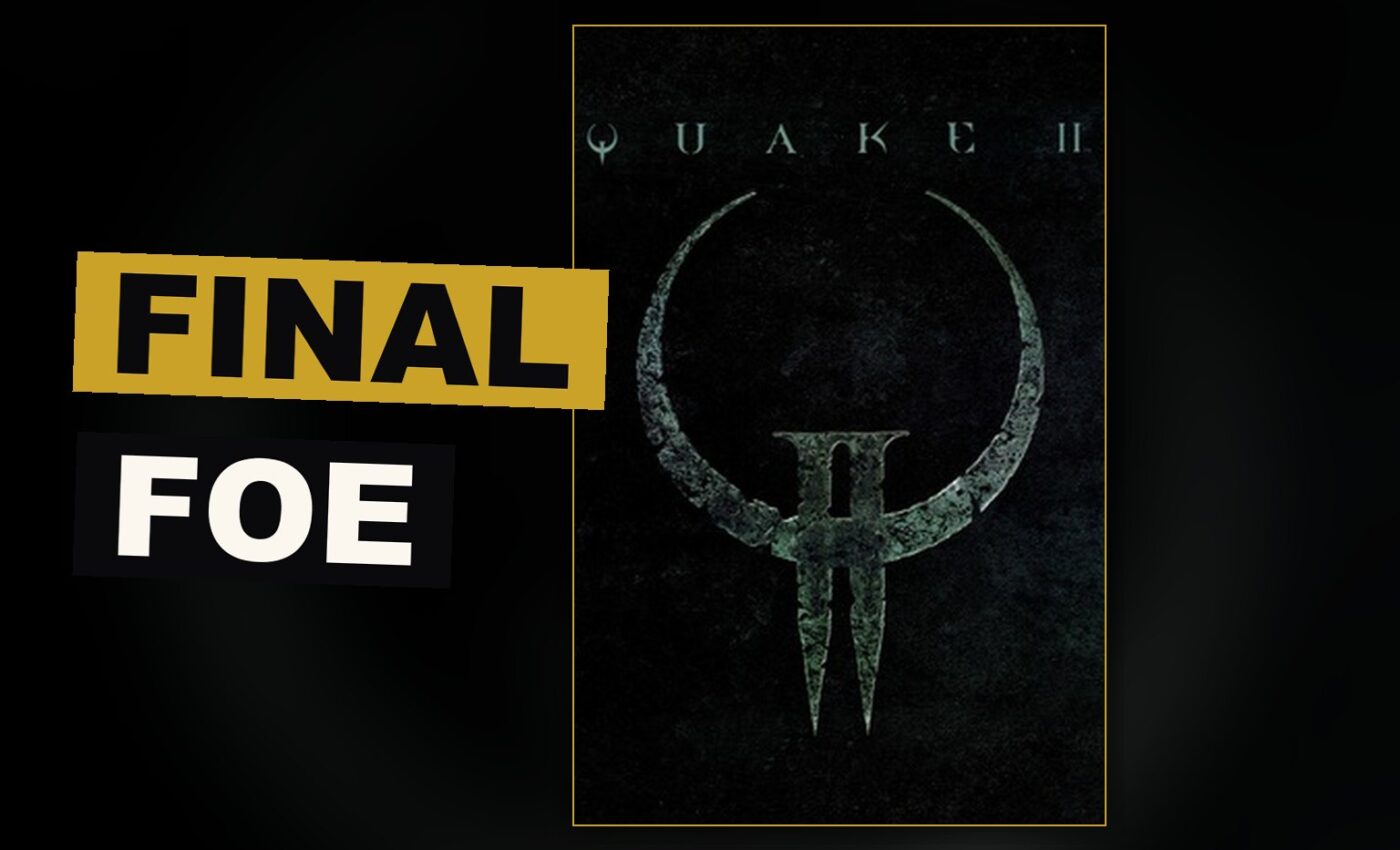
Quake II arrives on the Nintendo 64 as a new build of the PC shooter, made for a game controller instead of a keyboard. The port changes some of the original’s order but keeps the core idea: fight through an alien world, level by level, gun in hand. It lands with a score of 8.1 out of 10 from user raters online, a solid mark for a shooter on the system at the time.
The Change
The Nintendo 64 version does not simply copy the PC campaign. It changes the order of missions, adds new floor plans, and cuts some content to fit the cartridge. The picture’s pace holds steady through most gun battles, even when the screen fills with foes and noise.
Controls take some getting used to. The N64 controller was not built with this kind of shooter in mind, and Quake II asks players to aim, turn and fire all at once. The game manages a fair system despite that, using the control stick for steps and the C buttons for looking around.
Level Order
The campaign moves through a series of clear settings, each with its own foes and pace. Below is the rough order players move through:
| Stage | Setting | Focus |
|---|---|---|
| Early | Metal works | Introduces plain foes and guns |
| Mid | Buried base | Tighter halls, sudden attacks |
| Later middle | Alien halls | Larger open rooms |
| Late | Command center | Bigger foe waves |
| Final | Core chamber | Final foe fight |
This order keeps the pace moving without long spells of the same fight again and again. Each stage brings something new, whether a gun, a foe type or a change in level plan.
Guns and Fighting
The full set of guns carries over from the PC original with only small changes. Players start with a small side arm and work up through shotguns, a gun that strikes from great distance and strong guns that fire with great force. Fighting rewards moving — standing still gets a player killed fast.
Foe types help keep fights from feeling all alike:
- Small foes that rush in groups
- Armored soldiers that fire from afar
- Flying foes that attack from above
- Large, hard foes near the end of stages
- A final foe fight that tests every gun a player holds
The game does not give the player too much too soon. Guns come one at a time, giving each new one room to matter before the next shows up.
Look and Sound
Quake II on Nintendo 64 trades some fine detail for smoother play, a common trade for shooters on this system at the time. Light effects that marked the PC version stay in a plainer form, still giving rooms and halls a sense of mood. Player and foe models look rough by later standards, but they read clearly while moving.
The sound design keeps the same metal, mechanical tone as the original. Gun sounds carry weight, and the far off noise in each stage helps warn of danger before it can be seen.
Play With Others
The N64 version also lets players face off against each other on one screen. This was a strong feature for a shooter of this kind on the system. It does not match the depth of PC play with others at the time, but it gives the cartridge more life past the main campaign.
The picture’s pace can drop when the screen is shared and the action is heavy. Even so, the mode holds up as a real gain, not a small extra added at the end.
Where It Falls Short
The port is not free of rough spots. View distance is short, and some levels show new walls and floors appear late as a player nears them. Waits between rooms can break the pace of an otherwise fast game.
Players who know the PC original well may notice the new mission order and miss parts from that version. The N64 cartridge simply cannot hold every piece of the PC campaign.
The user raters’ verdict does not claim the cartridge matches the PC campaign part for part. It marks Quake II on Nintendo 64 as a rough, mean shooter that earned its own place among the console’s library, gun in hand, foe after foe, long after the PC original had moved on.