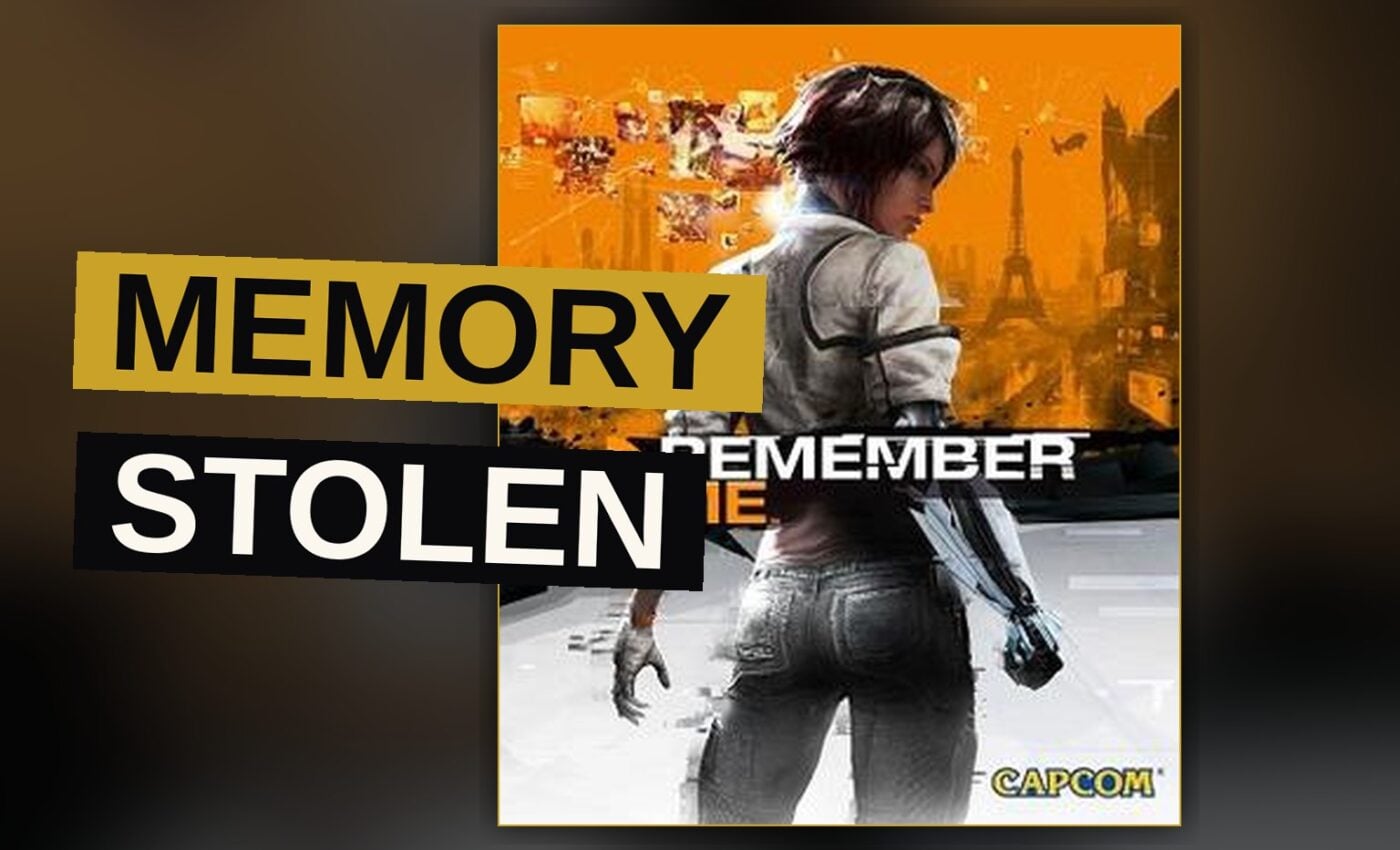
Remember Me asks players to live through a memory thief who steals the minds of other people. That premise carries a lot of weight, and the game spends most of its time trying to justify the stakes of that job. It mostly succeeds, even when the systems holding it together feel dated.
Trailer, via Capcom USA.
Memory Theft As Story
The core idea is simple: a person whose memories are taken loses their identity, and the thief who takes them gains power over the city. The game treats this exchange as a moral question, not just a plot device, and the script leans on it heavily. It works best when the story stays focused on the characters involved, and weakest when it tries to explain the science behind the theft.
Fighting Through The City
Fights happen in a neon-lit city full of narrow streets and tall buildings. Players move between walls, slide down railings, and strike enemies with combos. The combat is solid but familiar, built on timing and button presses that reward quick hands over deep strategy. It holds up as a way to move through levels, less as a reason to stay engaged.
The World Around The Theft
The setting is a near-future Paris, built with sharp angles and bright colors. The world is detailed enough to support the story, though some areas look similar after a while. Side missions fill out the city, giving players small jobs between the main story beats.
Where The Game Struggles
The pacing drags in the middle portion, where side content and repeated combat can make the main plot feel distant. Some enemy types repeat across levels, and the difficulty dips in places that feel like filler rather than challenge. The game also relies on quick-time events during boss fights, a design choice that can break the flow of otherwise smooth combat.
What Works
- The voice acting sells the emotional weight of the theft
- The city’s design gives the story room to breathe
- The opening hours build real tension around the main character’s past
- The action systems are tight and responsive
A Premise Worth Its Weight
Remember Me’s biggest strength is its premise, and it is carried by performances that sell the stakes of having one’s memories stolen. The technical parts, from combat to pacing, don’t always keep up, but the game’s central idea is strong enough to pull it through.
Remember Me is a game that knows what it wants to say about identity and memory, even when the systems carrying that message feel worn. Worth playing for the story, worth tolerating for the repetition.
Get the Notebook.
The day's best stories and every fresh verdict, in plain English, in your inbox by seven. One email a day, no more.