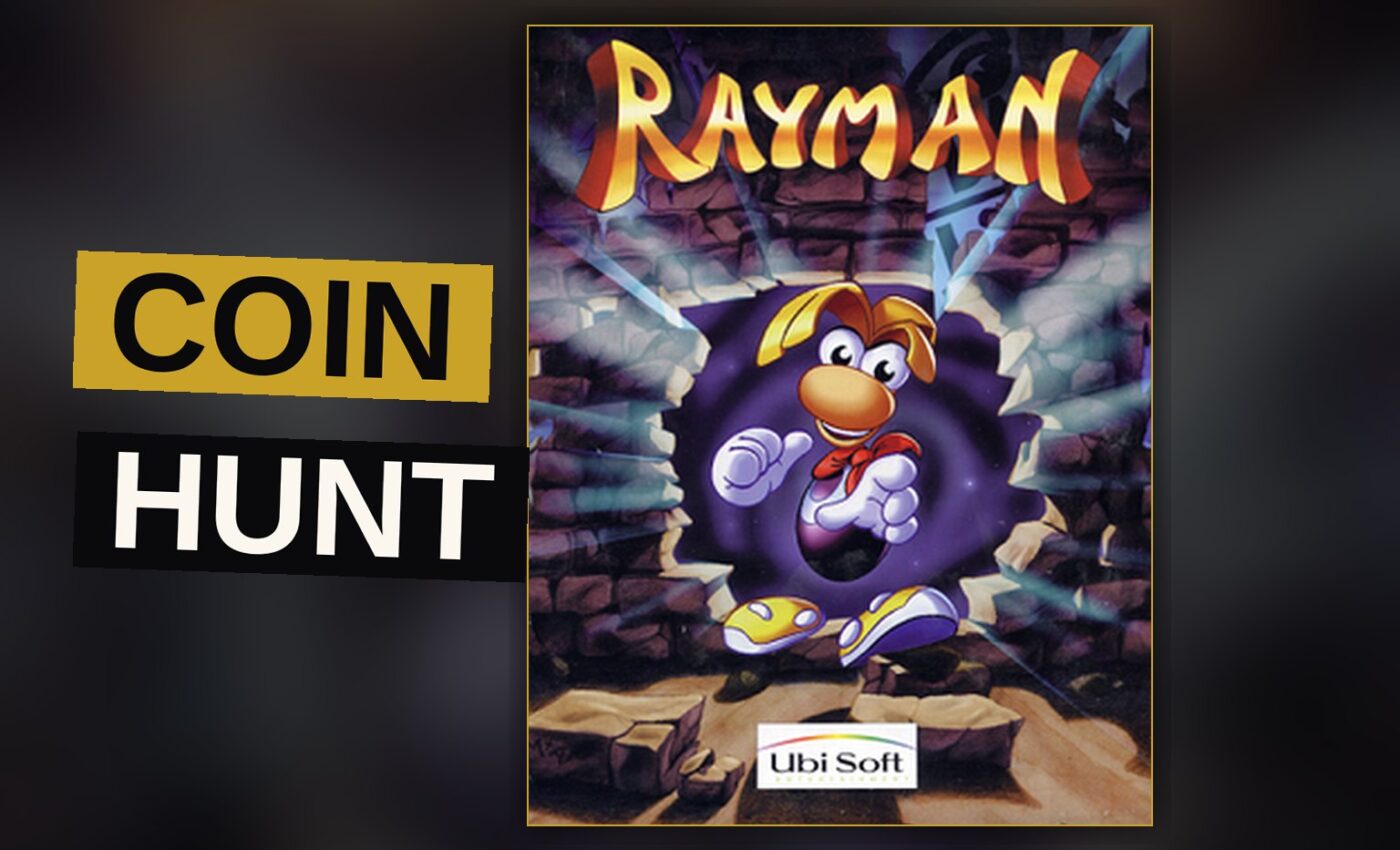
The Great Protoon is gone, and Rayman’s valley has come apart. Ubi Soft’s side-scrolling platformer, released for the PlayStation on 7 September 1995, sends its hero after Mr. Dark to get it back.
Mr. Dark and the Scattered Electoons
Rayman lives in a valley kept in balance by the Great Protoon, a magical orb that lets nature and its people live in harmony. Mr. Dark steals it and defeats Betilla the Fairy, its guardian. The Electoons that orbited the Protoon scatter, and villains imprison many of them. At Betilla’s request, Rayman sets out to recover the orb and free the captured Electoons.
Six Worlds, Six Cages
Rayman is a side-scroller across six thematic worlds, with a boss waiting at the end of each. Every level hides six cages of Electoons to free. Blue crystals, called Tings, buy an extra life at 100.
- Five lives, then a reload or a restart.
- New powers: flight, running, hanging from platforms.
- The telescopic fist, for grabbing and punching distant enemies.
Rescuing every Electoon in the first five worlds opens the Candy Château, Mr. Dark’s hideout and the final fight.
Michel Ancel and the Atari Jaguar
Michel Ancel conceived Rayman as a teenager and got the chance to build it after Ubi Soft hired him in 1989. The game first targeted the Atari ST, then the Super NES CD-ROM, before moving to the Atari Jaguar when that peripheral was cancelled. Ubi Soft made Rayman a PlayStation launch title in North America and Europe to take on Japanese platformers on the console.
Betilla’s Guidance, Mr. Dark’s Trap
Mr. Dark watches as Betilla guides Rayman through his quest, then kidnaps her. Rayman retrieves all the Electoons and confronts Mr. Dark in the Candy Château. Mr. Dark takes away Rayman’s telescopic fist and traps him between walls of fire that close in on him. The Electoons return the fist at the last moment.
The Fist That Comes Back
That rescue is the ending’s best move, and it earns the setup. Rayman beats Mr. Dark and retrieves the Great Protoon. The epilogue sends him on vacation with his friends and former enemies.
The complaints about difficulty and familiarity are fair. Losing five lives and reloading is a blunt punishment, and the game does not reinvent the genre it competes in. What holds up is the atmosphere, the visuals and the soundtrack — the parts Ubi Soft built with real care.
Get the Notebook.
The day's best stories and every fresh verdict, in plain English, in your inbox by seven. One email a day, no more.