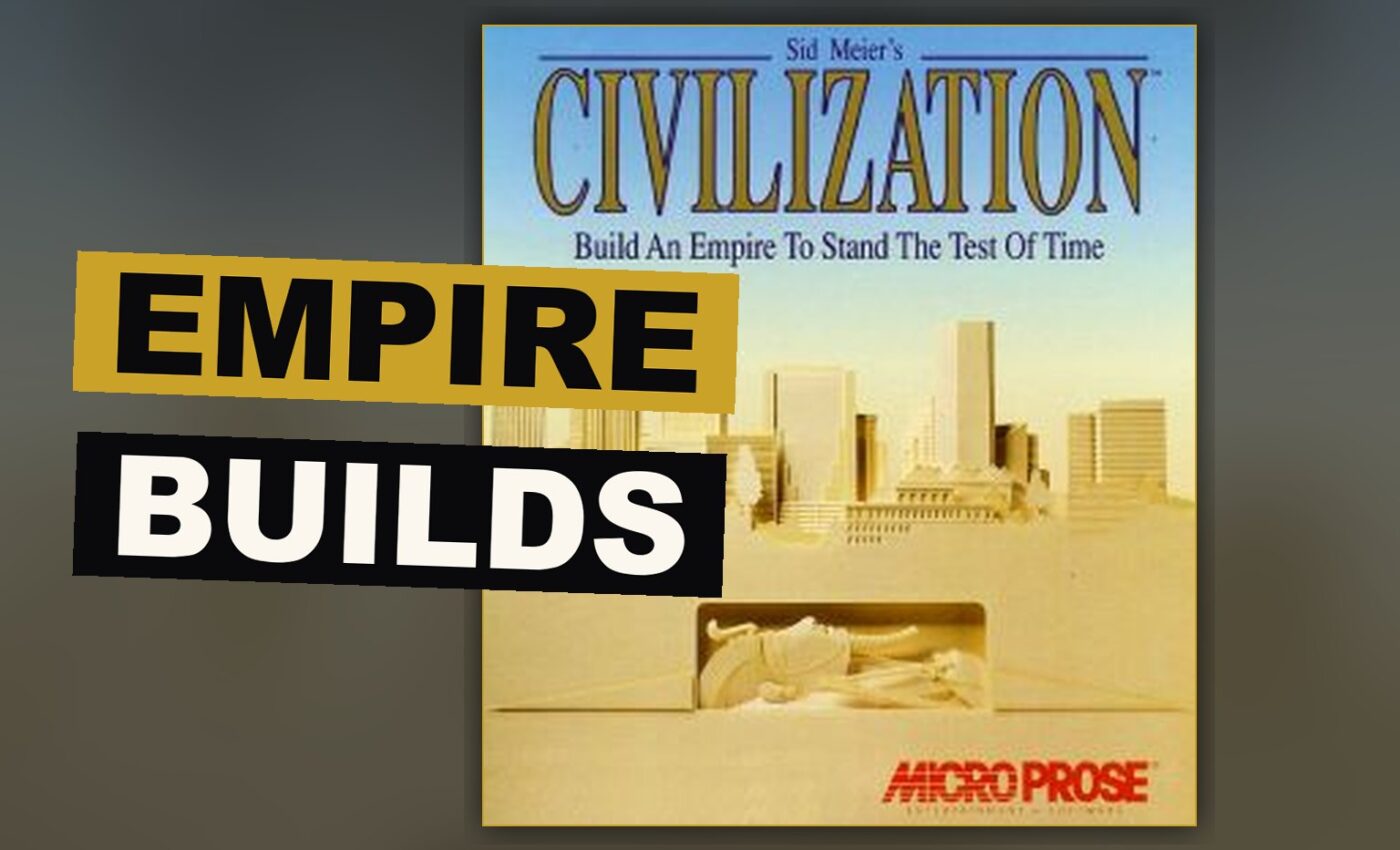
Sid Meier’s Civilization, released by MicroProse in 1991, is one of the most influential computer games ever made, and unlike most influential things it is still worth playing. It was developed for MS-DOS and revised for many platforms afterward, and every version carries the same idea: you lead a human civilization across several millennia, and every decision is yours.
One More Turn
Civilization is a turn-based strategy game. You control urban development, exploration, government, trade, research and the military. You move individual units, settle and conquer the world’s map, set your form of government, your tax rates and your research priorities. Other civilizations, run by the computer, compete with you, and diplomacy with them can end in an alliance or a war.
That list sounds like a spreadsheet. The genius of Sid Meier and Bruce Shelley’s design is that it never plays like one. Every turn opens a small question, and the small questions add up to an empire before you notice the sun has come up.
The 4X Blueprint
The game established what is now called the 4X genre: explore, expand, exploit and exterminate. It did so with almost no fat. Later games in the genre added layers, and some of those layers are good, but the 1991 original shows how little you need. A single city, a single unit and a decision about what to build next is a complete game.
Where It Came From
Meier and Shelley built it after the successes of Silent Service, Sid Meier’s Pirates! and Railroad Tycoon, and you can feel the confidence of designers who had already learned how to make systems talk to each other. It sold 1.5 million copies, and it has been called one of the greatest video games ever made by several publications. Teachers found it useful, too. It has been deemed pedagogically valuable for the way it presents historical relationships.
The Console Versions
The game’s many revisions for other platforms, including consoles, are the same design under a different interface. Playing it with a controller costs some speed, and the console screens are cramped compared with a PC monitor. The design survives anyway, because the design was never about the interface.
Where It Shows Its Age
The computer opponents are simple. Diplomacy is a handful of options, and a rival civilization’s behavior is easy to read after a few games. The endgame drags, as it does in every entry in the genre, and the later stretches of a winning game are administration rather than play. A multiplayer remake, Sid Meier’s CivNet, arrived in 1995 to address the game’s biggest omission, which was other people.
The Verdict
Civilization is the reason a whole genre exists, and it is still the clearest statement of what that genre is for. It asks you to run history and then makes you care about a single road.
Get the Notebook.
The day's best stories and every fresh verdict, in plain English, in your inbox by seven. One email a day, no more.