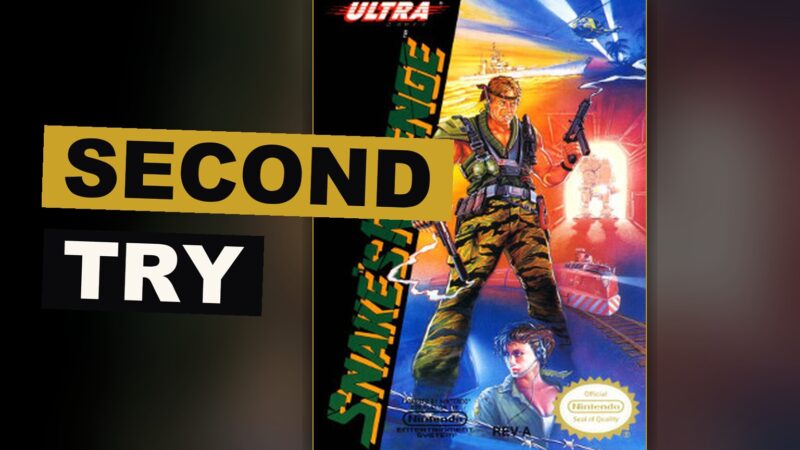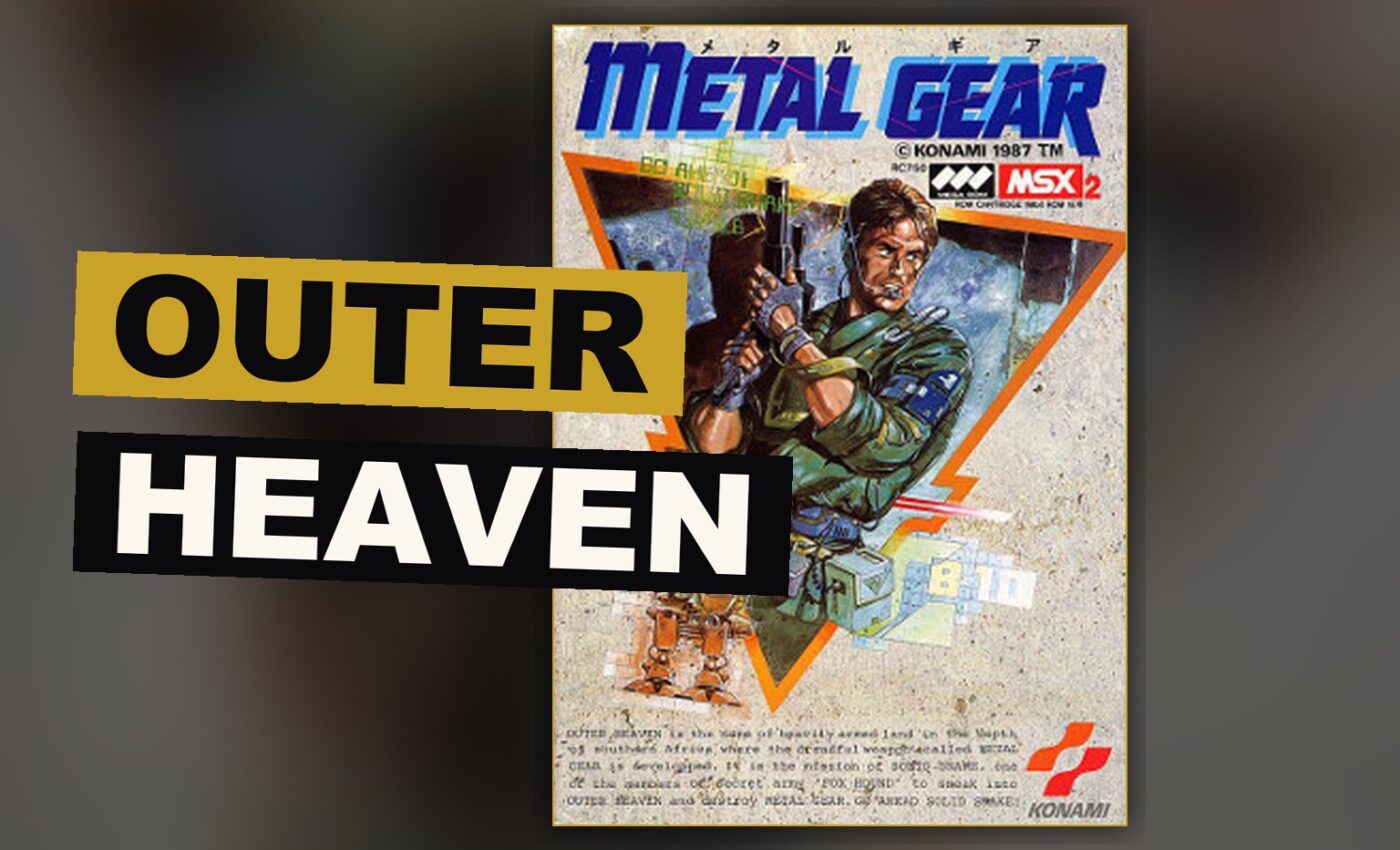
Metal Gear puts a soldier alone behind enemy lines, told to avoid a fight rather than start one, and that single idea still carries the game today. Players guide the main character through a fortress called Outer Heaven, staying out of sight instead of shooting through it. The choice to reward quiet over force set Metal Gear apart from most action titles on the NES.
The Quiet Idea
The core design asks players to watch how guards move, time their steps and stay unseen. Alarms bring waves of enemies, and a player caught in the open often loses more than they gain. That balance between hiding out and pushing forward gives the game its identity.
Fighting exists, but it is not the point. Items and gear are tools for staying alive, not for clearing rooms. The game keeps drawing players back toward care and patience.
Finding the Way
Outer Heaven is a puzzle of rooms and doors, and the game does little to explain where to go next. Progress often depends on radio contact with characters who give hints, some useful and some hard to follow. Without those hints, players can lose long periods of time with no clear goal.
This is where Metal Gear shows its age. Players often return to rooms already cleared, and certain paths sit behind walls with no marking or require items found far from where they are needed. The difficulty is not in quick hands but in finding the right path, and that change will frustrate players used to clearer direction.
Here is what stands out most:
- The stealth design itself, still the game’s clearest achievement.
- The radio conversations, which give the fortress a voice even when they puzzle.
- The boss fights, which break the quiet pace with sudden danger.
- The winding arrangement of the fortress, the game’s weakest point.
Sound and Feel
The music matches the mood of a quiet mission, tight in short pieces rather than constant. Sound effects mark danger clearly enough that players learn to react by ear as much as by sight. Little else in the presentation stands out, but the game does not need much more.
Metal Gear is short by modern standards, and a skilled player can finish it in a single sitting. That short length works in its favor. The game does not draw its idea out too far, and it ends before the fortress’s rough patches tire the player.
Few NES games asked players to avoid a fight instead of seeking one. Metal Gear did, and it did so with a clear enough idea that it earned forgiveness for the awkward moments around it. The rough edges are part of its history rather than reasons to set it aside.
Metal Gear remains worth playing for its idea more than its execution. Its stealth systems came before a whole style of game that would grow far beyond it, and this first mission still holds a place as the starting point for that line of games. The doubtful paths and thin guidance keep it from greatness, but the design ambition behind it is unmistakable.