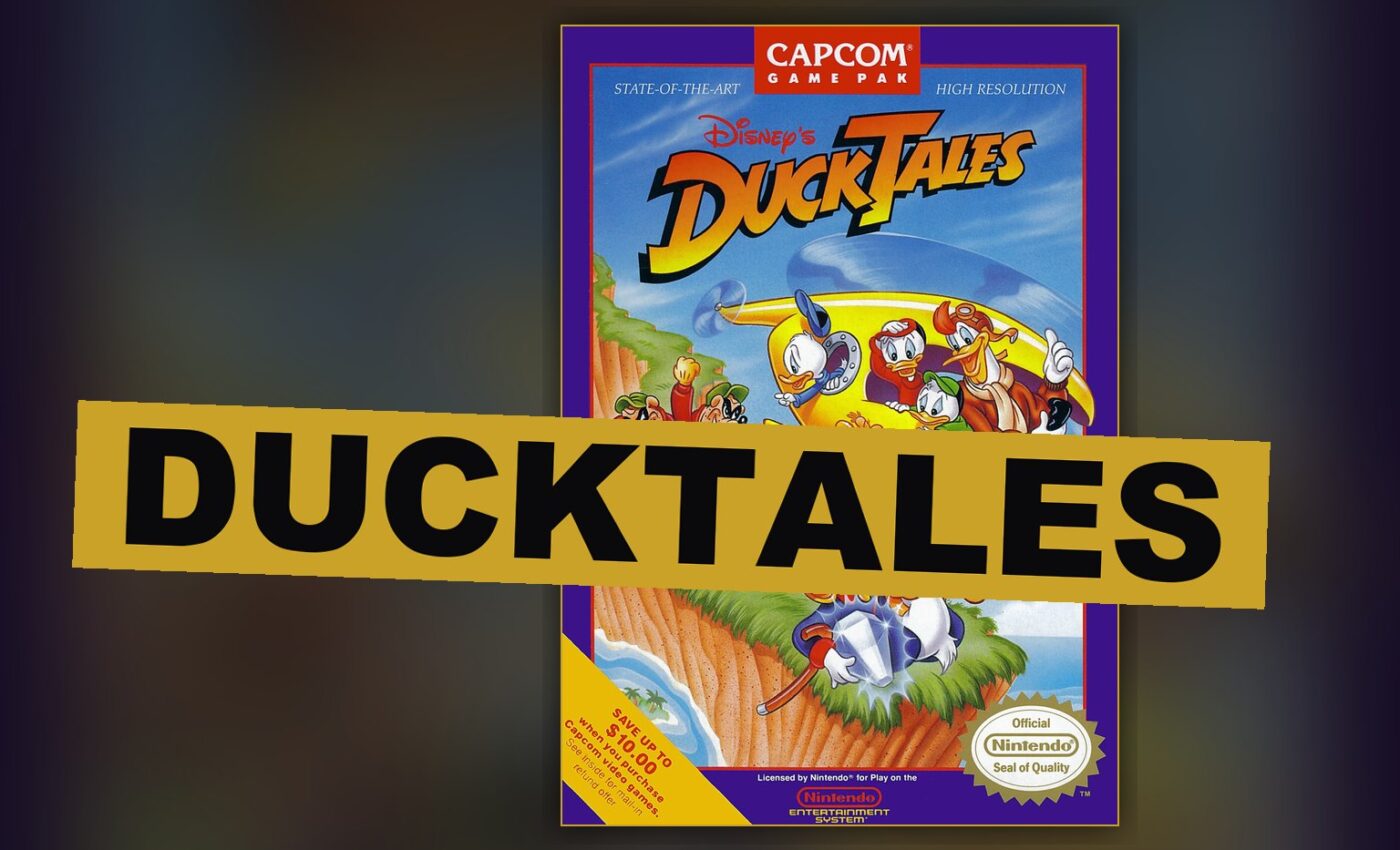
Duck Tales for the NES sends its main character on a treasure hunt across five regions and a final stage, and the spring rise at the center of the action still holds up.
Spring Rise in Action
The device the main character carries drives the entire game. Press down on a platform and the device turns into a spring, sending the player upward over dangerous obstacles, letting them overcome foes from above, and reach heights a standard step could not manage. It takes a few tries to get the timing right. Once the method becomes familiar, moving through each stage feels quick and controlled in a way few NES platformers from the same period manage.
Five Regions, Five Moods
The player picks the order of five regions to enter: a forest region, a mining region, a snowy mountain region, a haunted castle region, and the Moon. Each has its own arrangement, foes, and concealed money that adds to a running total.
- The forest region sets the pace early, with simple arrangements that teach the spring rise.
- The mining region adds small vehicles and tighter platforming.
- The snowy mountain region brings icy floors and a chase against a large icy creature.
- The castle region raises the difficulty with a winding, branching arrangement of rooms.
- The Moon brings the hardest platforming of the five regions, setting up a separate final stage after it.
The order matters. Choosing the simpler regions first lets the player build up items and money before facing the harder parts later.
Every stage is packed with coins, riches, and treasure that add to a total shown at the bottom of the screen. It gives the player reason to search rather than rush toward the end. The number rising in the display turns simple platforming into something close to a treasure search, and it rewards returning to regions that conceal coins away from the main path.
Sound, Sight, and Length
The game’s music is one of its most well remembered parts. The Moon stage theme in particular has stayed popular well past the years since it first appeared, showing up in arrangements made by others long after. The art holds up too — character sprites are clear and full of personality, and the main character’s movements, from the spring rise to the victory pose over a pile of coins, give the game character beyond its simple story.
Duck Tales is short. A player who knows the stages can finish it in under an hour, and even new players will not find much length once the spring rise method and stage arrangements become familiar. There is little change in difficulty once the core method is learned — the game relies heavily on precise platforming rather than variety, and outside the five regions and the final stage, there is not much else here.
The final stage brings a satisfying finish.
But that finish arrives fast.
- Platform: NES
- Regions: 5 (forest, mining, snowy mountain, castle, Moon), followed by a separate final stage
- Core system: spring rise
- Scoring: displayed treasure total
- Score: 7.9/10
Duck Tales earns its reputation as one of the stronger games based on a television show to appear on the NES. The spring rise gives it an identity few of its contemporaries share, the stage arrangements reward searching, and the music remains truly well remembered. It is short and its challenge levels off once the player learns the controls, but what is here is polished and confident. Duck Tales scores 7.9 of 10.