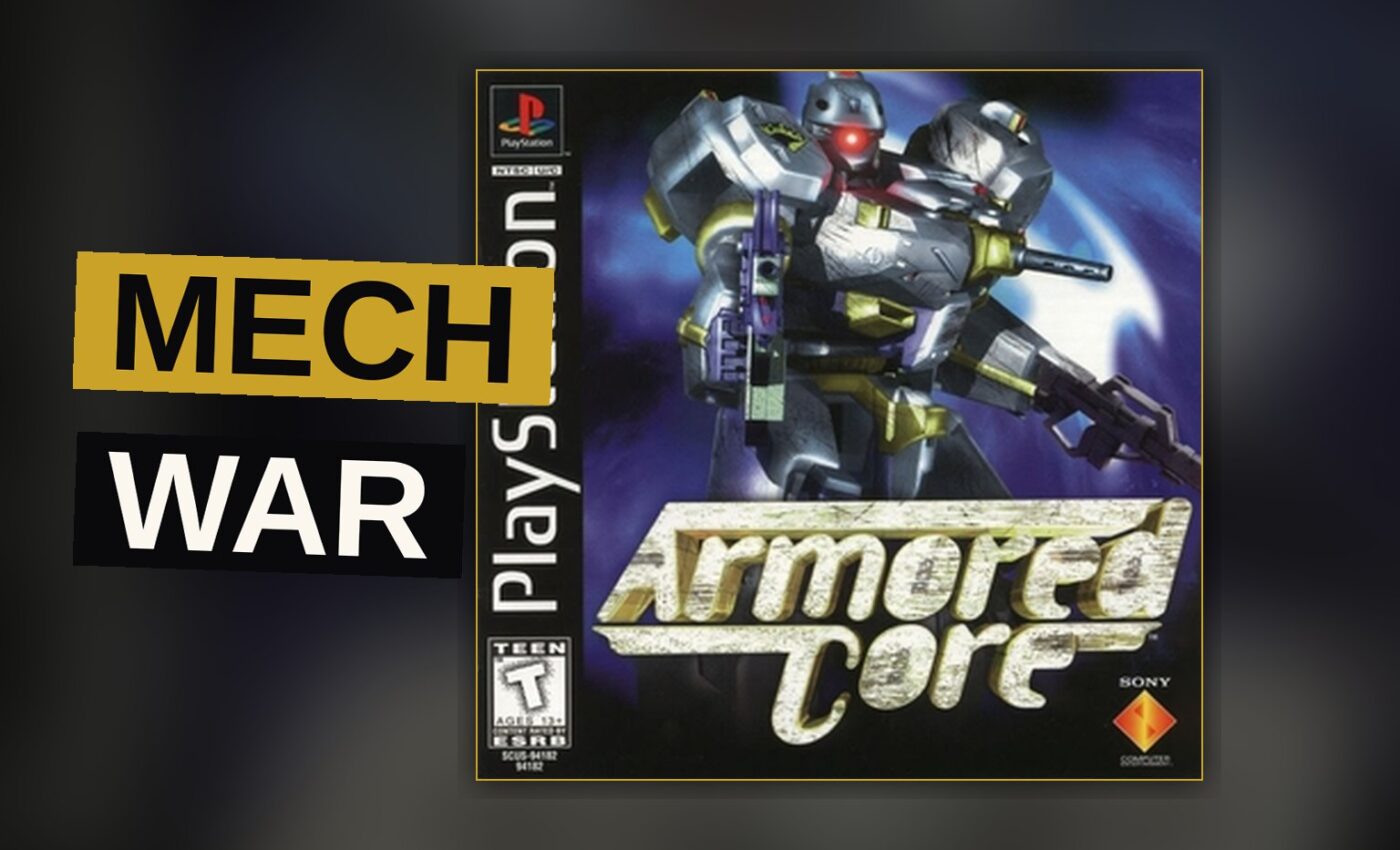
Armored Core asks players to build and pilot a giant mech through a war of factions, and it mostly delivers. The game is built around custom assembly, missions and combat that reward patience over quick reflexes.
Custom Assembly
Building your mech is the heart of Armored Core. Players pick frames, armor pieces and weapons, then arrange them on a grid. Weight limits force trade-offs: a heavier gun costs mobility, a lighter frame loses protection. This system rewards planning and punishes carelessness, and it gives each player’s build a distinct identity.
Mission Variety
The game offers a mix of objectives. Some missions ask for straight combat, others favor stealth or extraction. The variety keeps the campaign from feeling repetitive, though some later missions repeat familiar setups without much change.
Controls
Controls are precise, especially once players learn the timing windows. Dodging takes practice, and the game punishes hesitation during boss fights. New players will struggle until they learn the rhythm.
Presentation
The game looks dated now, with simple textures and stiff animations. Its music stands out, with a score that matches the grim setting. Nothing here pushes the PS1 hardware in a way that stands out today.
Multiplayer
Multiplayer modes let players fight each other online, which extends the life of the game beyond its campaign. The competitive arena remains a strong draw for those who want to test builds against human opponents.
Ranking System
- Custom assembly — the strongest feature
- Mission variety — solid but uneven
- Multiplayer — extended replay value
- Presentation — dated visuals
- Controls — demanding learning curve
What Works Best
| Feature | Strength |
|---|---|
| Custom assembly | Deep, rewarding build creation |
| Missions | Wide range of objectives |
| Multiplayer | Extended replay value |
| Controls | Precise once learned |
What Falls Short
| Feature | Weakness |
|---|---|
| Presentation | Dated graphics |
| Difficulty | Steep learning curve |
| Campaign pacing | Some missions feel repetitive |
Armored Core succeeds because it puts customization first and accepts that players will spend time learning the systems. It is not a perfect game, and its dated presentation shows its age, but its core loop remains engaging decades after release.