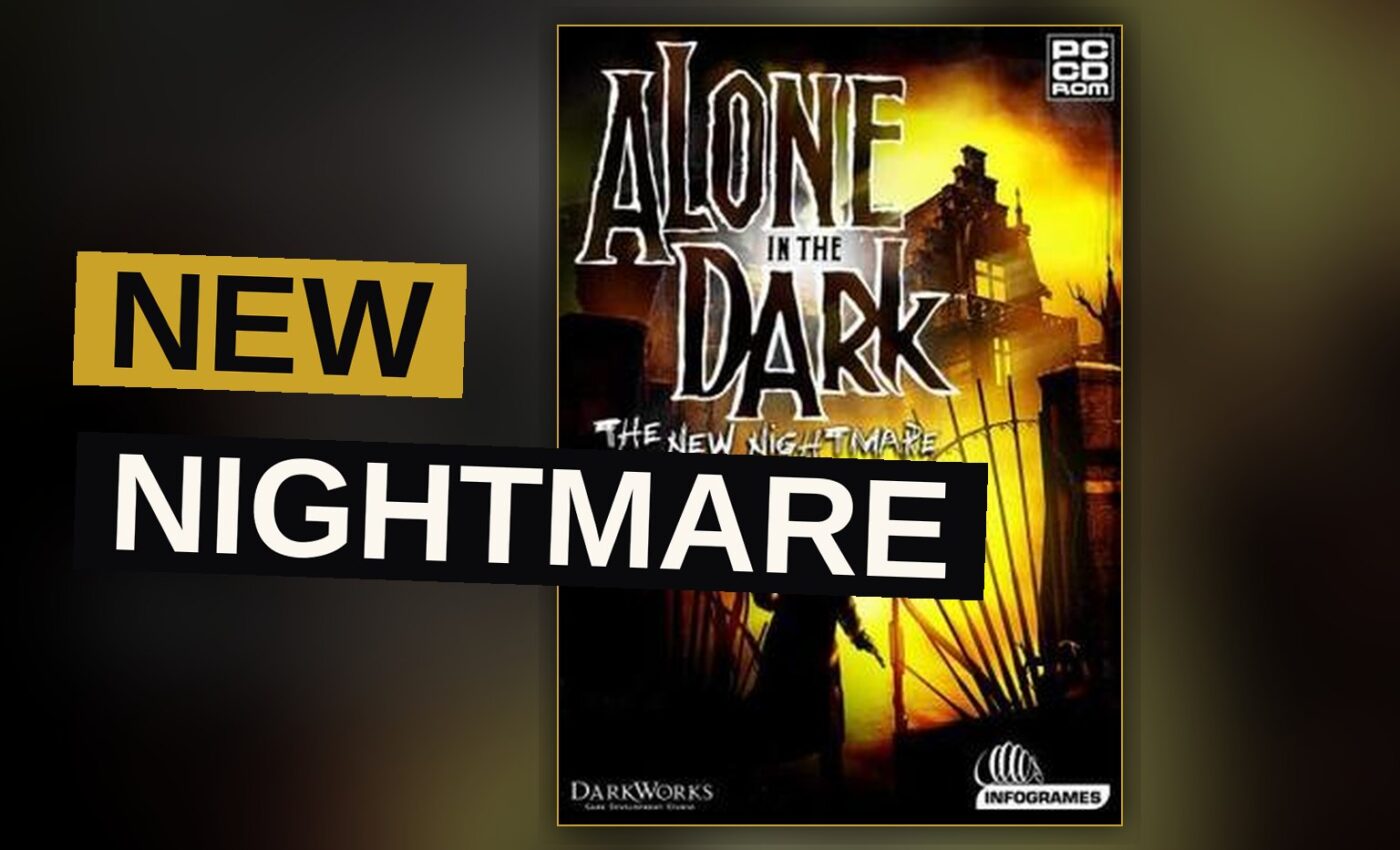
“Alone in the Dark: The New Nightmare” lands on the PlayStation with a mission to scare. The game takes over control of Edward Carnby, who now fights to save his wife Catherine from a world gone wrong. It asks players to walk through a town, talk to people, and solve puzzles while monsters watch from the dark. The result is a mixed bag of frights, puzzles, and a story that never quite decides what it wants to be.
The Town and Its People
The game drops players into a small town full of strange characters. Some are friendly, some are suspicious, and nearly all of them hide secrets behind closed doors. Walking around the town takes time, and the game expects players to search through every building and talk to every person before moving forward. This pacing can slow things down, especially when the puzzle ahead demands a piece found hours earlier.
The cast is large, and the game gives each character room to speak and act. That attention pays off in scenes where fear builds slowly through talk rather than sudden frights. It does not pay off in scenes where the pacing grows thin and the player feels lost in the town’s winding streets.
Catherine and the Monsters
Catherine Carnby sits at the center of the story, held somewhere between the living and the dead. Her fate drives the whole plot forward, and the game leans on her absence to build dread. Players spend most of the game searching for her, talking to others about her, and piecing together clues about where she might be found. This focus gives the story a clear through-line even when the side content stalls.
The monsters are the other half of the package. They appear suddenly, attack without warning, and fill rooms with dread. The game’s strongest moments come when Catherine’s fate and the monsters collide, forcing players to fight, run, or hide depending on the situation. These set pieces stand apart from the quieter town sections, and they are where the game earns its reputation for fear.
Fighting, Puzzles, and the Camera
Fighting in “Alone in the Dark: The New Nightmare” relies on a gun and a few items. The controls are simple, but the camera gets in the way often. Turning around, aiming, and moving through tight spaces all feel awkward during a fight, and the game rarely eases that trouble. Players who want to move fast through danger will find themselves slowed by the system instead.
Puzzles ask players to use items in clever ways, and the game rewards careful observation. Finding the right solution rarely feels like guessing, though the path to it can be long and demanding. Some puzzles depend on objects found far away, which means players may need to return to old locations once they have the right tool in hand. This design rewards patience but punishes anyone rushing through the game.
The camera itself becomes a problem in tight spots. Narrow hallways, low ceilings, and busy rooms all make it hard to see what is coming next, and the game offers no way to change the view during play. This forces players to rely on memory and guesswork more than skill, which changes the feel of the game from a tense fight to a frustrating hunt.
Sound and Look
The music carries real weight here. Quiet passages build dread with soft, uneasy tones, while action scenes use heavy, driving scores to raise the stakes. The sound design supports the fear, and it stands out as one of the stronger parts of the package.
The look of the game shows its age. Character models are detailed for their time, but the towns and buildings around them show rough edges that reveal their age. The lighting works well in darker scenes, giving the monsters and Catherine’s fate a sense of dread. In brighter scenes, the picture loses some of its strength, showing its age more clearly.
What Stands Out
Here is how the game’s parts rank, from strongest to weakest:
- Catherine’s story and the monsters that chase her
- The music and sound design
- The puzzles built around items and timing
- The town and its large cast of characters
- The camera and fighting controls
The ranking shows where the game succeeds and where it falls short. Catherine’s story and the monsters give the game its identity, while the puzzles and the town give it depth. The camera and fighting controls hold it back from greatness.
Final Word
“Alone in the Dark: The New Nightmare” is a game of contrasts. Its strongest moments build real dread, while its weakest moments test patience. The story about Catherine pulls players through the weaker parts, but the camera and fighting controls keep it from reaching the heights of the original games.