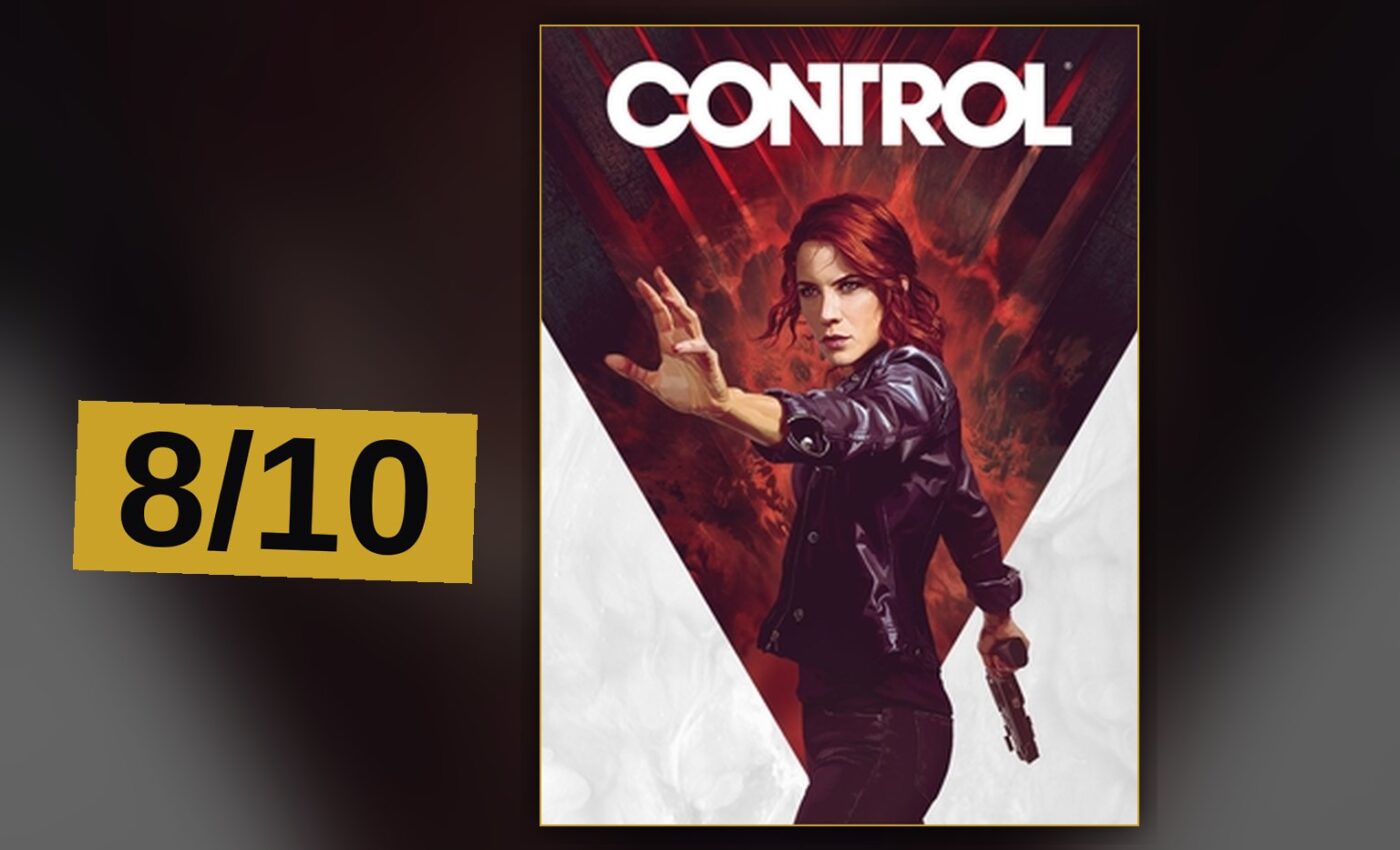
Control is a game about a federal agency that has lost its grip on reality. You play Jesse Faden, who walks into the oldest building in New York City and walks out with a gun that is also a service weapon, a title, and a job she never applied for. The Bureau of Control is in chaos, a force called the Hiss has taken over the staff, and the game asks you to shoot your way through the mess and, eventually, to understand it.
Developer Remedy Entertainment has built a reputation for strange, stylish action games, and Control is their purest expression: a third-person shooter with a supernatural twist, set inside one brutalist skyscraper that refuses to obey physics. It feels like a haunted house designed by a committee of architects gone mad — not always comfortable, but consistently fascinating.
Trailer, via FX Games.
Inside the Oldest House
The setting is the star. The Federal Bureau of Control operates out of the Oldest House, a building that appears on no map and changes its own layout: corridors rearrange themselves, offices appear where there were none. The art direction leans hard into brutalism, and it works — every hallway looks like a government building abandoned for decades, but the lights are on and the coffee machines still work.
The Hiss have twisted the staff into chanting, floating puppets, and the building bleeds into other dimensions: step through a wall into a shifting maze of red-lit corridors, or through a janitor’s closet into a vast, silent desert. The game never explains all of it, and that is the point — the Bureau deals in objects that defy logic, and the building is the largest one of all.
Collectible documents and audio recordings fill in the Bureau’s history in deadpan bureaucratic horror: one memo complains about the paperwork of containing an extradimensional entity; another describes a training video that makes anyone who watches it forget their own name. The game trusts you to piece the story together, and rewards attention.
Gunplay and Telekinesis
Combat is where Control shows its teeth. Jesse’s service weapon is a shapeshifting pistol — shotgun, sniper rifle, rapid-fire machine gun — and her telekinetic powers make for a fluid, aggressive style: rip a chunk of concrete from the floor, hurl it at an enemy, then launch into the air for a finishing headshot.
The game wants you mobile — standing still is a death sentence, and the best fights have you constantly dodging, levitating, and throwing furniture. Enemies range from shambling possessed agents to flying, screaming heads that explode on contact. The difficulty curve is steep and some boss fights test your patience, but when it clicks, it clicks hard.
Side missions tied to the Bureau’s altered objects — a fridge that whispers to you, a traffic light that controls the weather — are small, self-contained puzzles and some of the best content in the game, where the writing gets to be funny and strange without losing its dread.
“The Board has reviewed your request to leave the building. The Board has denied your request.”
That line, delivered without context, sums up the game’s humor. The Board is a group of entities that communicate through written messages, the closest thing the Bureau has to management. They are also, like everything else here, deeply unsettling.
Jesse Faden’s Search
The main plot is a mystery. Jesse is looking for her brother, who vanished years ago, and the Bureau seems to hold the answer. Along the way she meets the surviving staff, including a janitor who may be more than he appears and a scientist who has been turned into a plant. The performances are solid, with Courtney Hope bringing a grounded weariness to Jesse that keeps the weirdness from tipping into camp.
The story does not wrap up neatly. It ends on a note more “to be continued” than “the end,” and some threads are left dangling. That is deliberate, and it fits the tone. The Bureau does not offer closure. It offers more paperwork.
Flaws and Frustrations
Control is not a perfect game. The map is nearly useless, and you will get lost more than once. The mission structure can feel repetitive, some later fights drag on too long, performance on the base PS4 and Xbox One can stutter, and loading times are noticeable. None of this ruins the experience, but it keeps the game from being flawless.
What Control gets right, it gets very right: a strong point of view, a memorable world, and combat that rewards creativity. Strange, difficult, and occasionally frustrating, but never boring, it stands out in a year of safe sequels and open-world checklists as something genuinely original.
Control is a bold, messy, brilliant game. It asks you to accept its rules, and if you do, it rewards you with one of the most memorable experiences of its generation. 8.5 of 10.
Get the Notebook.
The day's best stories and every fresh verdict, in plain English, in your inbox by seven. One email a day, no more.