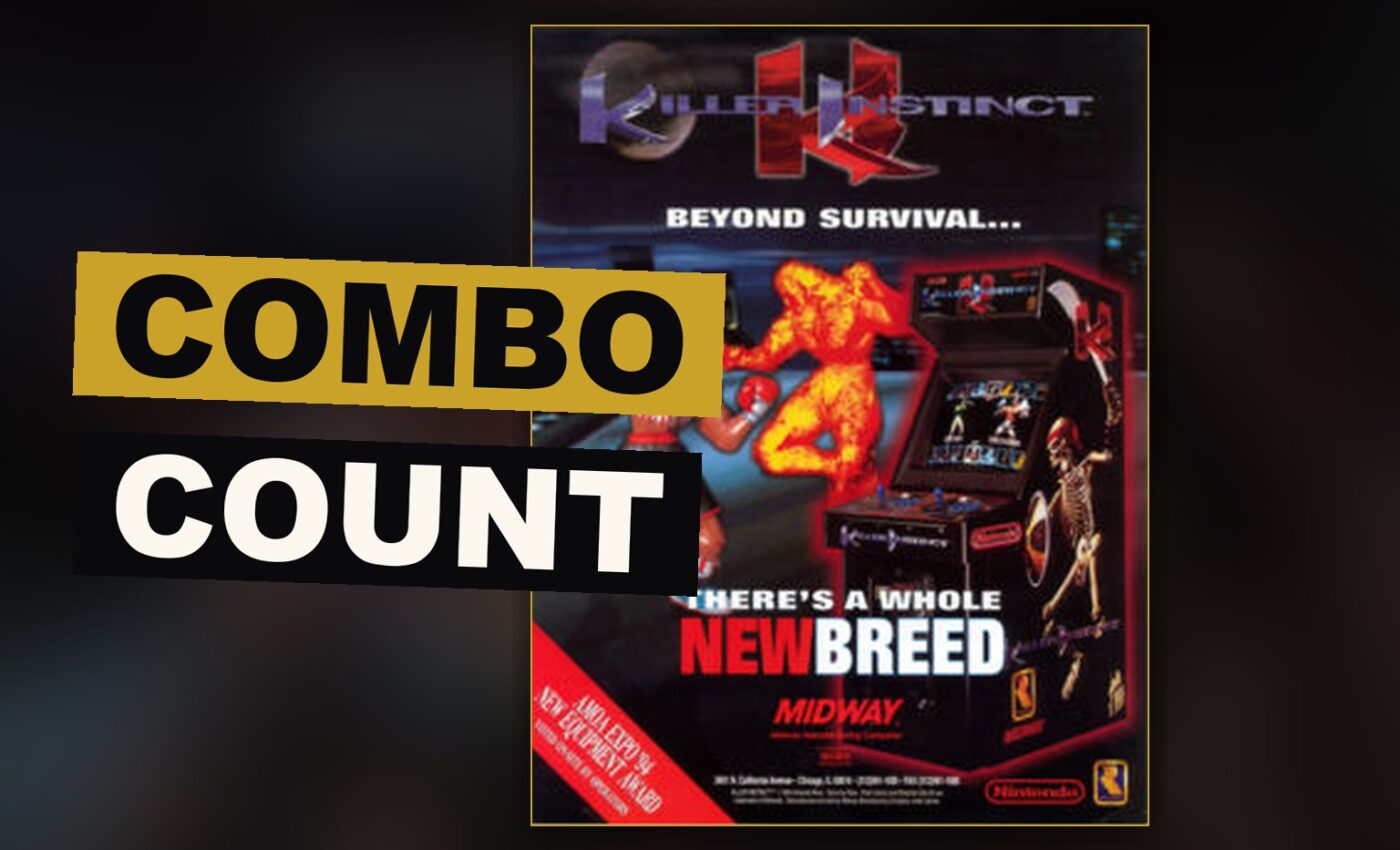
Killer Instinct arrived on the SNES in 1995, a home version of the arcade fighting game built by Rare and published by Nintendo. It brought a fast combo system and a roster of strange, unusual characters to a console far less powerful than the arcade machine that created it. The result sits between ambition and hardware limits, and lands, by agreement among critics, at 7.9 out of 10.
The Fighters and the Combo System
Killer Instinct for the SNES keeps the same roster of fighters found in the arcade version. Each fighter carries its own set of combo moves, and the game’s central draw remains its combo system: chains, follow hits that build on each other, and combo breakers that reward practice and punish chance.
The combo counter, a signature touch carried over from the arcade version, remains in this port. It still shows hit counts and damage totals on screen during long combo chains, and that display alone gives fights a sense of stakes even in quick matches. Learning the timing behind each chain takes real effort, and the game does not ease that demand for players moving from the arcade cabinet to a home cartridge.
What the Home Machine Could Not Keep
The SNES cannot run the graphics style that powered the arcade cabinet at full detail. Character sprites lose detail, the scenery behind the fighters is flatter and simpler, and animation frames are cut down. Wait times disappear, since the game runs from a cartridge rather than arcade hardware, but the cost is a rougher, flatter look next to the arcade original.
Sound holds up better than expected on this hardware. The port keeps a good part of the dark, heavy score, and the announcer’s lines remain mostly whole across matches. Music that once filled an arcade room comes through smaller speakers with less weight, but the tunes themselves are still there, note for note in most cases.
This is the central trade the port makes: convenience at home against the finer detail of the arcade original.
An Added Mode and the Numbers Behind It
Killer Instinct’s home version includes a mode not found in the arcade game, giving the cartridge its own identity rather than treating it purely as a smaller copy of the arcade machine. The core fighting system beneath that addition is the same one arcade players already knew. Combo timing, move choices, and fighter balance mostly carry over between the two versions, so skills learned in one place still work in the other.
Reviewers at the time praised the game for bringing a demanding arcade combo system to a home cartridge without breaking the rules that made it work in the first place. Complaints centered on the reduced look, a result many expected given the difference between arcade and home hardware in 1995. Few reviewers treated that difference as a serious problem on its own.
- Platform: SNES
- Developer: Rare
- Publisher: Nintendo
- Year: 1995
- Genre: Fighting game
- Added feature: A mode not found in the arcade version
- Critical score: 7.9 out of 10
Killer Instinct on the SNES does not cover up the costs the move to cartridge forced on it. It simply argues that the fighting beneath those costs still holds up, match after match, chain after chain.
That argument is largely successful.
Killer Instinct on the SNES is a faithful, if reduced, version of an arcade fighting game brought home. The combo system that defined the arcade original remains true to its source, and the added mode gives the cartridge a reason to stand apart. Measured against the arcade cabinet, the look disappoints; measured as a home fighting game in 1995, the fighting still delivers. That balance is exactly what earns Killer Instinct its 7.9 out of 10, or 8 of 10 rounded up: a strong, somewhat limited version of a good fighting game brought carefully, with some costs, into the living room.