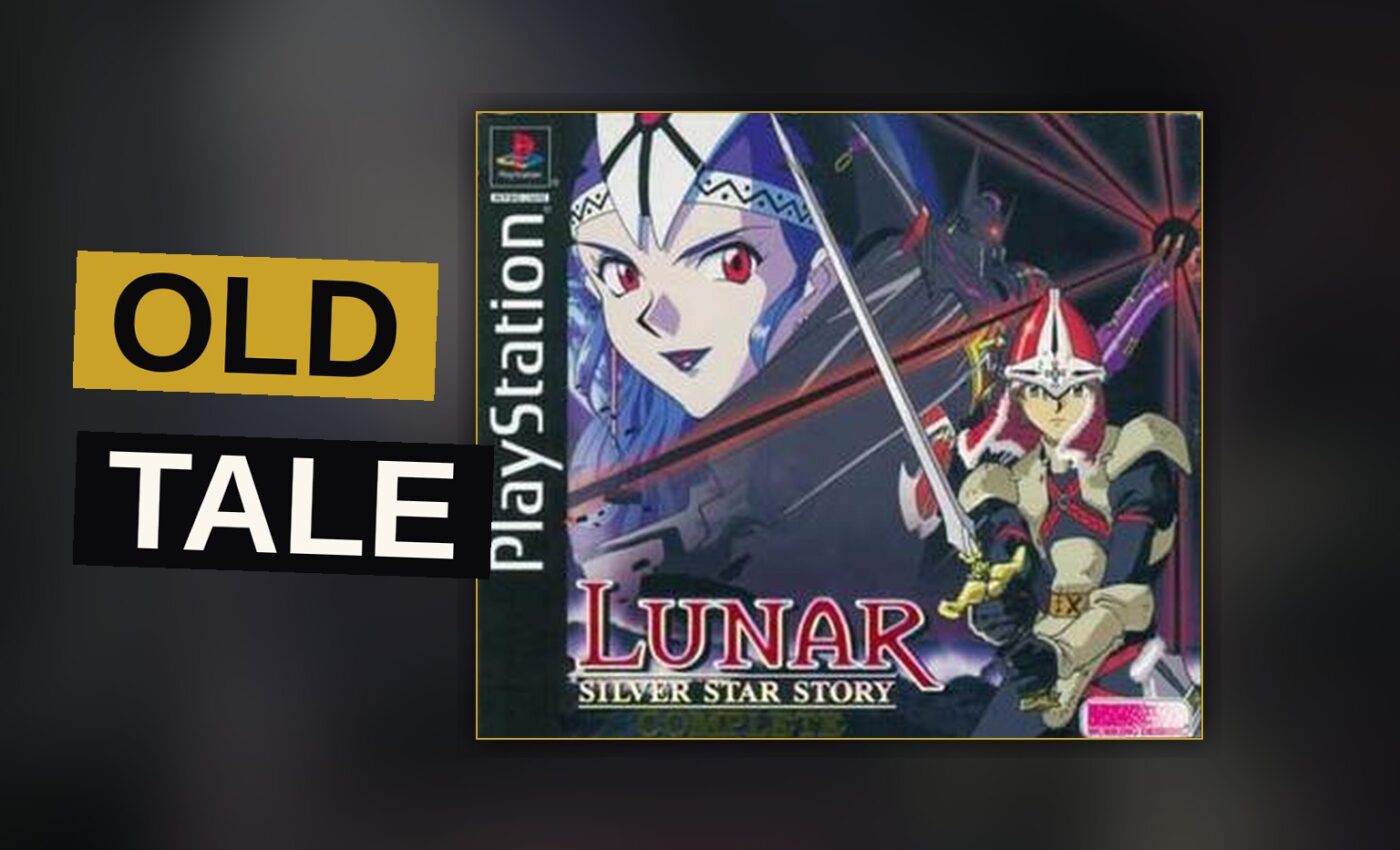
Lunar: Silver Star Story Complete arrived on the PlayStation in 1998 as a complete version of a game that had already made a name for itself on the Sega CD. It tells a story about a young man named Alex who finds himself drawn into a war between two kingdoms, and along the way he falls in love with a princess named Lucia. The game asks players to sit through a lot of talking before they get to fight, and that balance between conversation and action defines how well it holds up today.
Setup
Alex starts the game as a common soldier in the Kingdom of Lunasia. He gets caught up in a plot that pulls him across the border into the kingdom of Althena, where Lucia rules. The setup is simple: Alex wants to save his friend Nall, and he ends up doing more than that. He becomes a pawn in a larger conflict, and the game spends a good deal of time letting players see how that conflict unfolds through talk rather than through fighting.
The story is built around a few central characters. Alex is the main character, a quiet man who carries the weight of the plot. Lucia is his love interest, a princess. There are other figures in the cast, each with their own role in the story, and the game gives them room to speak.
Fighting System
The battles in Lunar: Silver Star Story Complete use a system familiar to anyone who played games on the Sega CD. Players choose commands for their characters from a menu, and the action plays out in real time once the command is given. It is a simple system, and it works well enough for what the game asks of it.
What stands out is the presentation. The game looks bright and colorful, with character designs that carry a lot of personality. The music matches the tone of each scene, moving from quiet moments to full orchestral arrangements during the big fights. Together, the look and sound give the game a distinct identity.
Pace Problem
The biggest problem with Lunar: Silver Star Story Complete is pacing. The game spends a great deal of time on dialogue, sometimes more than players want. Some scenes feel slow, and there are stretches where the action feels thin compared to the amount of talking the game asks for.
This is a common complaint about the genre as a whole, and Lunar: Silver Star Story Complete does not escape it. Long sequences of talking can test the patience of players used to faster pacing. The game does not hurry past its story, and that pace can make some parts feel like more of a wait than an experience.
World
The world of Lunasia and Althena is the setting for everything that happens. Each kingdom has its own feel, and the game takes players through both of them as the story moves forward. The game does not try to make the world huge, but it does give each place a distinct identity.
Here is a rough breakdown of how the game moves through its settings:
| Stage | Setting | Focus |
|---|---|---|
| Early chapters | Kingdom of Lunasia | Introduction to Alex and his friends |
| Mid chapters | Kingdom of Althena | Meeting Lucia and the start of the war |
| Late chapters | Across both kingdoms | The final push toward the ending |
The game moves between these settings with ease, and the change of scenery helps keep the story from feeling like one long stretch of talking.
Comparison
Lunar: Silver Star Story Complete shares traits with other games in the genre, and comparing it to some of those games shows where it sits among them.
| Feature | Lunar: Silver Star Story Complete | Other games in the genre |
|---|---|---|
| Story focus | Heavy on dialogue | Lighter on dialogue |
| Battle system | Menu-based commands, real-time execution | Similar systems found across the genre |
| Presentation | Bright colors, detailed character designs | Diverse styles depending on the game |
The comparison shows that Lunar: Silver Star Story Complete fits comfortably within its genre while also standing apart from it in some ways. Its strength lies in its presentation and its story, even if the pacing drags in places.
Final Verdict
Lunar: Silver Star Story Complete remains a solid entry in a genre full of similar games. It is at its best when it lets its characters breathe and its worlds come alive, and it is at its worst when the talking runs long and the action feels thin. The game holds up as a worthwhile trip through a bright, colorful world, even if it asks players to sit through more talking than some might want.
For players willing to put in the time, the payoff comes in the story and the world around it. For players who want more action, the game’s pace will test their patience. Both reactions are fair, and both say something true about the game.
The game earns a score of 7.8 out of 10.