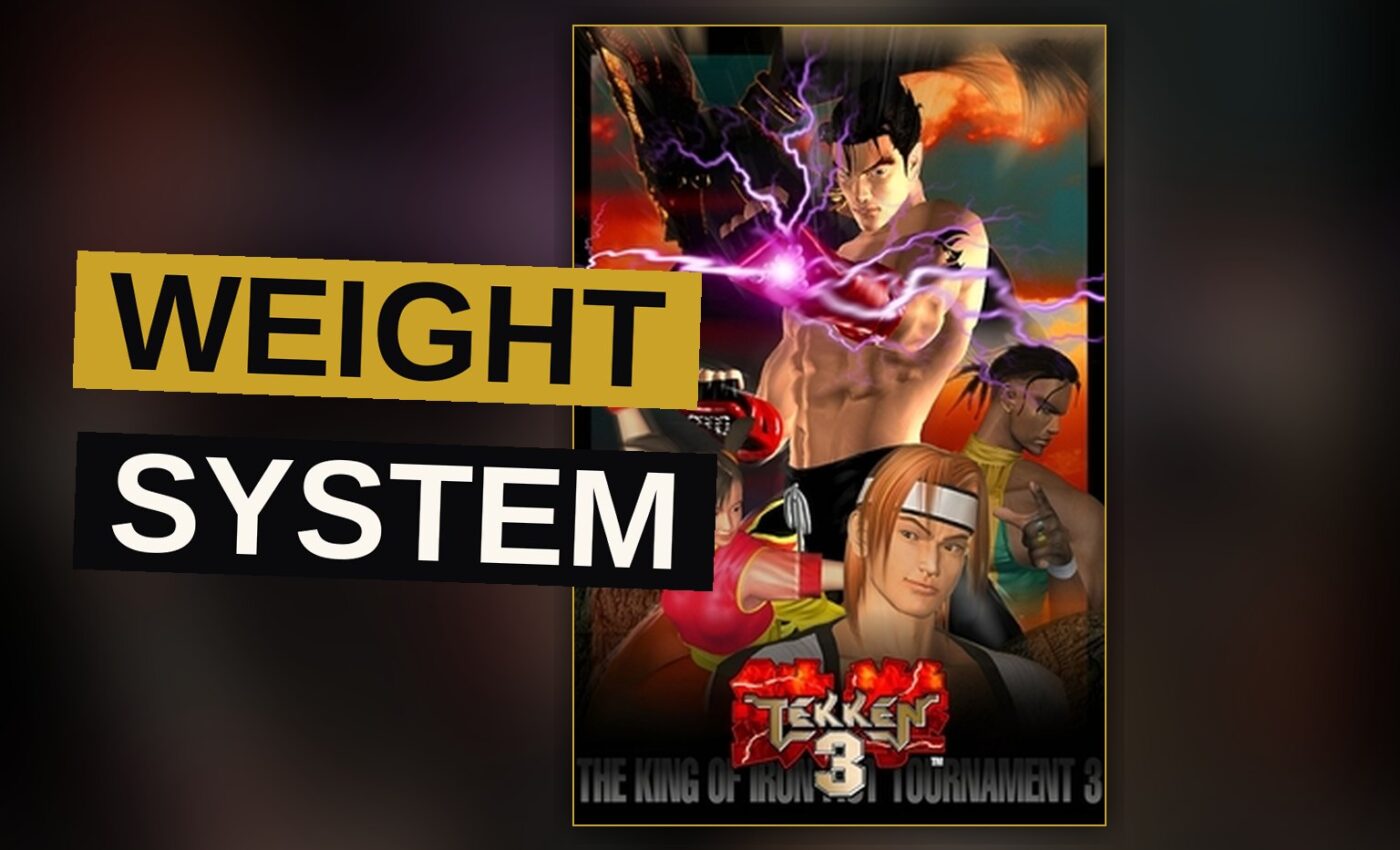
Tekken 3 arrives on the original PlayStation as a fighting game built for players who want depth over spectacle. It is not the easiest game to pick up, but it rewards patience with some of the best fighting mechanics the console had ever seen.
The Fighting System
Tekken 3 changes the way characters move across the screen. Each fighter carries weight and momentum through their strikes, throws and evasive moves, giving every blow a physical sense that few games manage. The controls are precise, and the learning curve is steep, but once a player settles into the rhythm, the system opens up into a wide range of options.
Combos run deep, and the game encourages players to build chains around specific moves rather than relying on simple button presses. The result is a fighting game that feels alive in a way that few others from this period manage.
The Cast
Tekken 3 adds new characters while keeping the series’ core cast intact. The roster is large, and each fighter carries distinct strengths and weaknesses. Players can choose between returning favorites and newcomers, mixing up their approach depending on who they face.
The new additions bring fresh ways to play, from fighters who rely on quick strikes to those who favor brute force. This variety keeps matches from feeling repetitive, since a player’s strategy can shift depending on who stands across from them.
The Look of the Game
Tekken 3 pushes the PlayStation hardware further than most other titles on the system. Character models are detailed, and the stages offer varied settings, from a busy street to a dark alleyway. The animation is fluid, and the game rarely drops frames even during fast exchanges.
The lighting effects add a layer of polish that sets Tekken 3 apart from other fighting games on the system. The attention to visual detail shows in every match, making the game look sharp even years later.
Sound Design
The sound design supports the action without overwhelming it. Punches land with weight, and the announcer’s calls add a sense of ceremony to each match. The music is energetic without being distracting, and it shifts tone depending on the stage and the fighters involved.
The soundtrack is a mix of driving tracks that keep pace with the action. It never feels out of place, and it never dominates the moment.
Playing Against Others
Tekken 3 holds up best when played with friends or against other players online. Matches against human opponents test the player’s reading of intent, since the game’s throws and combos require constant awareness. The online mode connects players across the globe, letting them test their skills against fighters they would never meet in person.
Multiplayer is where the game’s depth becomes clearest. Reading an opponent’s next move, timing a throw, and landing a combo all demand focus, and the game rewards players who learn to read their opponents over time.
What Works Best
- The weight system gives strikes a physical presence
- The roster offers a wide variety of playstyles
- The visuals push the PlayStation hardware
- Multiplayer modes connect players across the globe
What holds the game back is its difficulty. New players will find themselves losing matches for hours before they understand the rhythms at play. The game also favors players who have spent time studying the cast, which means casual sessions can feel frustrating when matched against skilled opponents.
Despite these rough edges, Tekken 3 remains a strong entry in the series. Its fighting system, its roster, and its presentation all justify the praise it has received over the years. The game holds up as one of the console’s best fighting experiences.