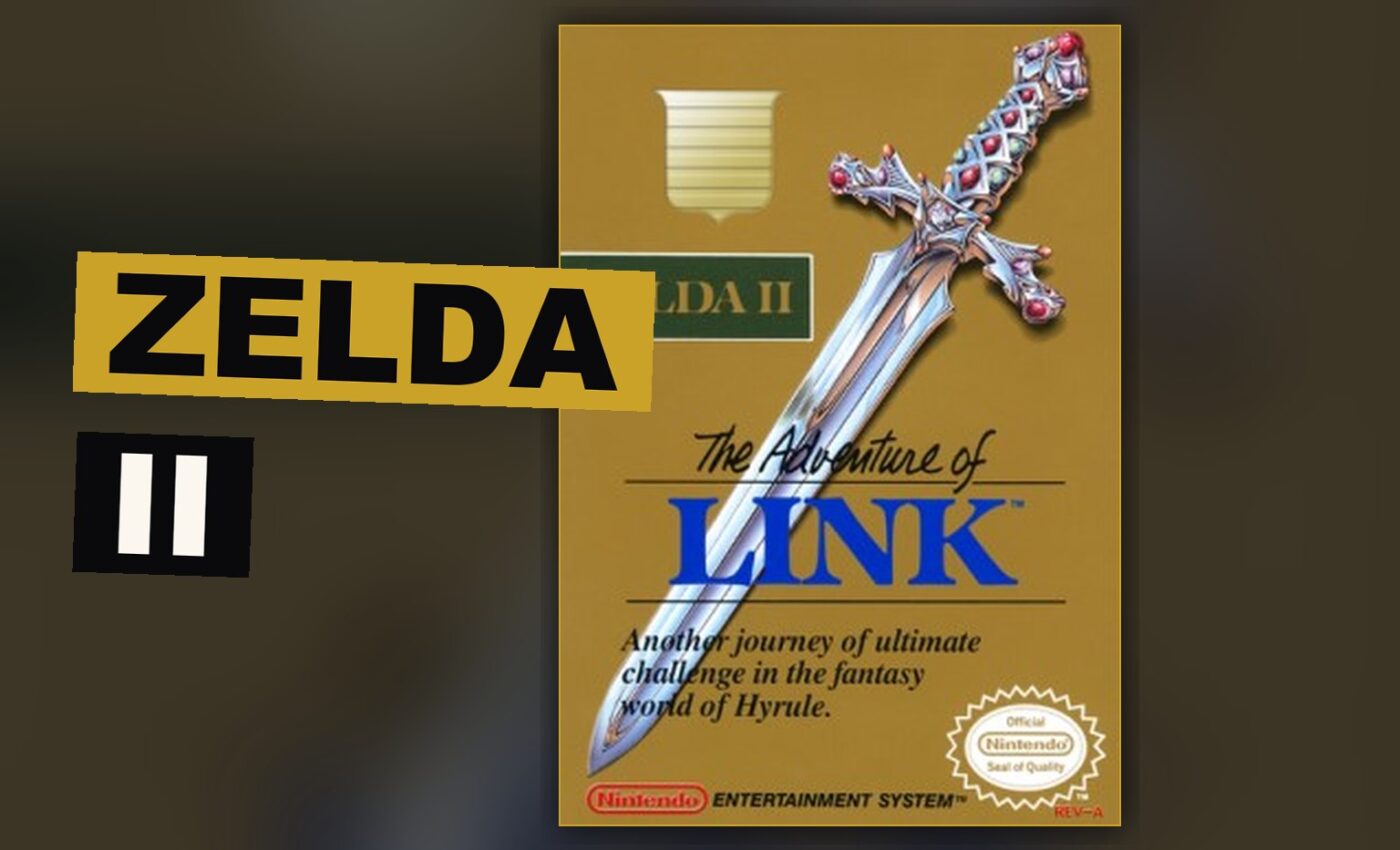
Zelda: The Adventure of Link asks players to learn anew the whole feel of the series. The first game gave players wide land to cross from above. This sequel, made for the NES, turns instead toward forward motion and sword fights seen from the side, along with points earned for beating foes. The change split opinion when the game first appeared, and it still does now.
A Different Kind of Journey
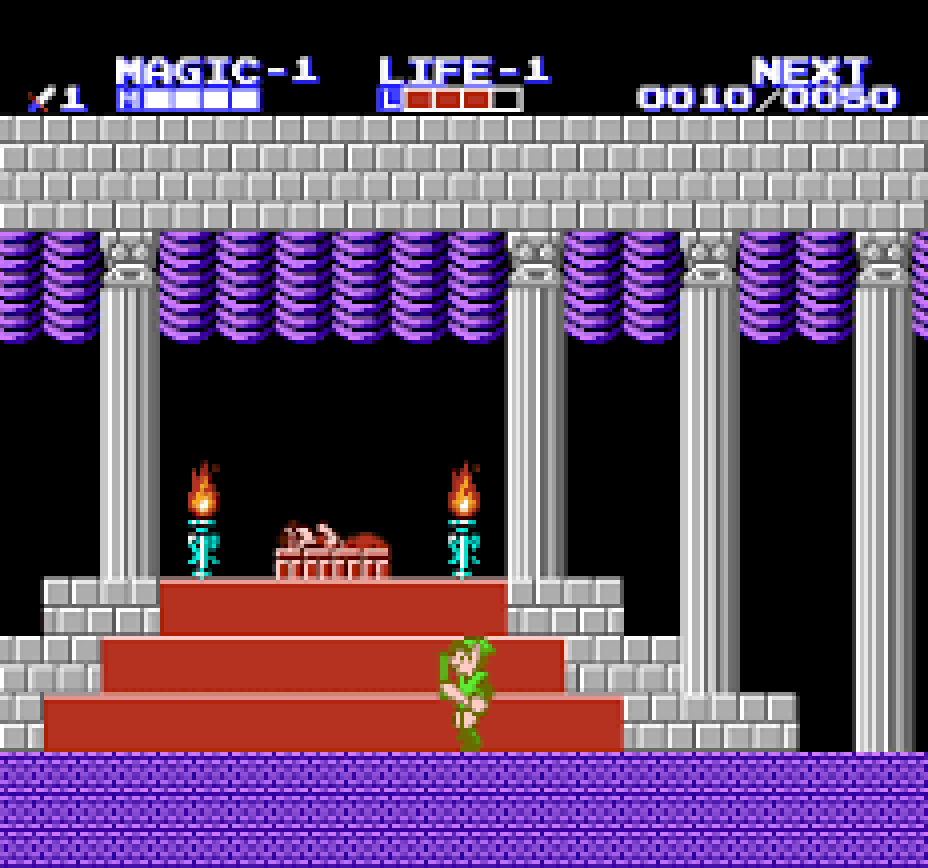
The main screen still shows Link from above as he moves across the land, but every dungeon, town and field drops into a view from the side once he enters. Link now rises with a sudden spring, bends low and thrusts his sword in a style closer to an action game than the first Zelda. Foes react to the height of a strike, so a low blow misses a foe standing straight, and a high blow misses one bent down.
This change makes early hours hard going. Sudden meetings with foes while crossing the land can end a run fast, sending players far back with little warning. Once the timing of each fight becomes familiar, though, the fighting rewards patience over chance.
Points, Power, and Trouble in the Palaces
Points earned from beating foes carry the spirit of the first Zelda’s search for tools into something new here. Killing enemies raises Link’s attack, magic and life, and each rise in level forces a choice about which of these to raise. Spells add another layer, with magic spent on a power that carries Link higher into the air than he could rise alone.
This kind of steady rise was unusual for a game of its kind at the time. It gives Zelda: The Adventure of Link a feeling of gradual, earned progress that the first game did not have. An early loss sends a player back a long way, which troubles as much as the steady rise pleases.
The game’s dungeons, called palaces, grow longer and harder as the game goes on. Some foe position feels harsh, above all a heavily armored foe that punishes a careless thrust of the sword. The NES cartridge holds progress on its own through a battery fixed inside it, so there is no word to write down between sessions.
The soundtrack turns dark and stirring compared to the first game’s lighter themes. The main theme of Link’s journey across the land has remained in the memory of many who played it since. Sprites appear larger and carry more detail than in the first NES Zelda, though the scenery repeats often from one part of the land to the next.
Order of the Palaces
| Palace | Position in Game | My Impression |
|---|---|---|
| First | Early | Gentle start |
| Second | Early | Gentle start |
| Third | Middle | Harder going |
| Fourth | Middle | Harder going |
| Fifth | Late | Demanding |
| Sixth | Late | Demanding |
| Great Palace | Final | Hardest by feel |
By the Numbers
- Platform: NES
- Design change: from a game seen entirely from above to one mixing land crossed from above with battles seen from the side
- Save method: a battery fixed inside the cartridge
- Total palaces: seven, including six numbered palaces and the Great Palace
- Score: 7.2 of 10
Zelda: The Adventure of Link stands apart from the rest of its series, a bold attempt that traded ease for daring. Its fights demand patience, its harder parts test resolve, and its steady rise in power rewards those willing to learn its rules from scratch. It is an odd, striking turn rather than a comfortable pleasure.