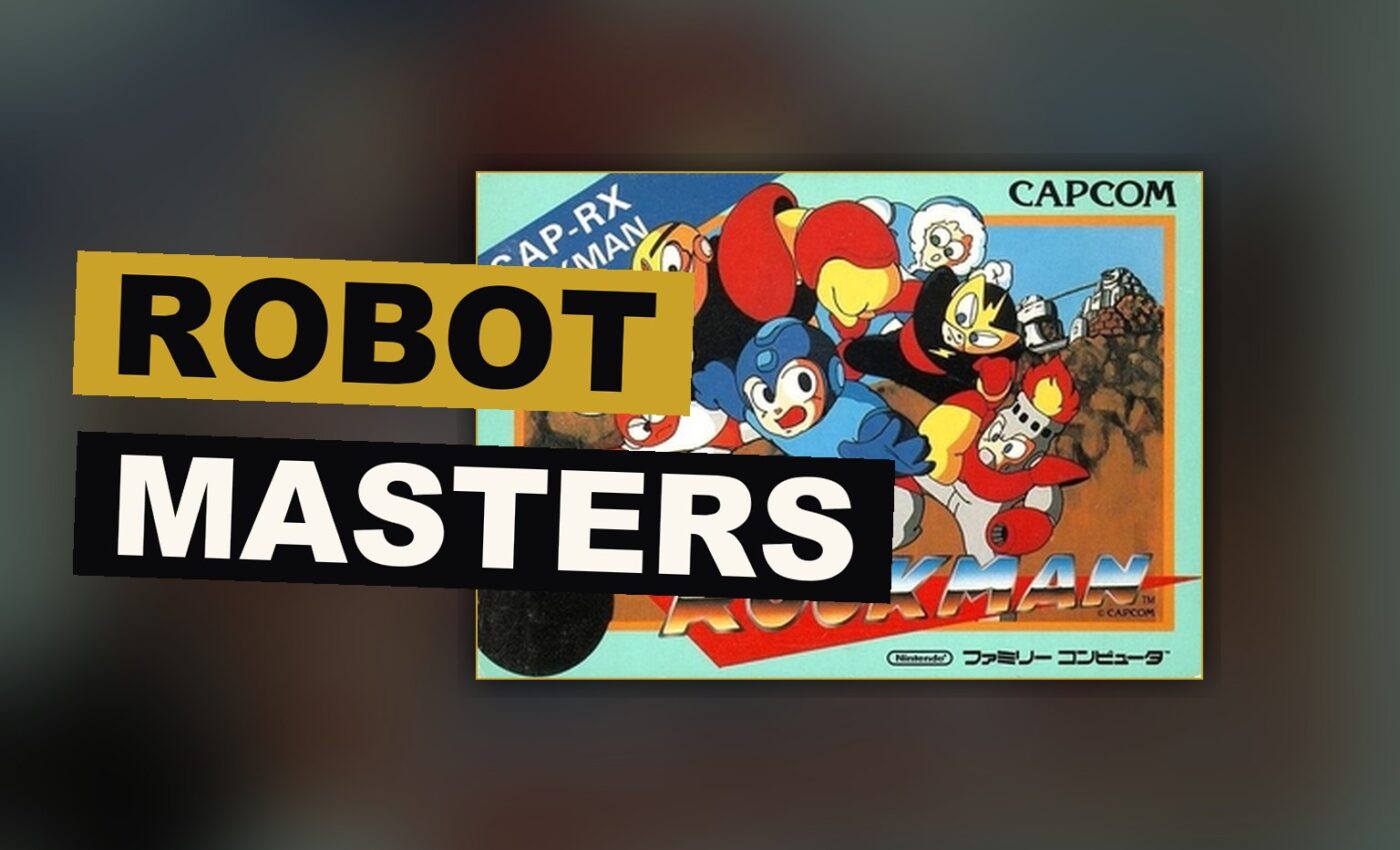
Mega Man asks players to pick a fight with six robots, in any order they like, then punishes them for choosing wrong. That single idea, novel for a console game at this point, still shapes how the game feels to play today. It is a hard game, sometimes an unkind one, but it is rarely dull.
Six Robot Masters, One Puzzle
The game opens on a screen where players choose which of the six Robot Masters to face first. That choice matters. Beat one boss and Mega Man gains its power, which often happens to be the exact means needed to beat another boss with ease.
Work out the right path and the game opens up. Guess wrong and a boss fight can turn into a wall. The design rewards patience and trial and error in equal measure, and it asks players to treat failure as a lesson rather than a loss.
Stage Design and Difficulty
The six stages leading up to those bosses differ greatly in quality. Some throw clever platforming and enemy setups at the player. Others rest on cheap hits and blind moves that feel less like a real test and more like plain trouble.
Lives are limited and continues are not generous. Deaths send players back further than modern players may expect, and some parts of the game demand very careful play to clear. That trouble will vex some players and please others looking for a real test.
Ranked roughly by how fair each stage feels, the bosses break down like this:
- Cut Man, tightly built and easy to read
- Elec Man, hard but steady in its demands
- Ice Man, fair in its demands
- Fire Man, harsh in spots
- The fifth Robot Master, its pace badly measured
- The sixth Robot Master, the harshest of all
Controls and Fighting
Mega Man himself moves and fires with a sure hand. Moving across open ground feels solid and easy to judge, and the arm gun holds steady from the first stage to the last. The fighting rewards timing over quick hands alone.
The powers taken from beaten Robot Masters add variety. Some serve narrow purposes, useful against one boss and little else. Others prove their worth across several stages, and the game gives players good reason to try each one out rather than rest on the gun alone.
Presentation on NES Hardware
The game’s look is simple by later standards. The art is easy to read and the robot designs stand apart from one another at a glance, even under the limits of the NES. The music keeps pace with the action and gives each stage its own feel.
None of it draws the eye with tricks. But the look serves the play rather than taking focus away from it, and that plain style suits the game’s tight shape.
Final Verdict
Mega Man is a first sketch of an idea that later games in the series would improve upon. The choice of stage order remains its strongest gift to players, and the running, moving and firing hold up well as solid, if unequal, action. Its faults are real: rough pacing between stages, a drop in the rate of motion when the screen fills up, and little mercy for mistakes.
Still, the core act of choosing a boss, learning its ways, and gaining a new power remains satisfying, even decades later. It is a game worth playing for its ideas as much as its finish, and a clear starting point for a series that would go on to improve what this first game only sketches out. Players who take the time to learn its ways will find a game that still holds up, faults and all, against the many games it inspired in the years since it appeared on the NES.