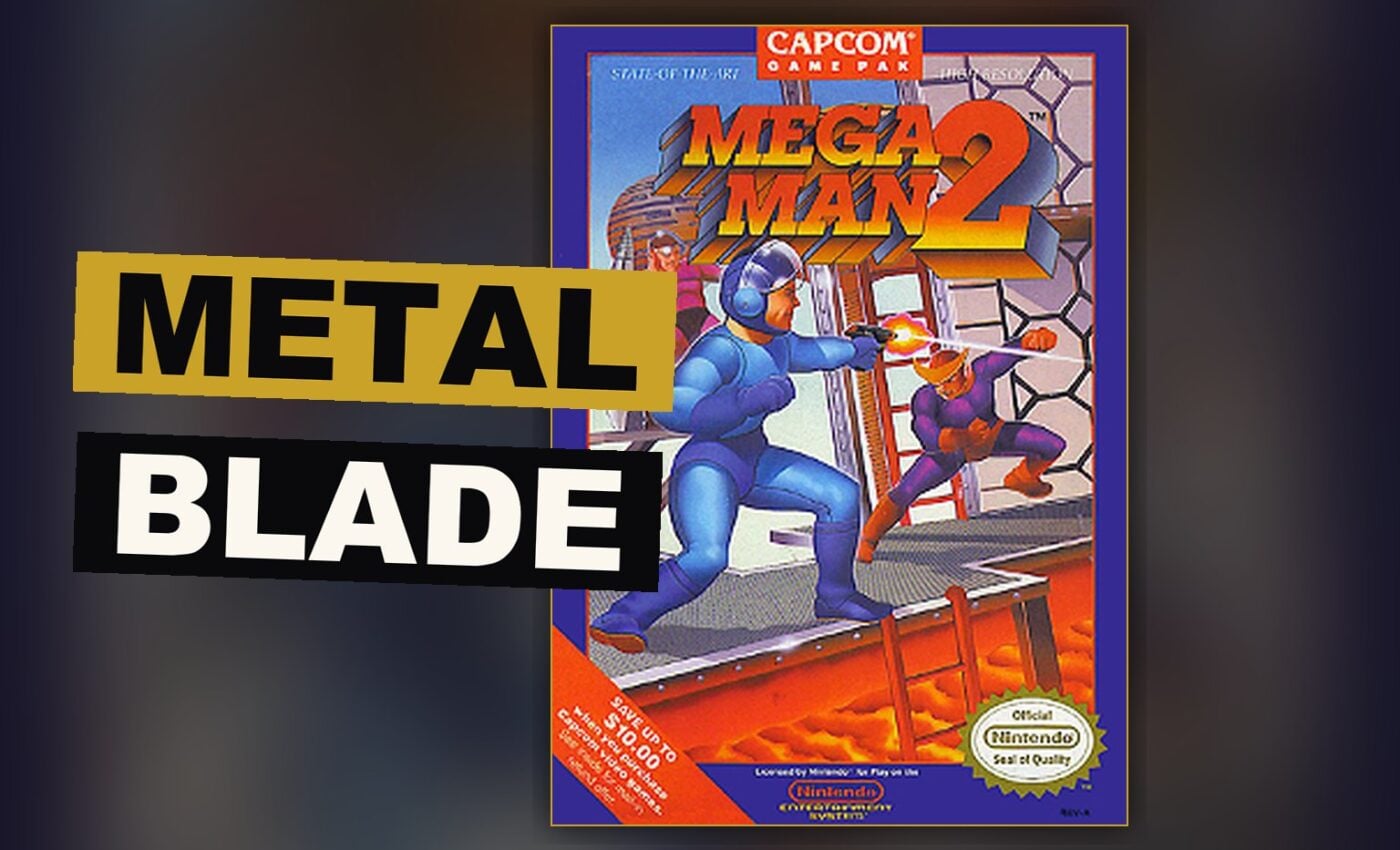
Eight robot bosses stand between the player and the final battle in Mega Man 2, and the path to each one still holds up as some of the tightest level design on the NES. The game gives players a choice of order, letting them pick off Metal Man, Air Man, Bubble Man, Quick Man, Heat Man, Wood Man, and two others in whatever sequence suits their skill. Each beaten boss hands over a special device, and the system of trading one for another turns the whole game into a puzzle about matching gear to threats.
The Device System
The core idea is simple to state and hard to master: beat a boss, take their device, use it against the next boss it beats best. Metal Blade cuts through nearly everything, making it a lasting choice among players. Other devices ask for a more careful fit to a single enemy or wall, and figuring out which one opens which door is much of the appeal.
That design gives Mega Man 2 lasting worth most action games from the same time do not have. Players can approach the eight robot stages in different orders, and the difficulty changes depending on which devices they own going in. Few games from this time offer that kind of freedom.
This is rare for a game of its age.
Level Design, Difficulty, and Sound
The stages themselves are short but full. Hazards, moving platforms, and tight enemy placing demand a steady hand, and a single hit can send the player back a long run of careful play. Quick Man’s stage, with its narrow line of light that kills on touch, remains one of the hardest parts in the game.
The final stages raise the stakes further, putting boss returns and new enemies on top of the demands from the main eight stages. The game does not hold the player’s hand here. Mega Man 2 is bigger than the original game in nearly every measure, from stage count to the sheer number of devices on offer.
The music stands out on its own merit. The tunes for the final stages and for Metal Man’s level have stayed in circulation among players for years, and each stage carries its own identity beyond its look.
Not every part of the design is even. A few devices sit idle once the player finds one they prefer, and the game’s balance sometimes rewards depending on Metal Blade over trying other paths. The Item devices, used to build platforms in open air, are clever in idea but hard to control in the middle of a stage.
Bosses vary in how much of a fight they put up. Some fall in seconds to the right device, while others take real practice no matter what the player carries. That difference between easy and hard bosses is a small mark against the game next to its larger wins, but it is there. None of these faults change the picture the game leaves behind by much.
By the Numbers
- Platform: NES
- Boss count: 8 robot masters, followed by a set of final stages
- Core idea: beat bosses, take their devices, use them against other bosses
- IMDb general rating: 8.2 out of 10
Mega Man 2 earns its standing as one of the strongest action games on the NES. Its design, letting players choose their own path through eight distinct bosses, still feels fresh today. The music and level design carry it through its rougher patches, even where device balance and a few awkward controls hold it back from a higher mark.
This writer’s verdict: 8 of 10, close to but distinct from the 8.2 general rating above.