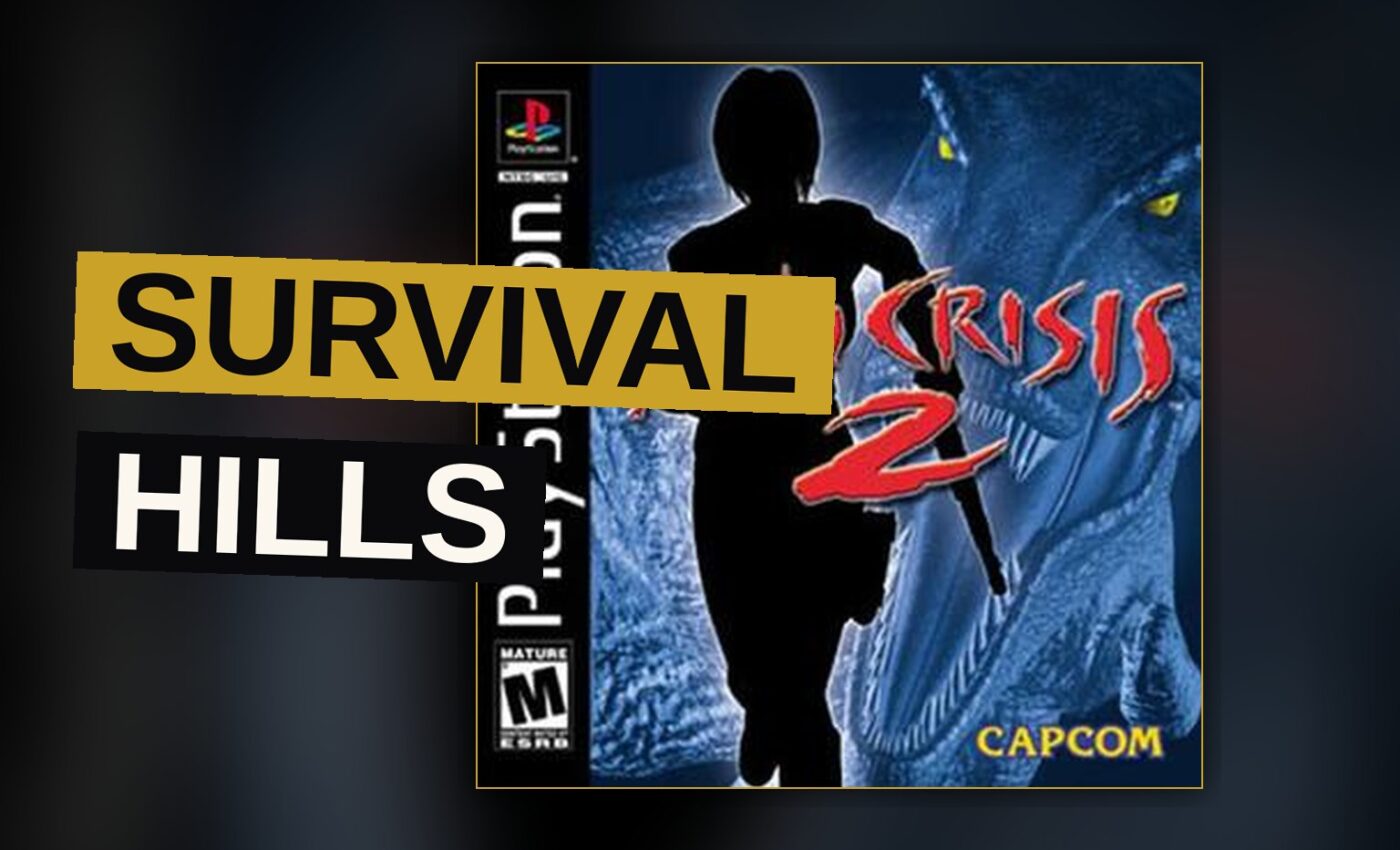
Dino Crisis 2 arrived on the original PlayStation in 1999, and it remains one of the most atmospheric survival horror games ever made. Developed by Capcom and released as a sequel to the 1997 original, the game puts players in the middle of a Japanese research facility overrun by dinosaurs. The result is a tense, claustrophobic experience that leans heavily on sound, sight, and player instinct rather than sheer violence.
The premise is simple. You play as a member of a team sent to investigate a strange signal coming from the island where the first game took place. What you find is a disaster: the dinosaurs have escaped, the facility is crumbling, and the staff are either dead or turned. The game is built around fear, resource management, and the constant feeling that something terrible is just out of sight.
The Island and Its Horrors
The setting is a sprawling, ruined research compound. Rain, fog, and darkness define the look of Dino Crisis 2. The island is not a cheerful place. It is wet, overgrown, and full of narrow corridors that feel like they were designed to trap you. The dinosaurs themselves are varied and frightening, from small, quick hunters to massive creatures that can crush you in seconds.
The game uses a first-person perspective, but it is not a shooter in the usual sense. There is a gun, but ammo is scarce, and the game punishes you for using it carelessly. Instead, the core loop is about finding a path forward while avoiding detection. You can sneak past some dinosaurs, hide behind cover, or run through open ground and hope the danger passes. The tension comes from the player’s own choices, not from scripted scares.
The dinosaurs are smart. They remember your movements, learn your patterns, and react to your actions. A dinosaur that sees you run past it once will likely spot you again if you try the same route. This creates a sense of being watched that few other games manage.
Sound Design and Atmosphere
The sound in Dino Crisis 2 is its strongest asset. Footsteps echo in empty halls, wind rustles through the trees, and the distant roar of a dinosaur carries a weight that visuals alone cannot convey. The music is sparse but effective, often reduced to a single piano note or a low hum that tells you something is wrong.
Lighting is used as a tool of dread. Dark corners hold danger, and the game frequently cuts off your view entirely, forcing you to rely on sound to guess where a dinosaur might appear. This is a game about hearing things before you see them, and it works brilliantly.
The game also includes a multiplayer mode, though it is not the focus. It is a separate experience that lets players compete or cooperate in the same levels, adding a social layer to the solo terror. It is a nice addition, but it does not change the core identity of the game.
Resource Management and Difficulty
Dino Crisis 2 is hard. The difficulty curve is steep, and the game does not hold your hand. You will die, often, and you will lose items you needed. The game tracks your health, your ammo, and your sanity, and all three matter equally.
Items are limited. You will find food, water, and medical supplies, but you will never have enough of any of them. Eating too much makes you slow. Drinking too much makes you dizzy. Running out of food causes your health to drop steadily. The game forces you to make constant decisions about what to keep and what to discard, and those choices shape your entire playthrough.
The game also includes a ranking system that rates your performance at the end of each level. This adds a competitive element, encouraging you to replay sections to get a better score. It is a small touch, but it gives the game a sense of progression beyond simply finishing it.
The Story and Its Length
The story of Dino Crisis 2 is thin by modern standards, but it is serviceable. You are part of a team investigating the island, and the narrative unfolds through audio logs, notes, and occasional cutscenes. The plot is less about character development and more about establishing the stakes of the situation.
The length is moderate. A full playthrough takes around ten hours, depending on how much you explore and how many deaths you rack up. The game is dense, though, and each hour feels packed with content.
Where It Falls Short
Dino Crisis 2 is not perfect. The camera can be uncooperative in tight spaces, and the controls are occasionally finicky. Some of the puzzles feel arbitrary, and the game’s difficulty spikes can be frustrating rather than engaging. The multiplayer mode is a fun addition, but it is not as deep as the solo campaign.
The game also suffers from dated design choices. By today’s standards, the graphics are rough, and the frame rate can dip during busy scenes. These issues are minor compared to the game’s strengths, but they are noticeable.
| Element | Strength | Weakness |
|---|---|---|
| Atmosphere | Exceptional | N/A |
| Combat | Effective but limited | Limited ammo |
| Pacing | Tense | Difficulty spikes |
| Multiplayer | Fun addition | Shallow |
| Story | Serviceable | Thin |
Final Word
Dino Crisis 2 earns its reputation as a classic of the genre. It is a game about fear, resource management, and the constant feeling that you are being hunted. The sound design, lighting, and enemy behavior combine to create an experience that is still effective decades after release.
The game’s flaws are real, but they do not outweigh its strengths. The difficulty can be punishing, and the dated presentation shows its age, but the core design remains sharp. If you can handle the challenge, Dino Crisis 2 offers a rare kind of horror that few other games achieve.
Dino Crisis 2 is a must-play for fans of survival horror, and it stands as a strong entry in the genre. It is not without faults, but its atmosphere and pacing make it a memorable experience. The game holds an 8.6 out of 10 on aggregate critic reviews.