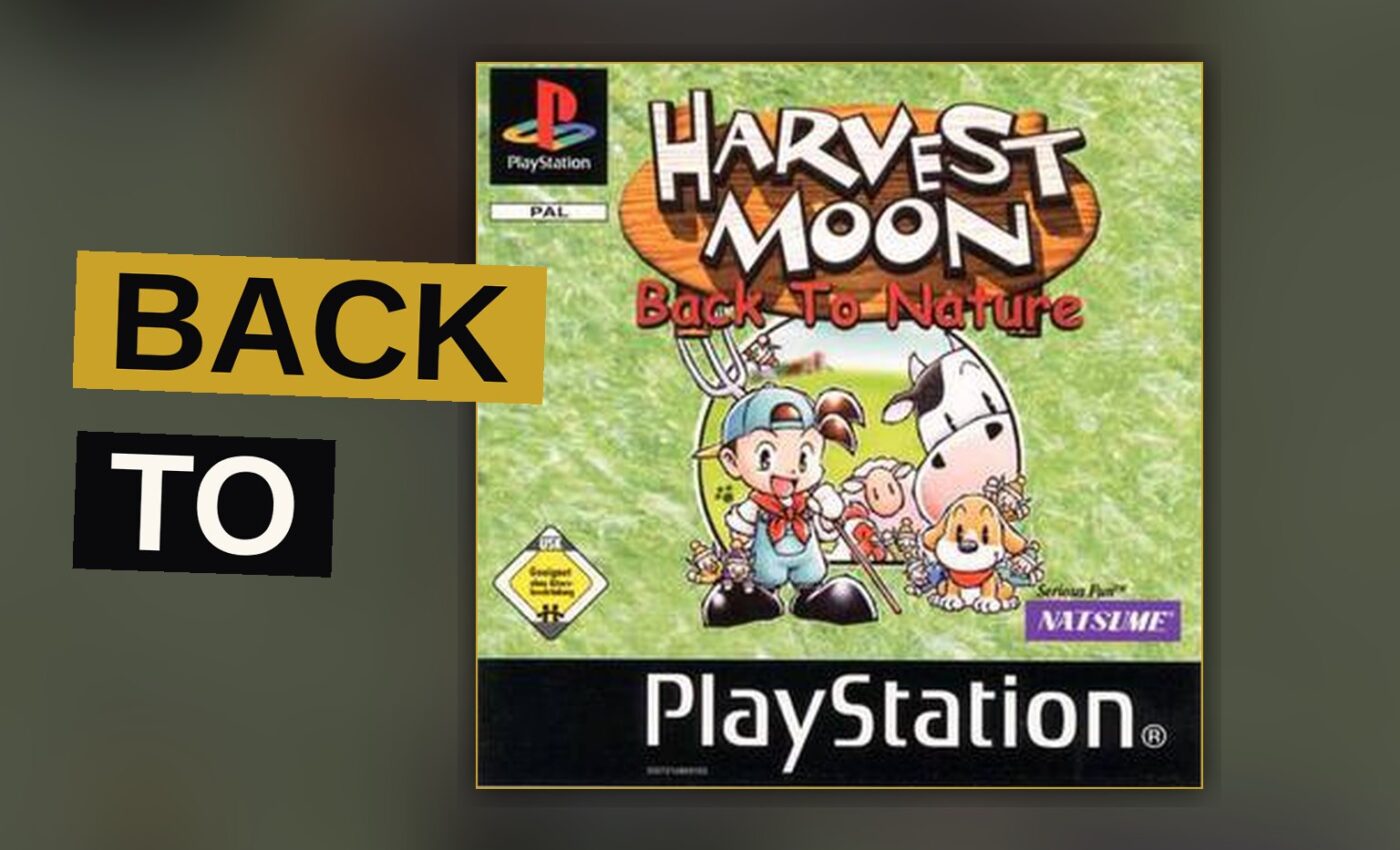
Harvest Moon: Back to Nature asks players to stop and look around. The game trades frantic action for calm, steady rhythm, and that trade defines everything about it. Players manage a farm, raise animals, grow crops, and build relationships over the course of a year. There is no rush, no boss to beat, no final level. Instead, the game asks players to watch the seasons turn and see what grows from small effort, day after day.
The result is a quiet, deeply satisfying experience that rewards patience over haste. It is not the most ambitious game in the series, but it is one of the most welcoming.
A Year on the Farm
Harvest Moon: Back to Nature runs on a simple clock. Each season lasts several days, and the year moves from spring through winter before starting again. Players wake up each morning, check the weather, and decide what to do. They can water crops, feed animals, fish, talk to neighbors, or visit the town to buy supplies and socialize.
The pacing is deliberate. Nothing happens quickly, and the game does not try to hide that. Instead, it leans into the repetition, letting players settle into a routine that feels natural rather than forced. Each day brings small changes, and tracking those changes becomes its own kind of pleasure.
Crops, Animals, and Daily Work
The farming systems are straightforward but effective. Players plant seeds in fields, water them, and harvest the results. Different crops grow at different times, so managing the calendar becomes part of the strategy. Players also keep animals, feeding them and collecting milk, eggs, and wool.
Each animal type has its own needs. Cows need water and grass. Sheep need pasture. Pigs need food and care. The systems are not complex, but they require attention, and neglecting an animal for too long punishes the player with illness or death. This simple feedback loop teaches players to stay organized without ever feeling harsh.
“The game asks players to stop and look around.”
Relationships and Social Interactions
Beyond the farm work, Harvest Moon: Back to Nature offers a small cast of characters who live in the nearby village. Players can talk to them, give gifts, and slowly build friendships. These connections matter because they influence the story and open new content. A villager who likes the player might offer a favor or a gift, while a neighbor who dislikes the player could make life harder.
The social systems are simple compared to later games in the series, but they still carry weight. Players feel the effects of their actions, even if the consequences are mild. A friendly word or a small gift can change a conversation for the better, while ignoring someone can lead to a cold shoulder.
The Town and Its People
The village is small but full of life. Players walk between houses, shops, and the town square, talking to everyone they meet. Each resident has a personality, a daily routine, and a set of opinions about the player’s farm. Some are friendly. Others are jealous. Some are curious. The variety keeps the town from feeling dull.
The town also serves as a hub for resources. Players buy tools, seeds, and other supplies there, and the shopkeepers react to the player’s progress. A shop owner who sees a successful farm might offer better deals or new items, while a shop that sees a struggling farm might refuse to sell anything at all. This system adds a layer of personal stakes to the shopping process.
Music, Sound, and Atmosphere
The music is gentle and unobtrusive, fitting the game’s pace. It does not demand attention, but it sets the tone for the world. The sound design is similarly low-key, with soft animal noises, rustling leaves, and distant town chatter. Together, the audio creates a peaceful atmosphere that matches the visual style.
The presentation is bright and cheerful, with simple character models and a limited color palette. The graphics are not demanding, but they are clear and easy to read. Players can tell at a glance what is happening on the screen, which matters when checking crop health or animal status. The visuals never distract from the gameplay, and they support the game’s quiet charm.
What Works Well
The core loop is strong. Watering crops, feeding animals, and tending to daily tasks gives players a sense of purpose that few other games offer. The game also rewards planning. Players who save money, invest in better tools, and diversify their farm see real benefits over time.
The social systems add depth. Giving gifts and spending time with villagers builds bonds that pay off later. Players who ignore these relationships miss out on storylines and content that open up as the game progresses. The game’s focus on relationships makes it feel less like a chore and more like a lived-in world.
What Falls Short
The game is not without its flaws. Some players find the slow pace frustrating, and the lack of a real challenge can make long stretches feel repetitive. The difficulty curve is gentle, which means the game rarely tests players in a meaningful way. There is no sense of urgency beyond the calendar, and some players may lose interest before the year ends.
The game also relies heavily on repetition. Players water crops, feed animals, and repeat those tasks day after day. While this fits the genre’s philosophy, it can become tedious for players who want more variation. The game’s strength is also its weakness, since the simplicity that makes it relaxing can also make it dull.
Comparison to Other Games in the Series
| Feature | Harvest Moon: Back to Nature | Later Harvest Moon Titles |
|---|---|---|
| Pacing | Slow, deliberate | Faster, with more events |
| Difficulty | Gentle | Higher, with real challenges |
| Social Systems | Simple | More complex, with deeper relationships |
| Story Progression | Calendar-driven | Event-driven |
The table shows how the game fits within the series. It shares the same basic systems but presents them in a more relaxed form. Players who enjoyed earlier Harvest Moon games will recognize the structure while finding the pace more forgiving. The game’s approach to pacing and difficulty is distinct from the later entries, which lean more toward structured events and higher challenges.
Final Score
Harvest Moon: Back to Nature succeeds because it commits fully to its own design. It does not try to be fast or difficult. It simply asks players to tend to a farm, day after day, and watch what grows from their efforts. The game is best enjoyed at a comfortable pace, with no hurry and no need to rush.
It is not the most ambitious game in the series, but it is one of the most welcoming. Players who take the time to enjoy it will find a rewarding experience built on small, steady pleasures.