Super Star Wars: Return of the Jedi landed on the Super Nintendo Entertainment System in 1994, and it arrived carrying a promise the box did not have to work hard to sell. Sculptured Software had already turned the first two films of the original trilogy into side-scrolling platformers, and the third was the one everybody wanted: the rescue, the forest moon, the throne room, the second Death Star.
It mostly delivers. It is also, in places, a game that mistakes difficulty for design. That tension runs through the whole thing, and it is why this one sits a notch below its own best ideas.
Luke Skywalker, Leia Organa, Han Solo, Chewbacca and Wicket
The hook is the roster. Before a single shot is fired you pick your Rebel warrior from five: Luke Skywalker, Leia Organa, Han Solo, Chewbacca or Wicket the Ewok. That is a real choice, not a cosmetic one, and it gives a 16-bit platformer a reason to be replayed that most of its peers never bothered to build.
You then relive the action of the movie. The game walks you through the beats you remember: rescue Han from Jabba the Hutt, destroy the power generator on the forest moon of Endor, challenge Darth Vader and the evil Emperor, and lead the Rebel assault fleet in the final battle to destroy the new Death Star.
That is a lot of film to fit on a cartridge, and the structure shows the strain. But the ambition is the point. This is not a game that picks one set piece and stretches it thin.
Sculptured Software and the 16-bit Platform
Sculptured Software developed it. THQ, JVC and Playtronic published it, and it reached the Super Nintendo Entertainment System, the Super Famicom, the Wii and the Sega Game Gear. The spread tells you what kind of product this was: a licensed tentpole pushed onto every shelf the company could reach.
The core is a side-view, third-person platformer with arcade blood in it. You run, you jump, you shoot, and the game asks you to do all three under pressure. The genres listed for it are platform and arcade, and the themes are action and science fiction, which is a dry way of saying the whole thing is built to feel like the movie’s biggest moments compressed into a controller.
Single player only. No co-op, no second player picking up a second controller. For a game about a Rebel alliance, that is a strange absence, and it is the first place the package feels smaller than its subject.
The Forest Moon of Endor
The Endor stretch is where the game’s ideas and its execution line up best. Destroy the power generator on the forest moon of Endor is a clean objective, and it maps onto a platformer almost perfectly: a target, a route, and a forest full of things trying to stop you.
It is also where the roster pays off. Wicket the Ewok is not a joke pick. Choosing a small, fast character for a level built around cover and movement is a decision the game lets you make and then rewards.
The same cannot be said for every stage. The game leans on the arcade half of its own description, and that means spikes in difficulty that feel less like a test and more like a toll.
The Force will be with you as you struggle to defeat the Empire once and for all!
Darth Vader and the Emperor
The throne room is the game’s headline. Challenge Darth Vader and the evil Emperor is the sentence the box puts near the end of its pitch, and it is the right instinct. Those two are the reason the film works, and the game knows it.
What the game does with them is the standard boss-fight contract: learn the pattern, survive the pattern, punish the pattern. It is competent. It is not surprising. For a confrontation this loaded, competence is a slight letdown.
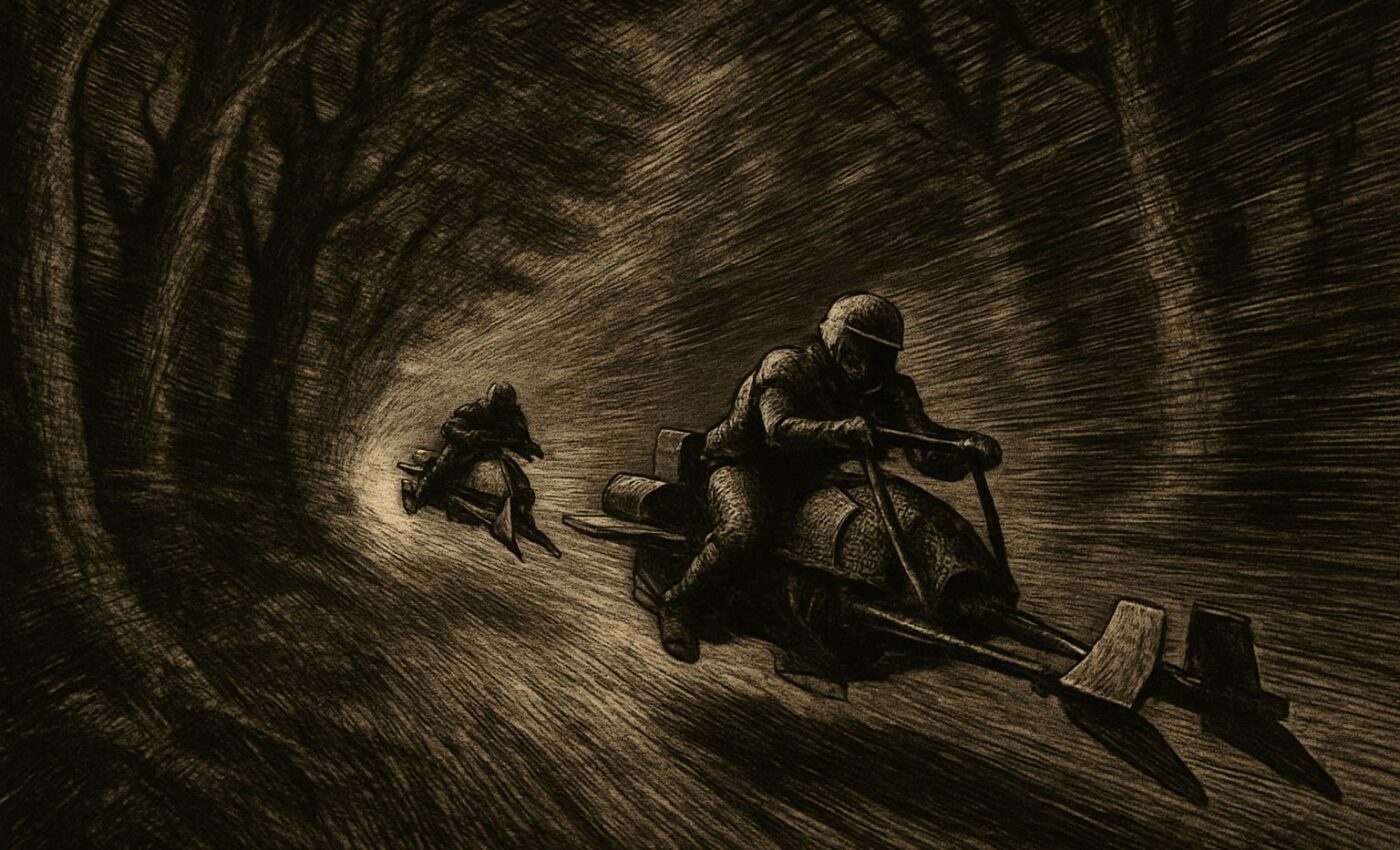
The final battle to destroy the new Death Star closes things out, and it closes them loudly. The assault fleet sequence is the game’s biggest swing, and it is the moment where the arcade DNA is most visible and most welcome.
A Note on the Shape of the Campaign
Here is the running order the game follows, and the way it stacks its set pieces:
| Stage | Objective | Source |
|---|---|---|
| 1 | Rescue Han from Jabba the Hutt | Return of the Jedi |
| 2 | Destroy the power generator on the forest moon of Endor | Return of the Jedi |
| 3 | Challenge Darth Vader and the evil Emperor | Return of the Jedi |
| 4 | Lead the Rebel assault fleet in the final battle to destroy the new Death Star | Return of the Jedi |
Four pillars, four films’ worth of memory in each. It is a clean spine, and it is the reason the game holds together at all.
What the 7.5 Actually Means
The published critical score for Super Star Wars: Return of the Jedi is 7.5/10 on IMDb, and that number is honest. This is a good game with a clear ceiling, and the ceiling is not the license.
What holds it back is the difficulty curve. The game wants to be an arcade machine and a home console epic at the same time, and those two ambitions pull in opposite directions. Arcade design wants you to fail so you feed it more coins. Console design wants you to finish so you feel you got your money’s worth. Return of the Jedi splits the difference, and the seam shows.
What pushes it up is the roster and the structure. Five playable Rebel warriors is a genuine feature, not a bullet point. The campaign’s four-part spine gives the whole thing momentum, and the assault fleet finale is the kind of closer that sends you back to the title screen rather than to the trade-in bin.
The best argument for the game is the one the box makes: all the adventure and excitement of the 16-bit game. That is marketing, but it is also accurate. This is what 16-bit licensed platforming looked like when a studio took the assignment seriously.
The Verdict on Super Star Wars: Return of the Jedi
Super Star Wars: Return of the Jedi is a 7.5/10. It earns that score on the strength of its character selection, its four-part campaign structure, and a finale that understands scale. It loses the rest of the way on difficulty that punishes more than it teaches and a boss design that plays it safe with the two most interesting villains in the source material.
The roster is the part worth remembering. Letting a player choose Leia Organa or Wicket the Ewok instead of defaulting to Luke Skywalker was a small decision with a long tail, and it is the reason this one still gets talked about while other tie-ins from the era do not.
It is not the best game on the Super Nintendo Entertainment System. It is not even the best of the three Super Star Wars titles, if you weigh them by consistency. But it is the one with the biggest swing in it, and a big swing that lands two out of three times is worth more than a safe bunt.
Play it for the forest moon. Play it for the throne room. Play it for the assault fleet. Just know that the game will make you earn every one of those moments, and it will not always be fair about how.
Get the Notebook.
The day's best stories and every fresh verdict, in plain English, in your inbox by seven. One email a day, no more.