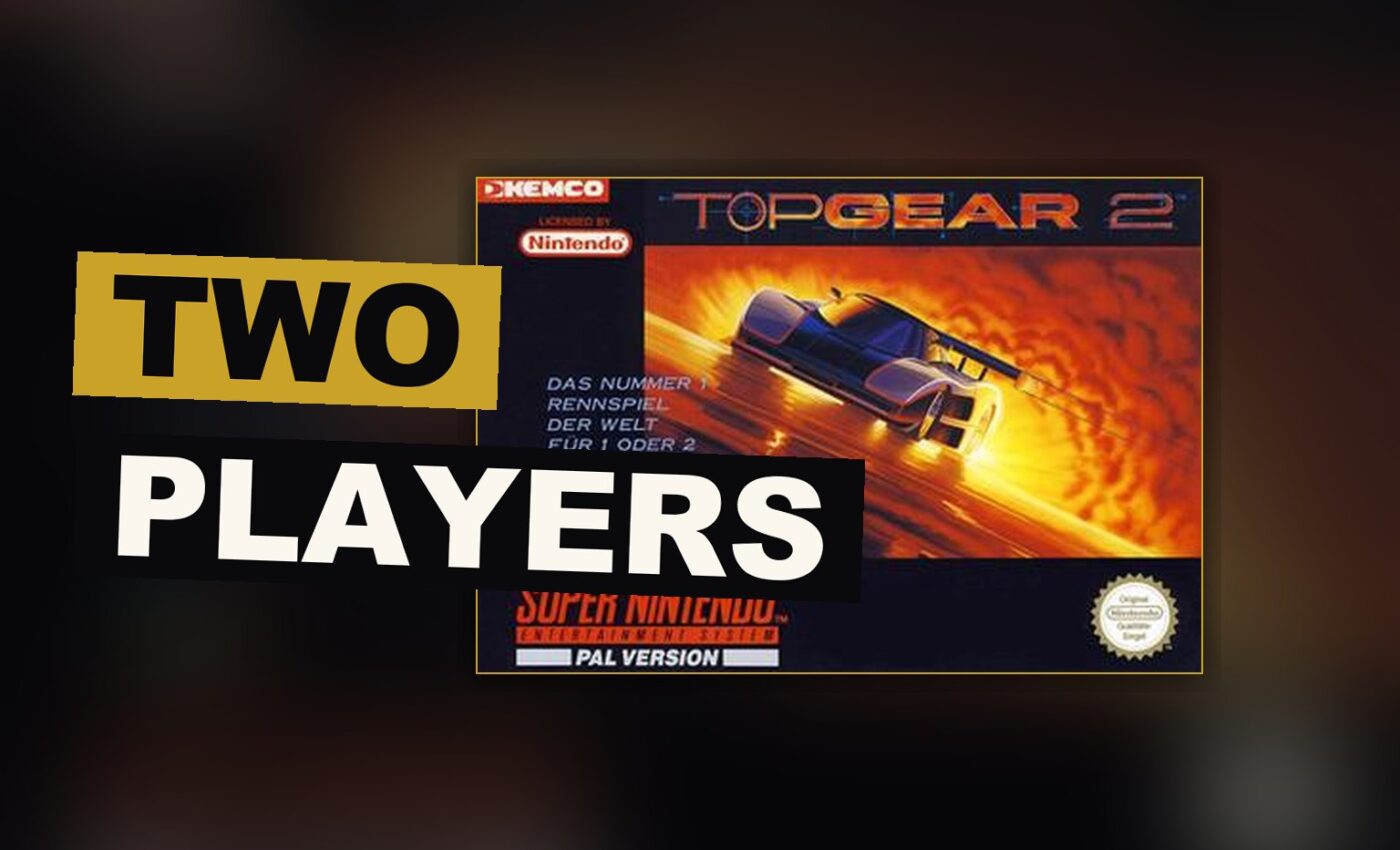
Top Gear 2 puts players back behind the wheel for a straight shot of racing, and the game still holds up. Built for the Super Nintendo system, a console built for fast, simple play, it trades story for pace, offering many cars and courses built for quick, repeated runs. It does not try to be more than a racing game, and that plain approach is part of its appeal.
The Clock Sets the Pace
The core idea is familiar to anyone who played the first Top Gear. Players pick a car, pick a track, and race against the clock and against other drivers on the road. Top Gear 2 keeps this idea whole, with tight control and a strong feeling of pace rather than new ideas layered on top.
The tracks span many regions, giving each road its own look and feel. Turns arrive fast, and the game asks for quick reaction rather than careful planning. That pace is the whole point of the game.
Cars in Top Gear 2 handle with care. They turn quickly, and mistakes at high pace bring a quick cost, sending players off the road or into the scenery around it. This difficulty keeps races full of feeling even after many tries.
The feeling of forward push carries the game. Long straight roads feel fast, turns feel dangerous, and the balance between the two is where Top Gear 2 does best.
“Top Gear 2 keeps the intense pace of the original.”
More Roads, More Machines
Top Gear 2 lets two players race side by side on one screen, a feature carried over from the first game rather than a new one. What sets this sequel apart is the greater number of cars and tracks on offer, giving players far more choices before each run than the original allowed.
None of these additions turn the game into something wholly new. They add more of what was already there, and that addition is welcome on its own terms. More cars mean more ways to approach each track, and more tracks mean the repetition that can set in with a smaller roster takes longer to arrive.
Top Gear 2 does not move far from what came before it, and some players may see this as holding the game back rather than pushing it forward. The wider roster helps, but racing alone still follows the same shape set by the first game. The feeling that races repeat themselves can set in over long play, mainly once players have seen most of the tracks on offer.
Sound and picture quality do their job without pushing the console toward anything new. This is a simple fact about the hardware of the time, not a mark against the game. Nothing here will surprise players who know the first Top Gear well, though nothing about it falls short of what a racing game on this console should offer, and that alone counts for something.
Adding Up the Distance Covered
Top Gear 2 is a strong racing game that builds on the first mainly through its larger set of cars and courses. It does not remake the racing game as a whole, and it does not need to. Those who liked the first Top Gear will find familiar thrills here, given more room by the added variety.
For players new to the series, Top Gear 2 offers an easy way into fast, plain racing. It rewards quick hands and repeated play, and the wider selection of cars and tracks gives it a longer life than a single afternoon of play would suggest on its own.
Key Facts
– Platform: Super Nintendo system
– Genre: Racing
– Critical score: 7.3/10
Top Gear 2 earns its place as a strong second game in the series. It keeps what worked before, adds a wider set of cars and courses worth trying, and delivers pace without needless weight added on top. The score stands at 7.3 out of 10.