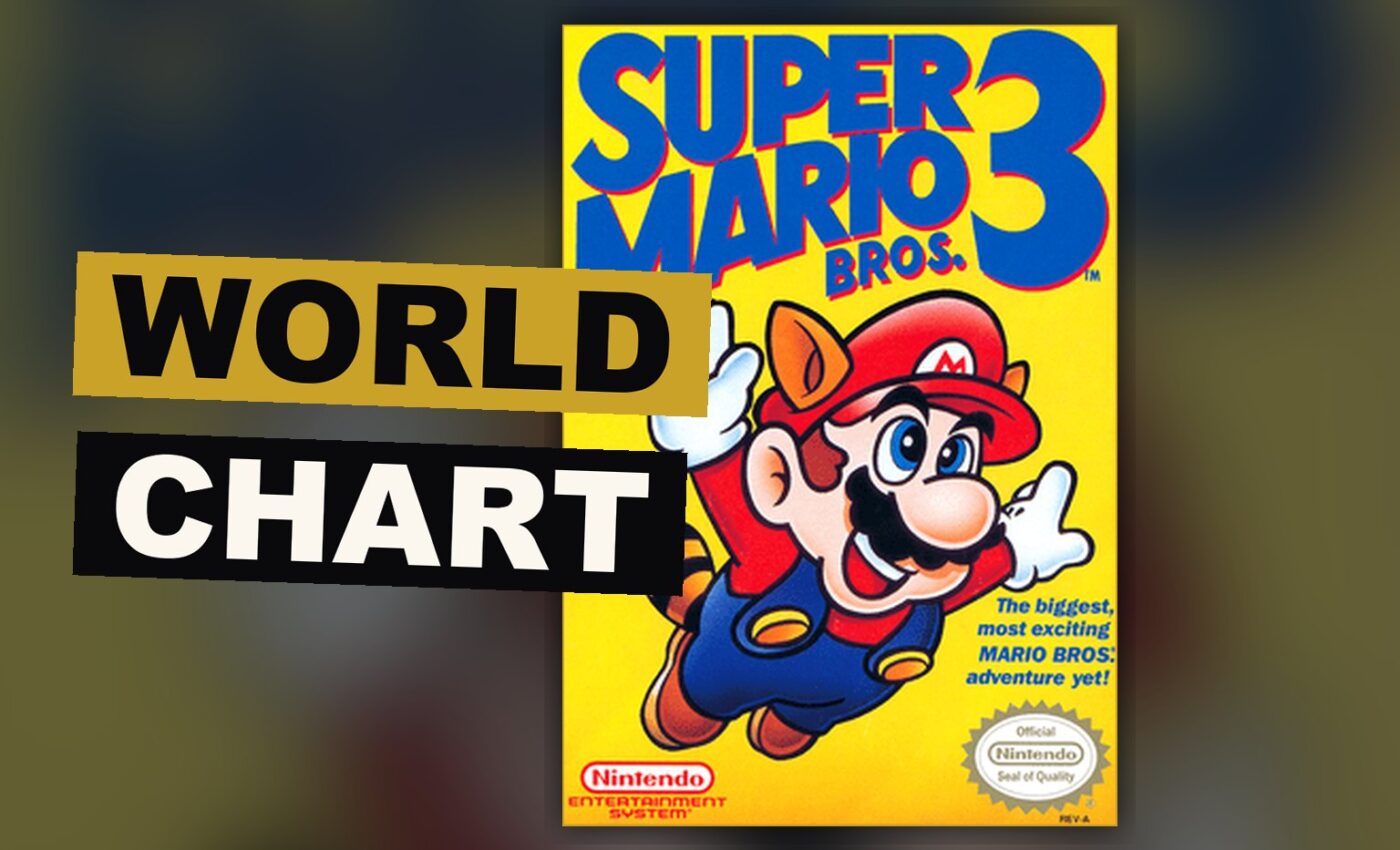
Super Mario Bros. 3 lands on the NES as one of the strongest platformers built for the console. It takes the formula from the first two games and builds on it, adding a world chart, new suits, and a level of polish that still holds up.
A Larger World
The game moves away from a straight line of levels and gives players a chart to move through. Each of the eight worlds has its own look, its own enemies, and its own tricks. Players can move ahead to later worlds, search for secret paths, and use special items to move faster through the chart.
That freedom changes how the game feels to play. It is no longer just about reaching the flag. It is about finding what a world holds.
New Suits and Level Design
The suits are the biggest addition, and they change the pace of nearly every level.
- One suit grants flight and a tail attack.
- Another suit makes swimming levels much simpler to handle.
- A third suit lets Mario turn to stone and avoid danger.
- The last suit gives Mario a distant attack and keeps him safe from fire.
Each suit opens new paths through familiar levels, and finding one often feels like its own reward. The level design shows real care. Water levels, sky levels, and castle levels all play by different rules, and the game never lets one trick last too long.
- Early worlds teach simple moves without ever feeling like a lesson.
- Middle worlds mix enemy types and add real testing of skill.
- Late worlds test everything the player has learned, including suit use and timing.
The pace across those stages is one of the game’s strongest points. Nothing lasts too long.
The seven guardians, one at the end of each of the first seven worlds, each demand a different plan. Some fights are about timing a spring into the air. Others ask for a suit ability used at the right second. Bowser waits at the end, and the fight against him carries real weight after so much has come before.
The graphics push the NES hardware about as far as it will go. The scenery changes with each world’s mood, and enemy figures are different enough that repeat feelings rarely set in. The music matches that same variety of moods, with themes that change in tone from world to world while keeping a clear identity across the whole game.
The game is not without small rough spots. Some castle levels can feel long next to the ones around them, and a few enemy movements ask for patience more than skill. None of this does much to weigh down the whole experience.
Super Mario Bros. 3 is a high point for the NES and for platform games as a whole. The suits, the world chart, and the level design work together in a way few games from this time manage. It earns its place as one of the best games on the system.